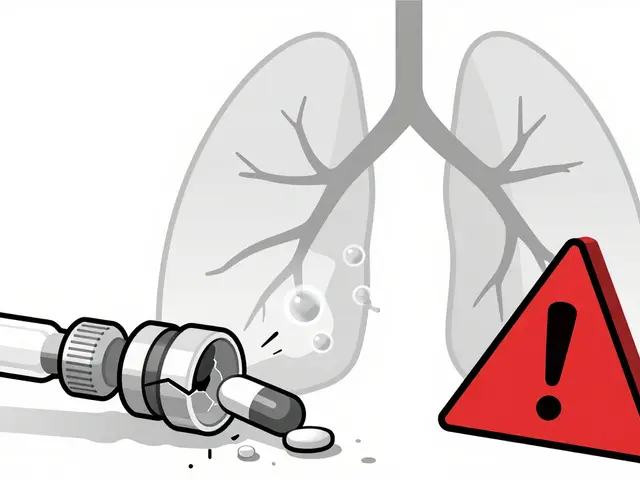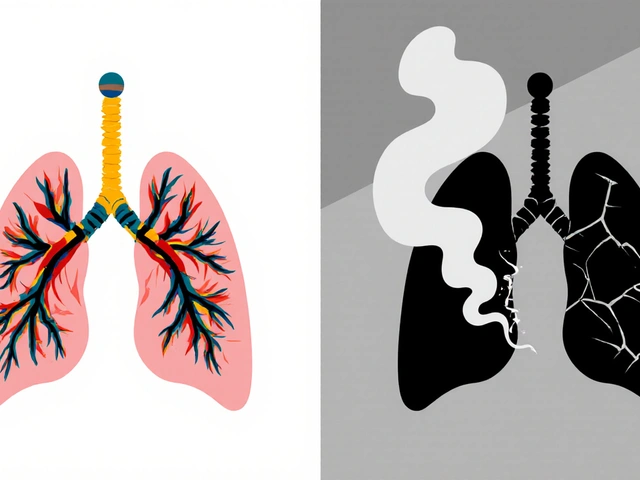
Imagine waking up after surgery. In the past, that meant a steady drip of strong opioids to keep the pain at bay. Today, the approach is radically different. It’s not about drowning out pain with one heavy hitter; it’s about hitting the pain from multiple angles using a team of medications and techniques. This shift toward Multimodal Analgesia is a strategy using additive or synergistic combinations of analgesics to achieve clinically required analgesia while minimizing significant side effects associated with higher doses of a single equianalgesic medication such as an opioid analgesic has become the gold standard in modern medicine. It saves patients from nausea, confusion, and addiction risks while actually helping them heal faster.
The Core Philosophy: Why One Drug Isn't Enough
Pain isn’t a single switch you flip on or off. It’s a complex network of signals traveling through your nerves, processed by your brain, and amplified by inflammation. Traditional pain management relied heavily on opioids like morphine or hydromorphone. While effective, they come with a heavy price tag: constipation, sedation, respiratory depression, and the risk of dependency.
Multimodal analgesia changes the game by targeting these different pathways simultaneously. Think of it like a security system. Instead of relying on one alarm, you have cameras, motion sensors, and guards. If one fails, the others hold the line. In medical terms, this means combining:
- Acetaminophen (Paracetamol): Works centrally to raise the pain threshold.
- NSAIDs (like Celecoxib or Naproxen): Reduce inflammation at the surgical site.
- Gabapentinoids (like Gabapentin): Calm overactive nerve signals.
- Regional Anesthesia: Blocks pain signals from specific body parts before they reach the brain.
This synergy allows doctors to use much lower doses of each drug. The result? You feel better, with fewer side effects, and you’re ready to move around sooner.
Key Components of a Multimodal Protocol
Successful multimodal strategies aren’t random. They follow structured protocols often integrated into Enhanced Recovery After Surgery (ERAS) pathways. Here are the pillars most hospitals rely on today.
1. Preoperative Preparation
The clock starts ticking before you even enter the operating room. Pre-emptive analgesia aims to stop pain signals before they start. A common protocol, such as the one used at Rush University Medical Center for spine surgery, includes administering acetaminophen 1000mg orally, gabapentin 300-600mg, and celecoxib 400mg before the incision. This primes your body to handle the trauma of surgery with less distress.
2. Intraoperative Adjuncts
While you’re asleep, anesthesiologists may add non-opioid agents to maintain comfort. Ketamine (0.5mg/kg IV bolus) and lidocaine infusions are popular choices. Lidocaine, given as a 1.5mg/kg bolus followed by a 2mg/kg/hr infusion, helps reduce systemic inflammation and nerve sensitization. Dexmedetomidine is another option, providing sedation without suppressing breathing, which is crucial for a smooth recovery.
3. Postoperative Maintenance
Once you wake up, the goal is scheduled, around-the-clock dosing rather than waiting for pain to spike. Patients might receive acetaminophen every 6 hours, celecoxib twice daily, and gabapentin three times daily. Opioids are reserved strictly for breakthrough pain-those sudden spikes that slip through the net. For example, if pain flares up, a small dose of morphine (1-2mg IV) or hydromorphone (0.2-0.4mg IV) might be given every 15 minutes as needed, but only when necessary.
| Feature | Traditional Opioid-Centric | Multimodal Analgesia (MMA) |
|---|---|---|
| Opioid Consumption | High (Baseline) | Reduced by 32-57% |
| Nausea & Vomiting (PONV) | Common | 28% Lower Incidence |
| Hospital Stay | Longer | Shorter (e.g., 1.8 days reduction in trauma cases) |
| Pain Control Quality | Effective but side-effect heavy | Equivalent or Better with fewer side effects |
| Coordination Required | Low (Single drug focus) | High (Team-based approach) |

Who Benefits Most? Tailoring the Approach
Multimodal analgesia isn’t a one-size-fits-all solution, but it works exceptionally well for procedures with predictable pain patterns. Orthopedic surgeries, such as total joint arthroplasty (hip or knee replacements), and spine surgeries see the biggest wins. In major musculoskeletal surgery, MMA can reduce opioid requirements by 50-60%. Even for minor surgeries like arthroscopy, you still see a 30-40% drop in opioid needs.
However, some patients need extra attention. High-risk groups include those who are opioid-dependent, have chronic pain conditions, or have a history of severe postoperative pain. For these individuals, guidelines from the Compass SHARP program recommend adding stronger adjuncts. This might include a ketamine infusion (0.1-0.3 mg/kg/hr for 24-48 hours) or a dexmedetomidine infusion. These agents help manage tolerance and prevent withdrawal symptoms without resorting to massive opioid doses.
Safety First: Renal and Hepatic Considerations
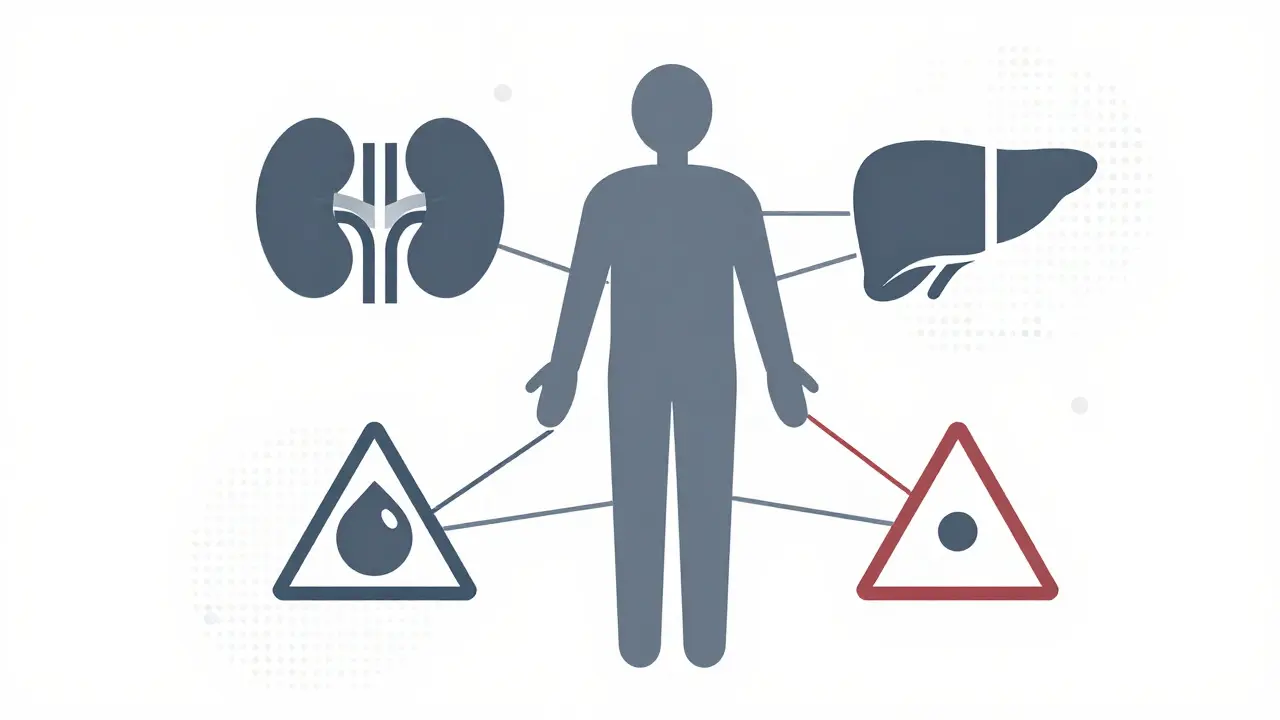
More drugs don’t always mean better care if your body can’t process them. Kidney and liver function are critical checkpoints. Gabapentin, for instance, is cleared by the kidneys. If a patient’s estimated glomerular filtration rate (eGFR) is below 30 mL/min, the dose must be drastically reduced to 200mg once daily to avoid toxicity. Similarly, NSAIDs like naproxen are contraindicated in patients with poor kidney function because they can further damage renal tissue.
This is why preoperative evaluation is so vital. Doctors assess your medical history, allergies, weight, and organ function before choosing your cocktail. As the American Society of Anesthesiologists notes, individualized care is non-negotiable. What works for a healthy 30-year-old getting a knee scope might be dangerous for a 75-year-old with mild kidney disease.
Implementation Challenges and Teamwork
Switching to multimodal analgesia requires more than just changing prescriptions. It demands coordination. You need pain management doctors, anesthesiologists, pharmacists, PACU nurses, and recovery nurses all on the same page. At McGovern Medical School, they implemented a specific order set called the "Trauma Acute Pain Management Multiphase MPP" to streamline this process. This ensures the right meds are ordered in the ED and continued through discharge.
One hurdle is regional anesthesia. Not all facilities have the ultrasound equipment or specialist time to perform nerve blocks. The Compass SHARP Guidelines advise discussing block plans with orthopedic surgeons early on. If a block is planned, timing matters. Getting it done too late reduces its effectiveness. Additionally, patient education is key. Patients need to understand that feeling *some* discomfort is normal and that taking scheduled non-opioid meds prevents pain from becoming unmanageable.
The Future of Pain Management
The trend is clear. By 2025, projections suggest 85% of major surgical procedures will incorporate formal MMA protocols. We’re moving toward "opioid-free surgery" requests, where patients explicitly ask to avoid opioids due to fear of addiction or side effects. Emerging trends include continuous wound infusions with amide anesthetics and extended use of gabapentinoids upon discharge to prevent acute pain from turning into chronic pain.
Dr. Edward R. Mariano from Stanford University, lead author of the multi-society consensus statement, emphasized that these seven guiding principles reset the bar for perioperative care. The goal isn’t just to survive surgery; it’s to thrive after it. With fewer side effects, patients walk sooner, eat sooner, and go home sooner. That’s the real victory of multimodal analgesia.
What is multimodal analgesia?
Multimodal analgesia is a pain management strategy that uses a combination of different types of medications and techniques to target pain from multiple angles. This approach aims to provide effective pain relief while minimizing the side effects associated with high doses of a single drug, particularly opioids.
How much can multimodal analgesia reduce opioid use?
Studies show that multimodal analgesia protocols can reduce total opioid consumption by 32-57% compared to traditional opioid-centric approaches. In major musculoskeletal surgeries, opioid requirements can drop by 50-60%, significantly lowering the risk of addiction and side effects.
Is multimodal analgesia safe for everyone?
Generally, yes, but it requires careful individualization. Patients with kidney or liver issues need adjusted doses. For example, gabapentin doses must be lowered for those with low eGFR, and NSAIDs should be avoided in patients with poor renal function. Always consult your doctor about your specific health conditions.
What medications are commonly used in multimodal pain management?
Common medications include acetaminophen (for central pain relief), NSAIDs like celecoxib or naproxen (for inflammation), gabapentinoids like gabapentin (for nerve pain), and sometimes ketamine or lidocaine infusions during surgery. Regional anesthesia techniques are also frequently combined with these drugs.
Why is preoperative medication important in this strategy?
Preoperative medication, known as pre-emptive analgesia, helps block pain signals before they start. Taking meds like acetaminophen and gabapentin before surgery can reduce the overall pain burden postoperatively, making it easier to control pain with lower doses of stronger medications later.
Does multimodal analgesia work for all types of surgery?
It is most effective for procedures with predictable pain patterns, such as orthopedic and spine surgeries. However, principles can be adapted for other surgeries. Complex cases with multiple pain generators may require more tailored approaches, including regional anesthesia and specialized infusions.
What are the benefits beyond pain relief?
Beyond reducing pain, multimodal analgesia decreases side effects like nausea and vomiting, reduces hospital length of stay, increases same-day discharge rates, and lowers the risk of chronic pain and opioid dependence. It promotes faster physical recovery and mobility.

![Buy Generic Lexapro (Escitalopram) Online Cheap-Safe UK Options, Prices, and Checks [2025]](/uploads/2025/09/thumbnail-buy-generic-lexapro-escitalopram-online-cheap-safe-uk-options-prices-and-checks.webp)