

For millions of people with seasonal allergies, the idea of giving up allergy shots sounds like a dream. No more weekly trips to the doctor. No more needles. Just a small tablet placed under the tongue. That’s the promise of sublingual immunotherapy (SLIT) tablets. But are they right for you? And do they actually work as well as the shots? Let’s cut through the noise and look at who these tablets help, how they work, and what you can realistically expect.
How SLIT Tablets Actually Work
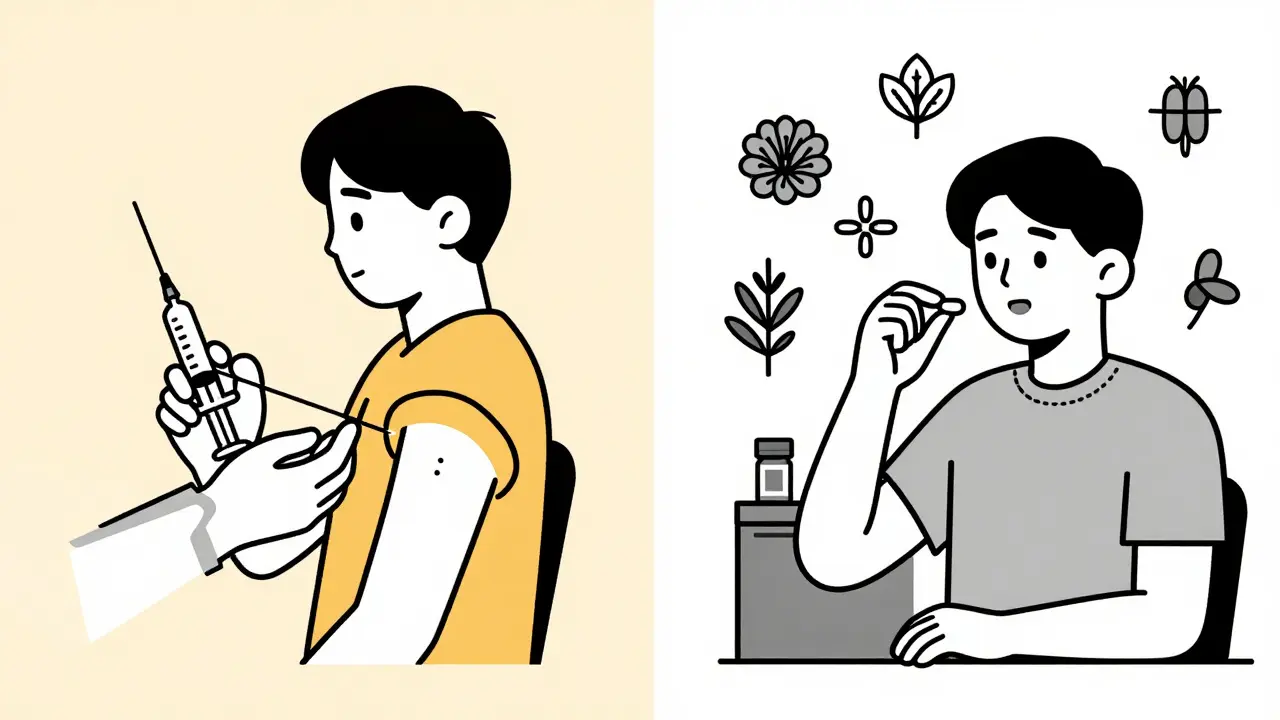
SLIT tablets don’t mask symptoms like antihistamines do. They retrain your immune system. The tablet contains tiny, purified amounts of the allergen you’re sensitive to-like grass pollen, ragweed, or dust mite proteins. When you hold it under your tongue for one to two minutes, the allergen is absorbed through the mucous membrane. Special immune cells called Langerhans’ cells grab the allergen and carry it to nearby lymph nodes. There, they start teaching your body to stop overreacting.
This process triggers a shift in your immune response. Instead of producing IgE antibodies that cause sneezing and itchy eyes, your body begins making regulatory T cells. These cells release calming chemicals like IL-10 and TGF-β, which quiet down the allergic reaction. It’s not magic-it’s immunology. And it takes time. You won’t feel better overnight. Most people start noticing improvements after 6 to 12 months of daily use.
Who Is a Good Candidate for SLIT Tablets?
Not everyone with allergies can use SLIT tablets. The FDA has only approved them for three specific allergens: grass pollen, ragweed, and dust mites. If you’re allergic to cats, mold, or multiple pollens, you’re out of luck-for now.
Good candidates typically have:
- Moderate to severe allergic rhinitis (hay fever) confirmed by skin prick or blood tests
- Sensitivity to just one or two of the approved allergens
- No history of severe, uncontrolled asthma
- No eosinophilic esophagitis or oral anatomy issues that make holding the tablet under the tongue difficult
People who struggle with needle phobia, have busy schedules, or hate the idea of frequent doctor visits often find SLIT tablets easier to stick with. A 2022 study showed 68% of SLIT users stayed on treatment after one year, compared to just 52% for allergy shots. Convenience matters.
But if you’re allergic to five different things, or need fast relief before a big outdoor event, SLIT tablets aren’t the answer. They’re a long-term solution, not a quick fix.
How Effective Are SLIT Tablets?
Let’s talk numbers. Studies show SLIT tablets reduce allergy symptoms by 30% to 50% compared to placebo. That’s meaningful-enough to cut down on antihistamines, nasal sprays, and missed workdays. But it’s not as strong as allergy shots, which typically reduce symptoms by 40% to 60% for the same allergens.
That gap matters. If you’ve tried everything else and still suffer through spring, SLIT tablets can be life-changing. But if you’ve had bad reactions to shots in the past, or need maximum symptom control, you might be disappointed. The European Academy of Allergy and Clinical Immunology gives SLIT a top-grade recommendation for grass pollen allergy-based on over 30 clinical trials. For dust mites? Only a B grade. Results are more mixed.
Real-world data backs this up. On Healthgrades, SLIT tablets average 4.2 out of 5 stars. The top reason people love them? “No shots.” But some users report waiting too long to see results. About 32% expected improvement within a few weeks. They didn’t get it. Patience is required.
Side Effects and Safety
SLIT tablets are far safer than allergy shots. There have been no reported deaths from SLIT. In contrast, between 1990 and 2004, 20 to 40 deaths were linked to allergy shots, mostly from anaphylaxis.
Most side effects from SLIT are mild and local: itching or swelling under the tongue, mild throat irritation, or an upset stomach. These usually fade within a few weeks as your body adjusts. Less than 1 in 1,000 doses causes a serious reaction. That’s why the FDA requires your first dose to be given in a doctor’s office, with observation for 30 minutes.
There’s a black box warning on all SLIT tablets for the risk of anaphylaxis. It’s rare, but real. If you’ve ever had a severe allergic reaction to food or insect stings, talk to your allergist before starting. You’re not automatically disqualified-but you need extra caution.
How to Take SLIT Tablets Correctly
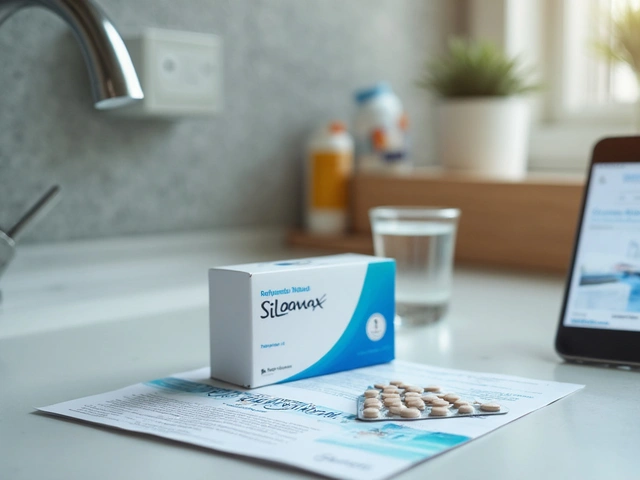
Getting the most out of SLIT isn’t just about taking the pill. Technique matters. You must hold the tablet under your tongue for a full one to two minutes. Don’t swallow it right away. Don’t chew it. Don’t drink water or eat anything for five minutes after.
Why? Because if the allergen doesn’t stay in contact with the mucous membrane long enough, your body absorbs less of it. One 2018 study found improper use cut absorption by up to 40%. That could mean less effectiveness.
Most people get the hang of it after one supervised dose. Manufacturers offer video guides. Apps like Grastek’s adherence tracker help remind you to take your tablet daily. Consistency is key. Miss a few days? You’re fine. But if you skip weeks, you reset the clock.

Cost and Insurance: The Hidden Hurdle
SLIT tablets are expensive. Out-of-pocket, they cost $85 to $120 per month per allergen. That’s $1,000 to $1,400 a year. Compare that to allergy shots, which cost $800 to $1,200 annually when you factor in office visits.
Insurance coverage is a mess. Medicare covers 80% of approved SLIT tablets. But many private insurers won’t pay unless you’ve tried and failed at least two types of allergy meds first. That’s called step therapy. It’s frustrating. Some patients stop treatment because their insurance won’t cover it.
GoodRx and manufacturer patient assistance programs can help lower costs. Some companies offer copay cards that reduce monthly payments to $0 for eligible patients. But you need to ask. Don’t assume you’re covered.
What’s Next for SLIT Tablets?
The future looks promising. In 2023, the FDA approved Pollenguard, a new grass pollen tablet, joining Grastek, Ragwitek, and Odactra. That’s four options now. More are coming.
Trials for a peanut SLIT tablet showed 67% of kids could tolerate 600mg of peanut protein after a year-compared to just 6% in the placebo group. That’s huge for families terrified of accidental exposure.
In Europe, a single tablet that covers grass, birch, and olive pollen is already on the market. The U.S. doesn’t have that yet. But researchers are working on it. Early studies suggest combining allergens in one tablet could improve adherence and results.
Scientists are also testing biomarkers-like IL-10 levels in the blood-to predict who will respond best. If you can tell within 8 weeks whether SLIT will work for you, you won’t waste a year on something that won’t help.
Final Thoughts: Is SLIT Right for You?
SLIT tablets are a solid option if you have a single, well-defined allergy to grass, ragweed, or dust mites. You want to avoid shots. You’re willing to take a daily pill for three to five years. And you’re prepared for the cost and the wait.
If you’re allergic to multiple things, have severe asthma, or need fast relief, SLIT isn’t your best bet. Allergy shots still offer broader coverage and stronger results. But if you’re tired of sneezing every spring and dread the needle, SLIT tablets give you a real alternative.
The bottom line? They’re not perfect. But they’re effective, safe, and convenient-for the right people.
How long do I need to take SLIT tablets before I see results?
Most people start noticing fewer allergy symptoms after 6 to 12 months of daily use. Full benefits usually take 2 to 3 years. Don’t expect immediate relief-it’s a long-term treatment designed to change your immune system, not just block symptoms.
Can I take SLIT tablets if I have asthma?
Only if your asthma is well-controlled. SLIT tablets are not approved for people with severe or uncontrolled asthma. The risk of a serious reaction is higher in these cases. Talk to your allergist to make sure your asthma is stable before starting.
Are SLIT tablets covered by insurance?
Medicare covers 80% of the cost for FDA-approved SLIT tablets. Private insurance varies widely. Many require you to try and fail other allergy medications first. Always check with your insurer before starting. Patient assistance programs from manufacturers can reduce out-of-pocket costs.
What happens if I miss a dose?
If you miss one or two days, just resume your regular dose. Don’t double up. If you miss more than a week, contact your allergist. Long breaks can reduce effectiveness. Consistency matters more than perfection.
Can I use SLIT tablets for food allergies like peanuts?
Not yet. While promising trials for peanut SLIT have shown strong results-67% of participants could tolerate 600mg of peanut protein after a year-these tablets are still in clinical trials and not FDA-approved for use in the U.S. as of 2026.
Do SLIT tablets work better than allergy shots?
For the same allergen, allergy shots typically reduce symptoms more-by 40% to 60%-compared to SLIT’s 30% to 50%. But SLIT is safer and more convenient. The choice depends on your priorities: maximum effectiveness (shots) or convenience and safety (tablets).



Juan Reibelo
January 25, 2026 AT 05:55So, I’ve been on Grastek for 14 months now-no more sneezing fits every May, no more red, itchy eyes. It’s not magic, but it’s real. I used to need three antihistamines a day. Now? I take one if I’m feeling spicy. The first month was weird-tongue itching like crazy-but now I barely notice it. Worth every penny and every minute.
Also, don’t skip doses. I missed a week last winter and felt like I was back to square one. Took another month to get back on track. Consistency > perfection.
Sharon Biggins
January 26, 2026 AT 16:04i just started this last month and im so nervous but also hopeful?? my dr said i’m a perfect candidate and i’ve been crying every time i take it because i’m so tired of being sick every spring. i dont even know if this will work but i’m willing to try. thanks for writing this, it made me feel less alone.
John McGuirk
January 26, 2026 AT 20:57They’re not trying to cure you-they’re trying to lock you in. $120/month? For a tablet that does nothing but make your tongue itch? The pharma giants made this so you can’t quit. They know you’ll stick with it because you’re desperate. And don’t get me started on the black box warning-why is that even there if it’s so safe? Coincidence? I think not.
Also, did you know the FDA approved these right after the last big allergy season? Timing’s too perfect. Wake up people.
Michael Camilleri
January 28, 2026 AT 13:20People think medicine is about fixing symptoms but it’s about control. The body isn’t broken-it’s rebelling. SLIT doesn’t fix your immune system it trains it to obey. You’re not getting better you’re being conditioned. And for what? A monthly bill and a tongue that tingles like a bad hookup?
Meanwhile the real cure is living in a bubble. Or moving to Antarctica. But no one wants to hear that. They want a pill. A cheap fix for a complex truth. You’re not allergic to pollen you’re allergic to modern life.
lorraine england
January 29, 2026 AT 10:56I’ve been on Odactra for 18 months and honestly? I’d recommend it to anyone with dust mite allergies. My kids used to wake up coughing every morning. Now they sleep through the night. It took time but it was worth it. The cost was rough at first but I got a copay card and now it’s $5 a month. Just ask your doctor. They’ll help you find a way.
Phil Maxwell
January 30, 2026 AT 09:24Been on Ragwitek since last spring. Still take Claritin on bad days. But I don’t cancel plans anymore. That’s the win. I’m not cured. But I’m functional. And that’s enough.
Shelby Marcel
January 30, 2026 AT 17:26wait so if i miss a few days do i have to start over? or just keep going? i keep forgetting because my phone dies and i dont have a reminder app. also does it matter if i drink water right after? i always do 😅
Josh McEvoy
February 1, 2026 AT 13:32MY TONGUE IS ON FIRE 😭 I THOUGHT THIS WAS SUPPOSED TO HELP?? I’VE BEEN TAKING IT FOR 3 WEEKS AND I FEEL LIKE I’M BEING POISONED. I’M CRYING EVERY MORNING. THIS IS A SCAM. I’M TELLING EVERYONE. 🚨🩸
Heather McCubbin
February 2, 2026 AT 09:47They don't want you to know the truth. SLIT isn't about allergies. It's about control. The same people who push vaccines and glyphosate are pushing this. Why? Because they want you dependent. You think you're getting better? You're just being programmed. And the cost? That's the trap. You're not paying for medicine-you're paying for silence.
Shanta Blank
February 4, 2026 AT 01:21I took SLIT for 2 years. Got zero relief. My nose still runs like a faucet. My eyes still swell. I spent $2,800 and got nothing. Meanwhile my cousin got allergy shots and now she runs marathons in May. I’m not mad-I’m just done being a lab rat for Big Pharma. Don’t waste your money. Get the shots. Or move to a desert.
Tiffany Wagner
February 5, 2026 AT 09:38My mom’s been on this for 3 years. She says it’s the first thing in years that actually made her feel like herself again. She used to hate spring. Now she gardens. I cried when she told me. It’s not perfect but it’s real. If you’re thinking about it-just start. Even if it’s slow. It’s worth it.
Chloe Hadland
February 6, 2026 AT 06:10I started this because I was scared of needles. I still am. But I didn’t realize how much I missed being outside until I stopped sneezing every time I stepped on grass. I go hiking now. I didn’t think I ever would again. It’s not glamorous. It’s not fast. But it’s mine.