
In 1961, doctors across the world noticed something terrifying. Babies were being born with missing limbs. They had conditions like phocomelia, where hands grew directly from the shoulders. Over 10,000 documented cases emerged, affecting families in 46 countries. This was not a random disease. It was the result of a drug taken by mothers seeking relief from morning sickness. The story of Thalidomidea synthetic glutamic acid derivative developed as a sedative and anti-nausea medication remains the biggest man-made medical disaster in history, yet it also taught us how to save future lives.
The Rise of Contergan
Before the tragedy, the drug was seen as safe and even miracle-like. It was created by Chemie Grünenthal GmbH in West Germany in 1954. By 1957, it hit the market under the brand name Contergan. Doctors prescribed it widely because it worked well as a sleeping pill and helped calm nausea. Unlike barbiturates, which were common sleep aids at the time, thalidomide did not cause hangovers. Women taking it could function normally the next day. Parents trusted their physicians, and physicians trusted the manufacturer.
About 1 million pregnant women took the drug globally. They swallowed pills believing they were protecting their own health and ensuring a smooth pregnancy. At the time, there was almost no testing on pregnant animals to check for harm to a fetus. The assumption was that the placenta acted as a perfect shield against toxins. This biological assumption proved dangerously wrong. A single dose taken between the 34th and 49th day after the last menstrual period could alter limb formation permanently.
Identifying the Connection
The link between the drug and the defects wasn't obvious immediately. Birth defects take months to appear after conception, making the connection hard to trace. It took two independent clinicians to pierce the fog of ignorance. Dr. Widukind Lenz in Germany and Dr. William McBride in Australia started seeing clusters of similar deformities. They began asking parents about medications. Both men found a pattern pointing directly to thalidomide.
In June 1961, Dr. McBride published a letter to The Lancet warning of the danger. Simultaneously, Dr. Lenz contacted the manufacturer. Their evidence was based on clinical observation and patient interviews, not complex lab tests. On November 27, 1961, the drug was formally withdrawn from the German market. The UK distributor followed suit quickly in December. However, by then, the damage was done. Approximately 40% of affected infants died within their first year of life.
| Regulatory Environment | |
|---|---|
| Premise (Pre-1961) | Safety assumed; minimal animal testing; no requirement for proof of efficacy before marketing. |
| Current Standard | Rigorous Phase III trials; mandatory teratogenicity testing; strict risk management programs. |
| Teratogenic Window | Unknown critical periods; widespread prescription to pregnant women. |
| Modern Knowledge | Precise identification of high-risk days (Day 34-49); mandatory contraception checks. |
The American Exception
The United States avoided the worst of the crisis due to one person. Frances Oldham Kelsey was a medical officer at the Food and Drug Administration (FDA). She reviewed the application for Richardson-Merrell, the company trying to license the drug in America. Despite pressure from the licensee, she refused approval because the safety data was insufficient. She specifically noted reports of nerve toxicity that hadn't been explained. Because she held up the approval until evidence was clear, thousands of potential victims in the US were spared. Her actions changed the landscape of regulatory power forever.

Regulatory Reform and Law
The fallout forced governments to rewrite the rulebook. In 1962, Congress passed the Kefauver-Harris Amendments. This legislation fundamentally changed pharmaceutical law. Before this, manufacturers only needed to show a drug was safe. Afterward, they had to prove it actually worked (efficacy) and was safe. This applied globally. The UK established the Committee on Safety of Medicines in 1963. Every new drug now faced stricter scrutiny. Animal testing became mandatory to detect harmful effects on fetal development before a drug ever reached a human trial.
A New Life for the Drug
It is ironic that a drug responsible for so much pain would find redemption. In 1964, researchers found it helped treat erythema nodosum leprosum (ENL), a severe inflammatory complication of leprosy. The FDA approved it for this specific condition in 1998. Later, scientists discovered its anti-angiogenic properties. This means it stops tumors from growing blood vessels. In 2006, it gained approval for treating multiple myeloma, a type of bone marrow cancer. Clinical trials showed improved survival rates for patients. Modern sales reach approximately $300 million annually, primarily for oncology indications.
Cereblon Proteinthe molecular target identified in 2018 that explains thalidomide's mechanism was the key to understanding the science. Until 2018, the exact way the drug caused defects remained a mystery. Scientists eventually found that the drug binds to cereblon. This protein degradation disrupts transcription factors essential for limb formation. Understanding this specific pathway helps researchers design drugs that can treat diseases without causing birth defects.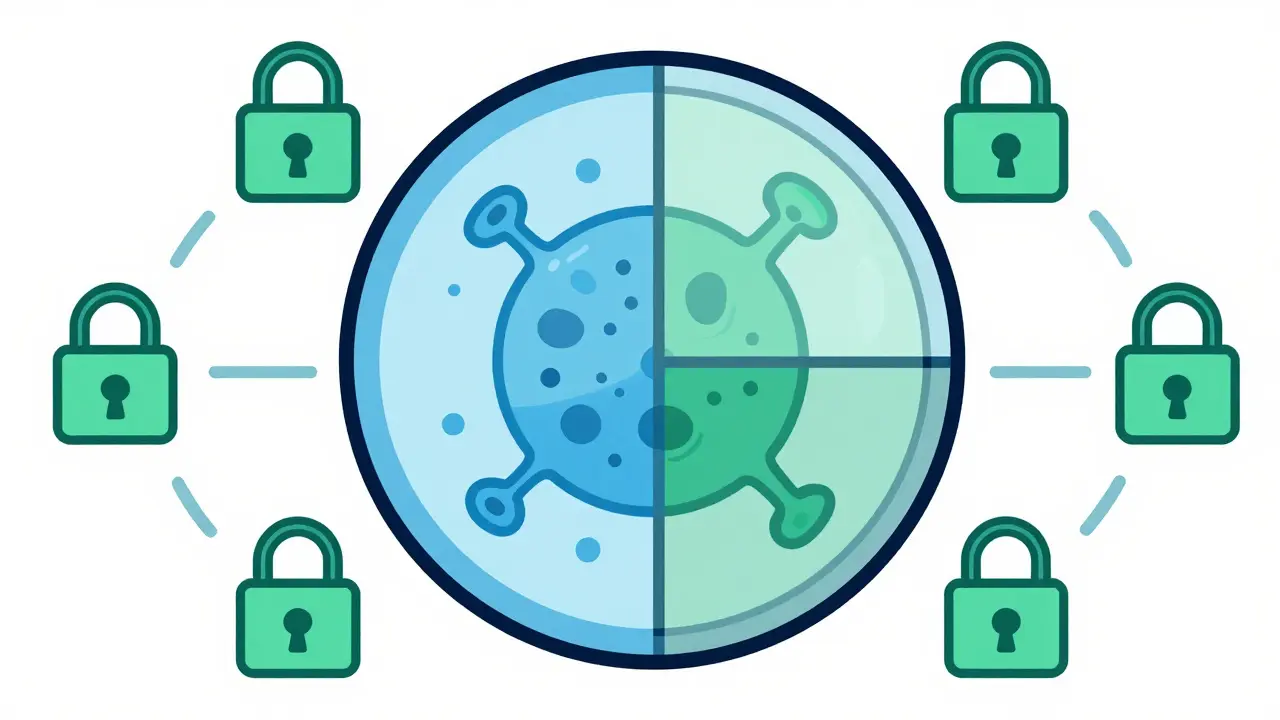
Contemporary Safety Protocols
Today, if you have a prescription for thalidomide, safety is the top priority. You cannot simply buy it over the counter. It is controlled through the System for Thalidomide Education and Prescribing Safety (STEPS). For women of childbearing age, mandatory contraception is required before starting treatment. Pregnancy testing happens regularly during therapy. This system acknowledges that thalidomide remains one of the most potent teratogens known. Healthcare providers must verify pregnancy status constantly to prevent exposure.
Lessons for Medical Practice
This history serves as a permanent case study in medical schools. It highlights the dangers of assuming safety without rigorous testing. Pharmacovigilance-the monitoring of drug safety after release-is critical. Sometimes side effects do not show up in small trials. Long-term monitoring is vital. The tragedy also emphasized the importance of transparency. Manufacturers must report adverse events immediately. When doctors saw the pattern of deformities, they acted quickly once alerted. This responsiveness saved many later pregnancies.
We also learned about the fragility of the "placental barrier." It does not protect the fetus from everything. Some molecules cross easily, especially early in development when organs are forming. Now, any drug prescribed to someone capable of becoming pregnant undergoes specific reproductive toxicology studies. If a drug shows potential for harm, clear labeling and contraindications are placed on the package. These barriers are invisible today, but they stand firm because of the lessons learned from 1961.
Frequently Asked Questions
Is thalidomide still used today?
Yes, it is currently prescribed for multiple myeloma and complications of leprosy, but only under strict safety controls to prevent pregnancy.
What specific defects did thalidomide cause?
Survivors often experienced phocomelia (limb reduction), facial palsy, eye defects, heart issues, and urinary tract abnormalities.
Did the FDA approve the drug initially?
No, Dr. Frances Kelsey refused to approve it due to insufficient safety data, preventing a widespread tragedy in the United States.
When was the link between the drug and birth defects discovered?
The link was confirmed in 1961 by doctors Widukind Lenz and William McBride, leading to the drug's withdrawal in late 1961.
How do we prevent teratogenic risks now?
Through mandatory reporting, animal testing for teratogenicity, pregnancy prevention programs, and strict regulations like the Kefauver-Harris Amendments.


Paul Vanderheiden
March 29, 2026 AT 11:22so glad we have better systems now for drug safety really hope everyone stays informed about whats happening in the pharma world its super important to stay aware
we can always look back and learn from what went wrong way back then and make sure nothing like that ever happens again with the same scale of tragedy
i feel hopeful that modern medicine keeps improving every single day and that patients get the protection they deserve while receiving treatment
tyler lamarre
March 31, 2026 AT 09:01Honestly the idea that this was allowed to happen because executives didn't check data is absolutely pathetic
You really have to wonder how many corporations are cutting corners right now without anyone noticing
It shows exactly why trusting big pharma blindly is a terrible mistake to make regardless of current regulations
Kameron Hacker
April 1, 2026 AT 21:57The corporate negligence displayed during this era is truly unforgivable from a moral standpoint.
We must understand that profit was prioritized over human life without hesitation.
Regulatory bodies failed their primary duty to protect the vulnerable populations effectively.
This incident reshaped the entire legal framework surrounding pharmaceutical development globally.
It serves as a stark reminder that trust alone is insufficient for safety protocols.
Modern standards are built upon the ashes of those unfortunate victims who suffered immensely.
Ignorance was not a valid defense when lives were lost due to preventable actions.
Society demands absolute transparency regarding potential side effects and risks now.
We cannot allow history to repeat itself through lax enforcement of testing guidelines.
The economic pressure on companies must never supersede biological safety again.
Legal consequences should remain severe for any future violations of this nature.
Medical professionals carry a heavy burden of responsibility when prescribing medications.
Public education plays a vital role in maintaining awareness of historical mistakes.
Vigilance is the only path forward for ensuring patient safety in our healthcare system.
We owe it to the survivors to maintain the highest possible standards forever.
Tommy Nguyen
April 3, 2026 AT 16:09great stuff here really nice to read about the positives coming out of such a dark chapter
we should keep pushing for openness in medical trials so everyone gets the full picture early on
Jeannette Kwiatkowski Kwiatkowski
April 4, 2026 AT 11:42The regulatory changes mentioned are still somewhat irrelevant today honestly.
Poppy Jackson
April 4, 2026 AT 15:05heartbreaking really amazing resilience tho
wonder how the families felt going through all that pain and confusion
such a tough situation but we see growth come from the ashes eventually
Aaron Olney
April 5, 2026 AT 10:46if i woukd have lived back then i probibly woulld have been furious at doctors
its crazy how fast thigns changed and nobody knew the truth untill kids were already born
imagine living with the guilt of presribing something bad to your own patients without knowing
Sophie Hallam
April 6, 2026 AT 00:18We should respect the past lessons without making too many assumptions about individual intent though
Medical science evolves slowly and often learns from painful incidents rather than proactive foresight
Keeping perspective helps us appreciate the current safety measures we take for granted daily