
Counterfeit Medication Checker
Check Your Medication for Counterfeit Signs
Counterfeit medications can look identical to real ones. This tool helps you check for warning signs that your medication might be fake. Remember: if you suspect a counterfeit, stop using it immediately and report it to health authorities.
Every year, millions of people around the world take pills they think are real medicine - but aren’t. These aren’t just poor-quality generics. They’re dangerous fakes. Some contain no active ingredient at all. Others have too little. Some are laced with rat poison, battery acid, or lethal doses of fentanyl. And they’re easier to find than you think.
What Exactly Is a Counterfeit Medication?
A counterfeit medication isn’t just a knockoff. It’s a deliberate fraud. The World Health Organization defines it as a product that misrepresents its identity, composition, or source - all to trick you into buying it. This includes pills with the wrong chemicals, fake packaging, fake labels, or no active drug at all. Even if the bottle looks perfect, the medicine inside could be useless or deadly.It’s not just about antibiotics or painkillers anymore. Criminals now target high-value drugs like insulin, cancer treatments, and even vaccines. In 2024, over 2,400 different medicines were reported as counterfeit across 136 countries. The global market for these fake drugs is estimated at $83 billion a year. That’s more than the GDP of many small nations.
How Do Fake Drugs Get to You?
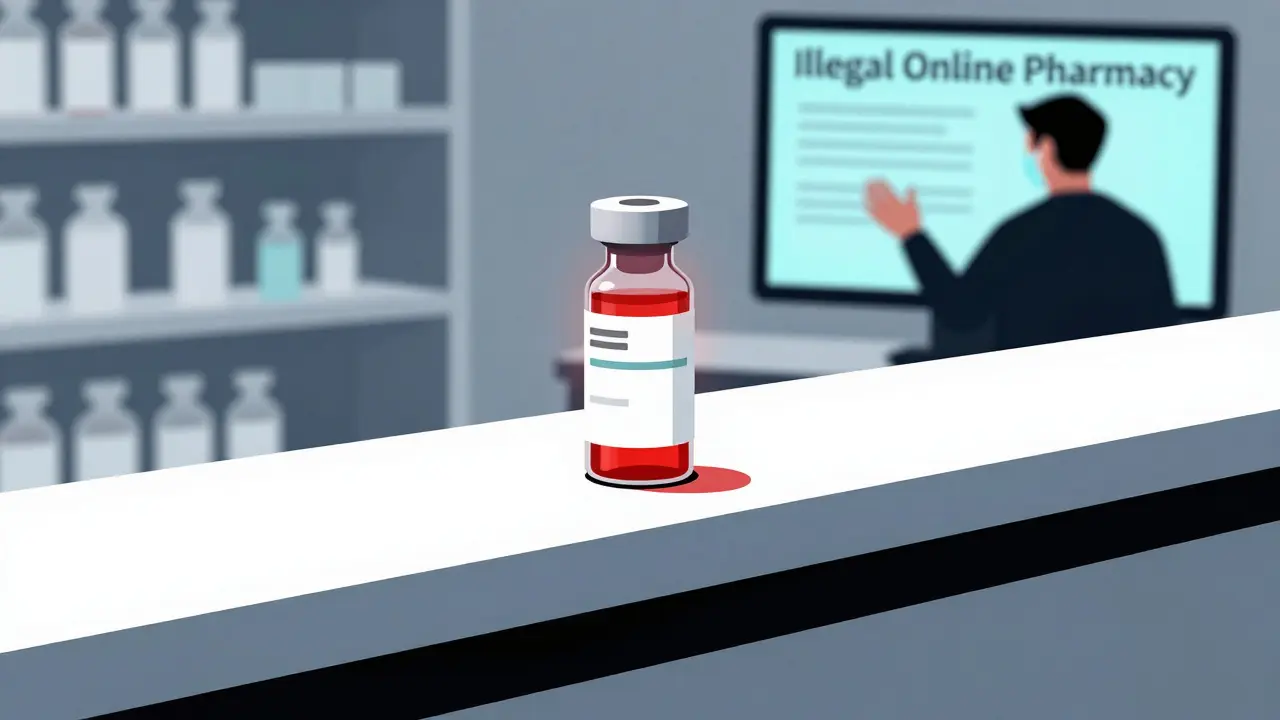
The internet is the main highway for counterfeit medications. Over 97% of websites selling prescription drugs operate illegally. Many of them pretend to be Canadian pharmacies - but they’re not. The FDA found that 85% of drugs sold from these sites actually come from unregulated factories in Asia, often with no quality control.Social media is another growing problem. Instagram, Facebook, and WhatsApp groups now sell pills disguised as “weight loss supplements” or “over-the-counter pain relief.” These aren’t just scams - they’re life-threatening. In 2025, Interpol seized over 50 million fake pills in a single global operation. Nearly 7 out of 10 of those pills contained fentanyl - a synthetic opioid so potent that a grain of salt-sized amount can kill.
Even legitimate-looking pharmacies can be fake. Some have professional websites, real-looking licenses, and customer reviews. But they’re fronts for criminal networks using encrypted apps and cryptocurrency to avoid detection.
How to Spot a Fake Medicine - Even If It Looks Real
Counterfeiters are getting better. Some fake insulin vials are so convincing, even nurses missed the signs - until they noticed the weight was off. Here’s what to look for:- Packaging differences: Compare the box or bottle to images on the manufacturer’s official website. Look for blurry logos, misspelled words, or mismatched fonts.
- Color, shape, or texture: If your pill looks different from the last time you took it - lighter, darker, smoother, or chalky - stop using it. Real medications have consistent appearances.
- Smell and taste: Some fake pills smell like plastic or chemicals. Others taste bitter when they shouldn’t. Don’t ignore odd odors.
- Unusual packaging features: Legit drugs often have tamper-evident seals, holograms, or serial numbers. If the seal is loose or the hologram doesn’t shift when you tilt it, it’s suspicious.
- Price too good to be true: If a 30-day supply of insulin costs $20 online, it’s fake. Real insulin costs hundreds in the U.S. and even more in other countries.
One user on Reddit shared how their family member nearly died after taking counterfeit insulin. The packaging looked perfect. The only clue? The vial felt lighter. That’s how subtle these fakes have become.
Where to Buy Medicine Safely
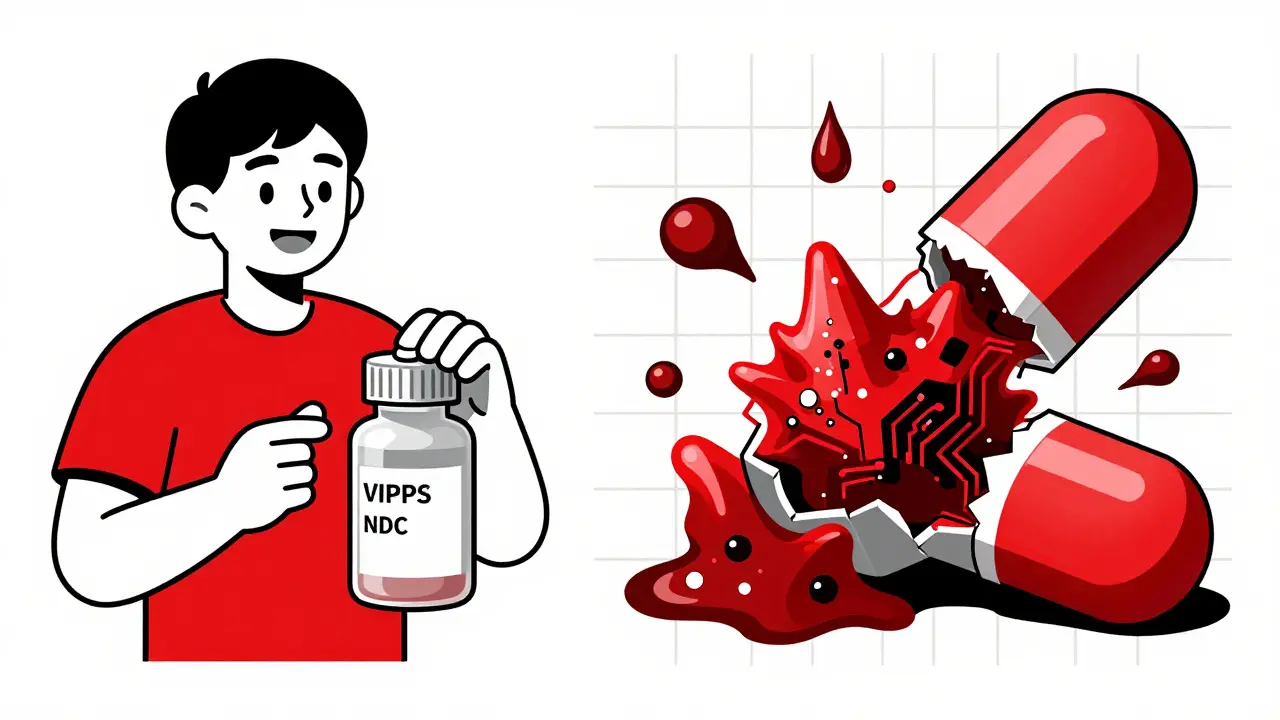
The safest place to get medicine is from a licensed pharmacy - in person. But if you must buy online, here’s how to stay safe:- Look for VIPPS: In the U.S., only pharmacies with the Verified Internet Pharmacy Practice Sites (VIPPS) seal are legally allowed to sell prescription drugs online. Check the NABP website to verify the seal.
- Require a prescription: Any site that sells prescription drugs without one is illegal. Period.
- Check the physical address: Legit pharmacies list a real address and phone number. Call them. If they don’t answer or give vague responses, walk away.
- Use official databases: The FDA lets you search National Drug Code (NDC) numbers. Enter the code from your bottle on the FDA’s website to confirm it’s registered.
- Avoid social media sellers: No matter how convincing the post, never buy medicine from a Facebook ad, Instagram DM, or TikTok link.
Even if a site looks professional, don’t trust it unless you’ve verified it through official channels. The Partnership for Safe Medicines shut down over 11,000 illegal pharmacy websites in 2025 alone.
What Happens When You Take a Fake Drug?
The consequences aren’t theoretical. In Africa, counterfeit antimalarial drugs cause over 120,000 deaths every year. In the U.S., the U.S. Pharmacopeia recorded 1,247 adverse events linked to suspected fake medicines in 2025 - 87% of them from online purchases.Some fake drugs contain no active ingredient. That means your diabetes, high blood pressure, or epilepsy goes untreated. Your condition worsens. You end up in the hospital.
Others contain too little. Antibiotics with weak doses don’t kill bacteria - they make them stronger. That’s how antimicrobial resistance spreads. The WHO calls this one of the biggest threats to global health.
And then there are the toxic ones. Fake pills have been found with rat poison, industrial dyes, and fentanyl. A single pill can kill. In 2024, U.S. drug enforcement agencies seized 61.1 million fake pills - many of them designed to look like oxycodone or Xanax. The DEA says most of them contain lethal doses of fentanyl.
What Should You Do If You Suspect a Fake?
Don’t throw it away. Don’t take it. Don’t just complain online. Take action.- Stop using it immediately.
- Save the packaging and pill. Keep everything - even the receipt.
- Report it. In the U.S., use the FDA’s MedWatch program. In the EU, contact your national health authority. In many countries, the WHO’s MedSafety app lets you report suspicious drugs with photos.
- Call your doctor. Tell them what happened. They may need to adjust your treatment or run tests.
- Warn others. Post on trusted forums or community boards - but stick to facts. Don’t spread panic.
Reporting fake drugs helps regulators track trends and shut down operations. In 2025, over 700 arrests were made worldwide because someone reported a suspicious online pharmacy.
What’s Being Done to Fight Back?
Governments and drug companies aren’t sitting still. The U.S. Drug Supply Chain Security Act (DSCSA) requires full electronic tracking of every prescription drug by November 2025. That means every pill will have a unique digital code you can scan to verify its journey from factory to pharmacy.The European Union already uses this system under the Falsified Medicines Directive. Each package has a unique identifier and an anti-tamper seal. If the seal is broken, the drug is blocked from sale.
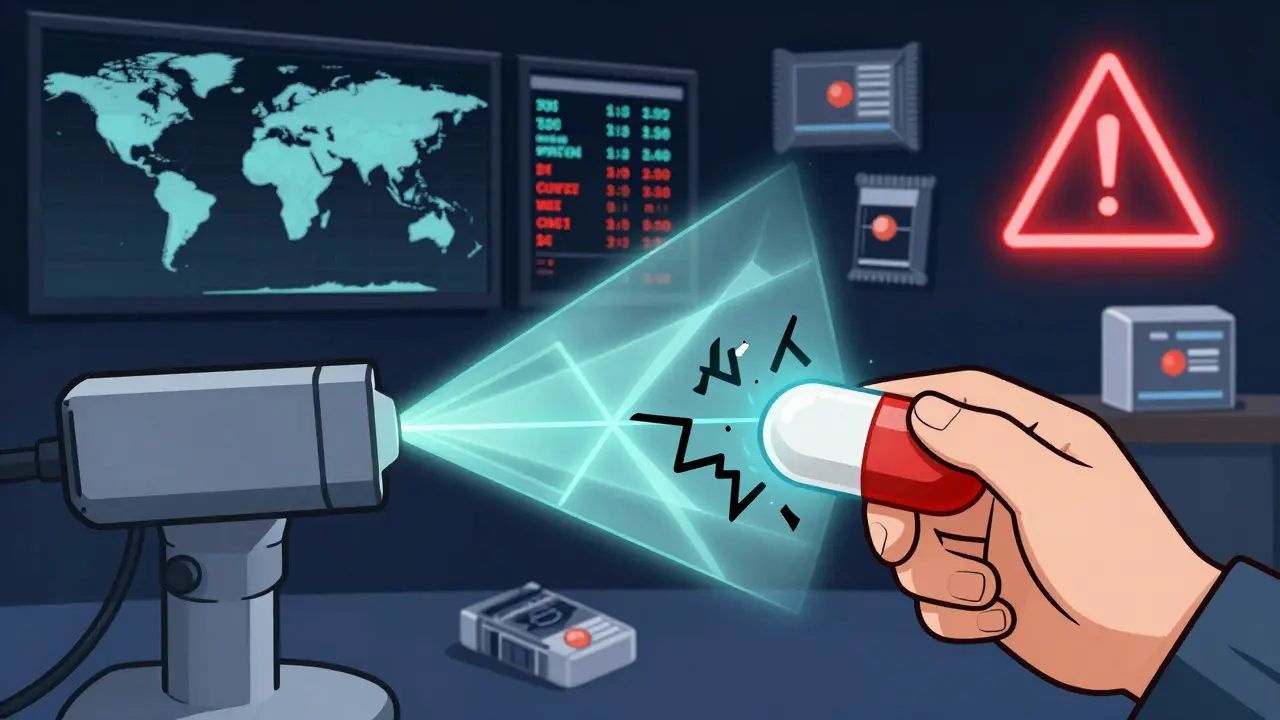
Technology is helping too. Portable spectroscopy devices - small handheld tools that scan the chemical makeup of a pill - are becoming more common. Hospitals and pharmacies in North America are using them to test suspicious batches. The market for these devices is expected to hit $2.3 billion by 2030.
But criminals are adapting. Some are now using 3D printers to make fake packaging that looks identical to the real thing. Others are hacking into legitimate supply chains to slip in fake drugs. The fight isn’t over - but awareness is the best defense.
Final Advice: Trust Your Instincts
If something feels off about your medicine - the price, the packaging, the way it tastes - trust that feeling. You don’t need to be a pharmacist to spot a fake. You just need to be careful.Don’t buy from strangers online. Don’t skip the prescription. Don’t assume “it’s just one pill.” One fake pill can change your life - or end it.
Medicine should save you. It shouldn’t kill you. Stay informed. Stay alert. And never stop asking questions.
How can I tell if an online pharmacy is real?
Look for the VIPPS seal from the National Association of Boards of Pharmacy (NABP). Check that the pharmacy requires a valid prescription, lists a physical U.S. address, and has a working phone number. Verify the site through the NABP’s online directory. If it doesn’t meet all these criteria, it’s not safe.
Are fake drugs only a problem in developing countries?
No. While over 1 in 10 medicines in low- and middle-income countries are fake, counterfeit drugs are a global issue. In the U.S., nearly all fake drugs come from online sources - not local pharmacies. The FDA estimates less than 1% of drugs in the legal supply chain are counterfeit, but that number jumps to over 50% for drugs bought from unverified websites.
Can I trust generic medications?
Yes - if they’re from a licensed pharmacy and approved by regulators like the FDA or EMA. Genuine generics have the same active ingredients as brand-name drugs. But fake generics - sold online without prescriptions - are dangerous. Always check the manufacturer and verify the NDC code.
What should I do if I find a counterfeit drug?
Stop using it. Save the packaging and any receipts. Report it to your country’s health authority - in the U.S., use the FDA’s MedWatch system. You can also use the WHO’s MedSafety app to upload photos. Reporting helps authorities track and shut down criminal networks.
Why are counterfeit insulin and cancer drugs so dangerous?
These are life-sustaining drugs. If insulin lacks active ingredients, blood sugar spikes can lead to coma or death. Fake cancer drugs may contain no chemotherapy agents, allowing tumors to grow unchecked. Even small variations in dosage can be fatal. Criminals target these because they’re expensive - and patients will pay anything to survive.
Is it safe to buy medicine from Canada online?
Only if the website is a licensed Canadian pharmacy and displays a VIPPS seal. Many sites claim to be Canadian but are based in other countries. The FDA says 85% of drugs sold as “Canadian” online come from unregulated sources. Always verify the pharmacy’s license through official Canadian regulatory databases.
Can I use a pill identifier app to check if my medicine is real?
Pill identifier apps can help you match a pill’s shape, color, and imprint to known medications - but they can’t detect counterfeit drugs. A fake pill might look exactly like the real one. These apps are useful for identifying unknown pills, but not for verifying authenticity. Always cross-check with the FDA’s NDC database or your pharmacist.


Sarah Mailloux
January 15, 2026 AT 02:26Just bought my insulin from a site that looked legit - turned out it was fake. My sugar spiked so bad I ended up in the ER. Don’t trust anything online unless it’s VIPPS. Save your life, not your money.
Amy Ehinger
January 16, 2026 AT 21:16I used to think fake meds were just a third-world problem until my cousin in Ohio ordered ‘Xanax’ from a TikTok ad and nearly died. Like, how is this still happening? The packaging looked like it came straight from Pfizer. The only thing that tipped us off was the weird plastic smell. Now I check every pill with the FDA’s NDC database - it’s a habit. Sad that we have to.
Nilesh Khedekar
January 18, 2026 AT 04:30Oh wow, so now we’re supposed to be pharmaceutical detectives just to get our blood pressure meds?? And the government’s like, ‘lol, just use the NDC database’ - while the same people who run the FDA are letting pharma giants charge $900 for insulin?! You want us to verify pills? Fine. But first, fix the system that makes people desperate enough to buy from sketchy websites in the first place. This isn’t about vigilance - it’s about capitalism being murderous.
Jami Reynolds
January 18, 2026 AT 13:19Let’s be real - this whole fake drug crisis is orchestrated. The FDA, WHO, and Big Pharma all benefit from fear. Why? Because if you think every pill is a death trap, you’ll keep buying expensive brand-name drugs and never question the price. The ‘fentanyl-laced pills’ narrative? Perfect distraction. Remember when they said vaping caused EVALI? Turns out most cases were from black-market THC cartridges - not regulated nicotine. Same playbook. The real danger isn’t the fakes - it’s the narrative control.
Ayush Pareek
January 20, 2026 AT 02:54As someone from India, I’ve seen this up close. My aunt took fake malaria pills for weeks - thought she was getting better. Turns out, the pills were just starch. She ended up in ICU. The scary part? The packaging had the same logo, same color scheme, even the same QR code. Only difference? The batch number didn’t match the manufacturer’s website. I now check every medicine I buy - even over-the-counter ones. A few minutes of verification can save a life.
ellen adamina
January 20, 2026 AT 09:00I read this whole thing and just felt so heavy. Not because it’s surprising - but because it’s so normal now. People are dying because they can’t afford real meds. And instead of fixing that, we’re telling them to scan barcodes and call the FDA. What if you don’t have internet? What if you’re elderly? What if you’re scared to report it because you’re undocumented? This isn’t just about fake pills - it’s about a system that treats health like a luxury.
Diane Hendriks
January 20, 2026 AT 14:29Let me be clear: the U.S. has the most regulated drug supply in the world. The fact that fake meds even exist here is a failure of individual responsibility - not government policy. If you buy medicine from a stranger on Instagram, you’re not a victim - you’re a fool. Stop blaming the system. Start taking ownership. Your life isn’t a social experiment.
RUTH DE OLIVEIRA ALVES
January 21, 2026 AT 19:22It is imperative to underscore that the global proliferation of counterfeit pharmaceuticals constitutes a profound public health emergency of transnational magnitude. The World Health Organization’s 2024 report, corroborated by Interpol and the U.S. Pharmacopeial Convention, unequivocally establishes that the absence of standardized regulatory oversight in digital pharmaceutical marketplaces has enabled the commodification of human vulnerability. Furthermore, the integration of cryptographic transaction protocols by illicit actors has rendered traditional law enforcement mechanisms largely obsolete. It is therefore not merely prudent, but morally obligatory, for all consumers to verify the National Drug Code via the FDA’s official portal prior to ingestion. The integrity of one’s physiological well-being is non-negotiable.