

Gabapentinoid + Opioid Risk Estimator
Patient Factors
Select all factors that apply to the patient:
Risk Assessment
Baseline risk level. Monitor for side effects.
Key Recommendations:
- • Start with lowest effective dose
- • Monitor breathing patterns
- • Avoid alcohol consumption
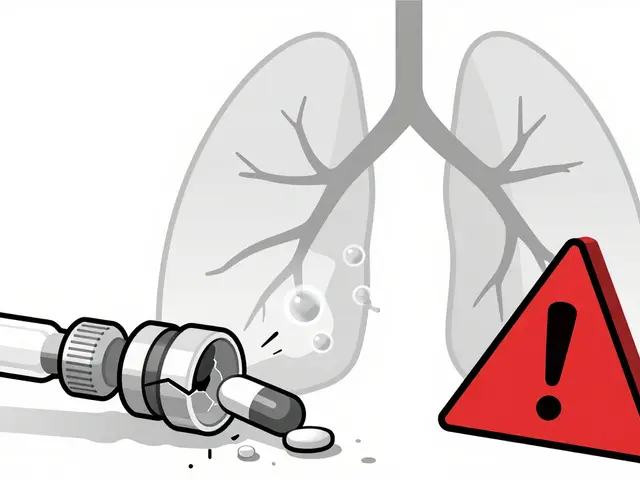
Imagine you are in pain. Your doctor prescribes an opioid to help you sleep and feel better. Then, they add a gabapentinoid-like gabapentin or pregabalin-to boost the pain relief and reduce the amount of opioid you need. It sounds like a smart plan, right? Unfortunately, this combination can be deadly. The mix of these two drugs creates a dangerous effect known as additive respiratory depression, which means your breathing slows down so much that your body doesn’t get enough oxygen.
This isn't just a theoretical risk. In April 2019, the U.S. Food and Drug Administration (FDA) issued a strict warning about this interaction. They found that combining gabapentinoids with opioids significantly increases the chance of severe breathing problems, including death. If you take either of these medications, or both, understanding this risk is crucial for your safety.
What Are Gabapentinoids?
To understand the danger, we first need to know what these drugs are. Gabapentinoids are a class of medications primarily used to treat seizures and nerve pain (neuropathic pain). The two most common drugs in this group are:
- Gabapentin: Marketed under brand names like Neurontin, Gralise, and Horizant. It was originally developed to treat epilepsy but is now widely prescribed for chronic pain conditions.
- Pregabalin: Known by the brand name Lyrica. It works similarly to gabapentin but is absorbed into the bloodstream more quickly and consistently.
These drugs work by calming overactive nerves. However, they also affect the central nervous system (CNS), which controls automatic functions like heart rate and breathing. While they are not opioids, they share some similar side effects, including drowsiness and slowed breathing.
The Danger of Additive Respiratory Depression
When you take an opioid, it binds to receptors in your brain that control breathing. This is why high doses of opioids can stop you from breathing entirely. Gabapentinoids don't bind to those same receptors, but they do suppress the CNS in a different way. When you combine them, the effects add up. This is called "additive" respiratory depression.
Think of it like adding weight to a scale. One drug adds a little weight (slows breathing slightly). The other drug adds more weight. Together, they push the scale past a critical point where breathing becomes dangerously shallow or stops completely.
The FDA reviewed data from its Adverse Event Reporting System (FAERS) between 2012 and 2017. They identified 49 cases of respiratory depression linked to gabapentinoids. Here is what they found:
- 92% of these cases involved a risk factor, such as being older, having lung disease, or taking another CNS depressant like an opioid.
- 24% of the cases resulted in death.
- All fatal cases involved at least one risk factor or the use of another CNS depressant.
This data shows that while gabapentinoids alone can cause breathing issues, the risk skyrockets when mixed with opioids.
Why Does This Interaction Happen?
Scientists have studied how these drugs interact in the body. There are two main mechanisms at play:
- Pharmacodynamic Interaction: Both drugs slow down the central nervous system. Even if they work on different parts of the brain, the final result is the same: slower breathing. A study by Myhre et al. showed that when healthy volunteers took pregabalin and remifentanil (an opioid) together, their carbon dioxide levels rose significantly more than when they took either drug alone.
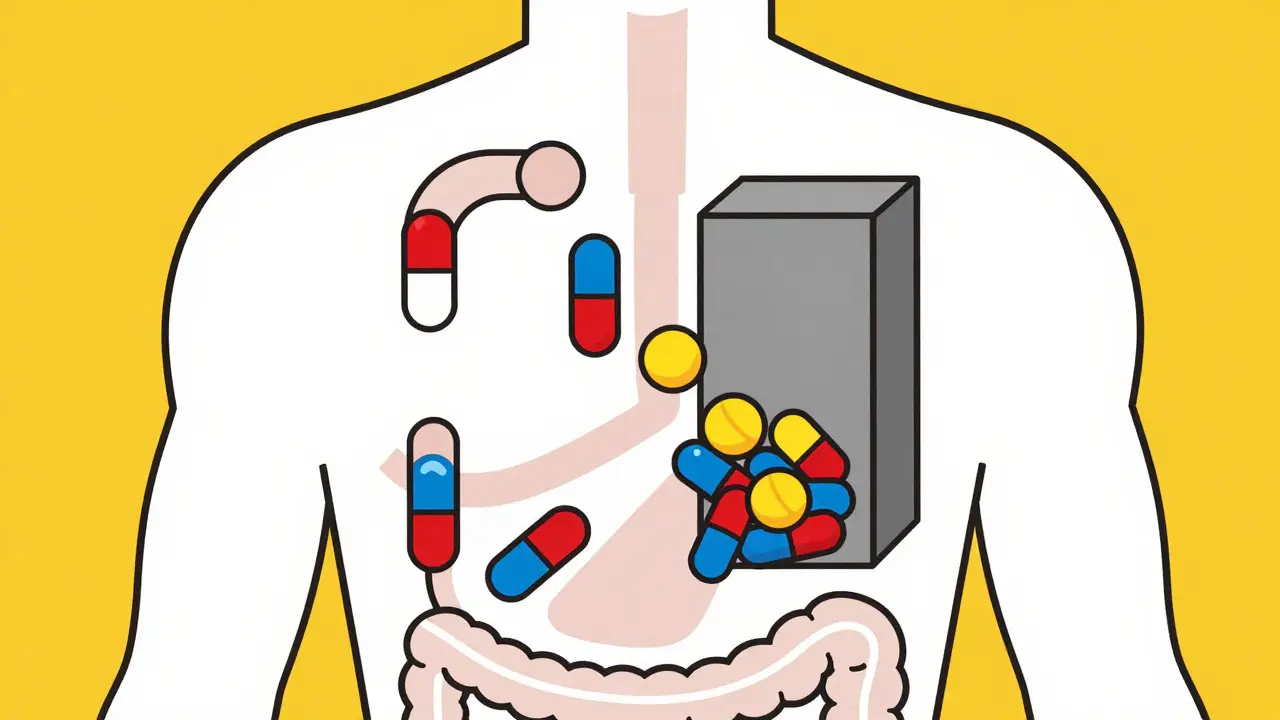
- Pharmacokinetic Interaction: Opioids can slow down your digestion. Gabapentin is absorbed in the upper small intestine. If opioids slow down how fast food moves through your gut, gabapentin stays in that absorption zone longer. This can lead to higher levels of gabapentin in your blood than expected, increasing the risk of side effects.
There is also evidence that gabapentinoids might reverse the tolerance your body builds to opioids. If you have been taking opioids for a while, your body adapts. Adding a gabapentinoid might suddenly make you sensitive to the opioid's breathing-suppressing effects again, even at the same dose.
Who Is at Highest Risk?
Not everyone who takes these drugs will experience respiratory depression. However, certain groups are much more vulnerable. You should be extra cautious if you fall into any of these categories:
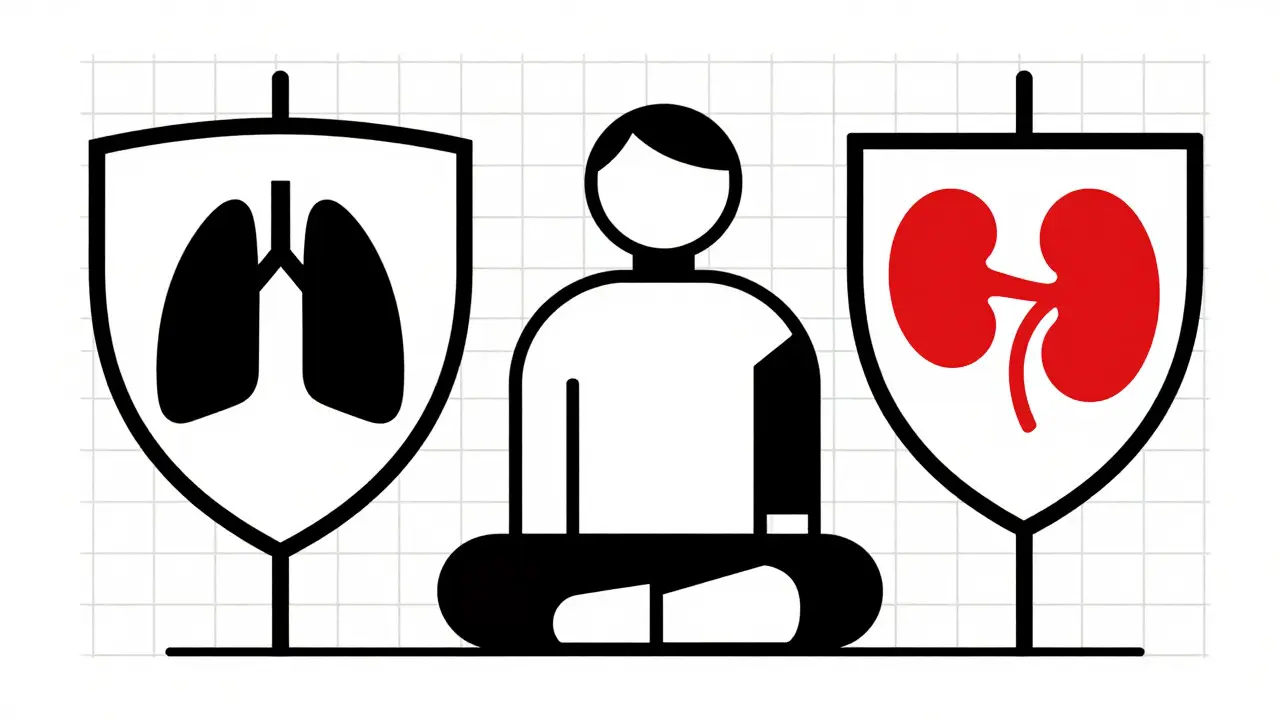
- Older Adults: As we age, our lungs function less efficiently, and our kidneys clear drugs from the body more slowly. This makes seniors particularly susceptible to the effects of CNS depressants.
- Patients with Kidney Problems: Both gabapentin and pregabalin are removed from the body by the kidneys. If your kidneys aren't working well, the drugs build up in your system. Dose adjustments are essential for people with reduced creatinine clearance.
- People with Lung Disease: Conditions like COPD (Chronic Obstructive Pulmonary Disease) or sleep apnea mean your breathing is already compromised. Adding drugs that slow breathing further can be catastrophic.
- Those Taking Other CNS Depressants: Alcohol, benzodiazepines (like Xanax or Valium), and muscle relaxers all slow down the CNS. Mixing these with gabapentinoids and opioids multiplies the danger.
Real-World Data: How Common Is This?
You might wonder if this is a rare occurrence. The numbers suggest otherwise. A landmark study published in PLOS Medicine by Gomes et al. analyzed over 16 years of data. They found that about 8% of patients receiving opioids were also prescribed gabapentin. More alarmingly, co-prescribing these drugs increased the risk of dying from opioid-related causes by 50%. If the patient was on very high doses of gabapentin, the risk nearly doubled (a 98% increase).
Despite these warnings, the practice remains common. In 2017, nearly 22% of new gabapentin prescriptions and 24% of new pregabalin prescriptions included concomitant opioids. This trend likely started because doctors were trying to follow guidelines to reduce opioid use. They hoped gabapentinoids would act as "opioid-sparing" agents, allowing patients to take less opioid medication. However, the JAMA Network Open analysis noted that the evidence for this benefit is "equivocal." In many cases, adding gabapentinoids didn't significantly improve pain control but did add significant risk.
| Factor | Gabapentin + Opioids | Pregabalin + Opioids |
|---|---|---|
| Absorption Speed | Variable; affected by dose size | Rapid and consistent |
| Kidney Clearance Issue | High risk if CrCl < 70 mL/min | High risk if CrCl < 60 mL/min |
| Respiratory Depression Risk | Additive effect; 15 reported cases in FDA review | Additive effect; 34 reported cases in FDA review |
| Tolerance Reversal Potential | Yes | Yes |
Safety Guidelines and Best Practices
If you are prescribed these medications, you are not powerless. There are specific steps you and your healthcare provider can take to minimize risk.
- Start Low, Go Slow: The Medical Letter recommends starting gabapentinoids at the lowest possible dose and increasing it gradually. This allows your body to adjust and helps identify side effects early.
- Check Kidney Function: Always inform your doctor if you have kidney issues. Dosage reductions are necessary for both drugs if your creatinine clearance is low. Ignoring this can lead to toxic buildup.
- Avoid Alcohol: Alcohol is a CNS depressant. Drinking alcohol while on this combination can tip the balance toward respiratory failure.
- Monitor Breathing: If you live with someone taking these drugs, they should watch for signs of slowed breathing, extreme drowsiness, or difficulty waking up. These are red flags.
- Review All Medications: Make sure your pharmacist knows every drug and supplement you take. Hidden CNS depressants in over-the-counter sleep aids or allergy meds can contribute to the problem.
What Should Patients Do Now?
If you are currently taking gabapentin or pregabalin along with an opioid, don't panic. For many people, this combination is managed safely. However, you should have an open conversation with your doctor. Ask them:
- "Is there a non-opioid alternative for my pain that doesn't carry this risk?"
- "Are my current doses appropriate for my kidney function?"
- "Should I be monitored more closely for breathing issues?"
Regulatory bodies like the FDA in the US and the MHRA in the UK have updated labels for these drugs to highlight this risk. The goal is awareness. By understanding that gabapentinoids are not harmless "helper" drugs but potent CNS depressants, patients and providers can make safer choices.
Can gabapentin cause respiratory depression on its own?
Yes, although it is rare. The FDA has reported cases of respiratory depression with gabapentin monotherapy, particularly in patients with underlying respiratory impairment or those who are elderly. However, the risk is significantly higher when combined with opioids or other CNS depressants.
What are the symptoms of additive respiratory depression?
Symptoms include slow or shallow breathing, extreme drowsiness, confusion, blue tint to lips or fingernails (cyanosis), and difficulty waking up. If you notice these signs, seek emergency medical attention immediately.
How does kidney function affect gabapentin dosage?
Gabapentin and pregabalin are excreted by the kidneys. If kidney function is impaired (measured by creatinine clearance), the drugs stay in the body longer, leading to higher concentrations. Dosage must be reduced based on specific creatinine clearance levels (e.g., below 70 mL/min for gabapentin) to prevent toxicity.
Is it safe to drink alcohol while taking gabapentin and opioids?
No. Alcohol is a central nervous system depressant. Combining it with gabapentinoids and opioids creates a triple threat to your breathing drive, significantly increasing the risk of respiratory arrest and death.
Why are doctors still prescribing gabapentin with opioids?
Doctors often prescribe gabapentinoids as "opioid-sparing" agents, hoping to reduce the total amount of opioid needed for pain control. However, recent studies suggest the pain-relief benefit may be limited while the respiratory risk remains high, making this practice controversial.
Eunice Chen
August 16, 2026 AT 17:04my mom takes both for her back pain and shes always so tired i guess this explains it
Usha Ranji
August 18, 2026 AT 05:13It is quite fascinating how the pharmacokinetic interaction works here. The fact that opioids slow down digestion means gabapentin stays in the absorption zone longer. This leads to higher blood levels than expected. I often see patients who are confused about why they feel worse despite taking the same dose. It is crucial for healthcare providers to explain this mechanism clearly. Many people assume that because gabapentin is not an opioid, it is safe to mix freely. But the central nervous system depression adds up quickly. We need more awareness campaigns for this specific interaction.
Ella Mentry
August 18, 2026 AT 20:50Oh honey, you really think your doctor knows what they are doing? Please. They just throw drugs at you like confetti. I had a friend who took lyrica and oxycodone and ended up in the ICU. She said she felt fine until she couldn't wake up. It's terrifying. You have to watch these doctors like hawks. They don't care about your breathing, they just want to fill the prescription pad. Don't let them gaslight you into thinking it's safe. Your lungs are precious! Protect them!
Saher Ghattas
August 19, 2026 AT 18:23The FDA warning is merely a regulatory construct designed to limit patient autonomy under the guise of safety. The data from FAERS is self-reported anecdotal evidence lacking rigorous double-blind controls. One must consider the economic incentives driving the pushback against polypharmacy. Big Pharma profits from separate prescriptions rather than integrated holistic solutions. The concept of 'additive respiratory depression' ignores individual metabolic variance and epigenetic factors. Most healthy adults metabolize CNS depressants efficiently without catastrophic outcomes. The fear-mongering serves to keep the population docile and dependent on state-sanctioned medical narratives. Question the source of the data.
Darcy Galway
August 20, 2026 AT 12:46In my village we use herbs for pain. No pills needed. But here in Canada everyone wants quick fix. This article is good info though. Old people need careful watching. Kidneys get weak with age. Must check creatinine clearance before giving strong meds. Simple logic really.
Marc-Alexandre Rizzo
August 22, 2026 AT 02:55Let’s paint a picture here. Imagine your brain is a conductor leading an orchestra of bodily functions. Breathing is one of the most critical instruments. Opioids put a heavy blanket over the conductor’s hands. Gabapentinoids add another layer of fog to the room. Suddenly, the music slows down to a crawl. And if you toss in alcohol or benzos, you’re basically turning off the lights entirely. It’s a dangerous symphony of silence. We need to treat our bodies with more respect and less chemical cocktail party energy. Start low, go slow, and keep your eyes open for those red flags like shallow breaths or extreme drowsiness.
Simon-Pierre Bouchard
August 22, 2026 AT 10:39Sure, because nothing says 'safe healthcare' like mixing two drugs that make you sleepy. Groundbreaking science right there. Doctors prescribing this combo are basically playing Russian roulette with your diaphragm. But hey, as long as the paperwork looks good, who cares if you stop breathing?
Paul Coar
August 24, 2026 AT 01:38i mean its scary but also common. my dad has copd and takes these. he sleeps all day now. hope hes ok tho. just dont drink alcohol with it i guess. easy enough rule to follow right? lol
Vivek sharma
August 25, 2026 AT 18:55Life is a delicate balance of energies. When we introduce substances that dampen the vital spark of breath, we disrupt the natural flow. The body seeks homeostasis, yet modern medicine often pushes it toward stagnation. Be mindful of what you invite into your temple. Knowledge is power, and awareness is protection. Stay vigilant and honor your breath. 🙏✨
Garry Hedges
August 26, 2026 AT 16:12the stats are wild. 24% death rate in those cases? thats insane. doctors need to stop being lazy and actually read the labels. its not hard to check kidney function. just do it. save some lives instead of just writing scripts. wake up people.
sonia rockett
August 28, 2026 AT 15:29You guys are missing the point! It's not just about the drugs, it's about the SYSTEM failing us! Why are we still prescribing this garbage if the risk is this high? It's negligence plain and simple! Wake up and demand better care! Stop letting them treat you like lab rats! Fight for your health rights NOW!