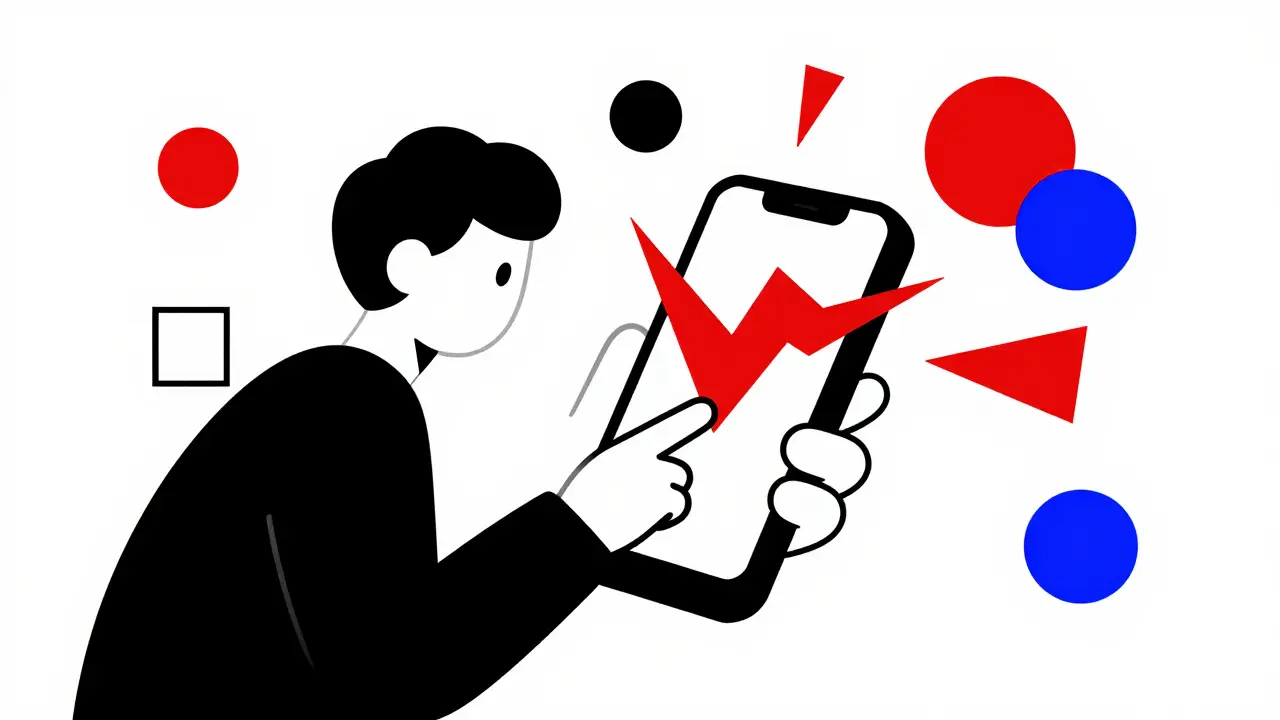
Scrolling through your feed feels harmless until you see a video claiming a specific supplement cures chronic pain or that stopping prescribed medication is safe. It looks like helpful advice from someone who "gets it." But unsafe medication advice on social media is not just annoying; it is dangerous. It can lead to severe side effects, hospital visits, or worse. You need to know how to spot the difference between genuine sharing and harmful misinformation before you click, share, or change your routine.
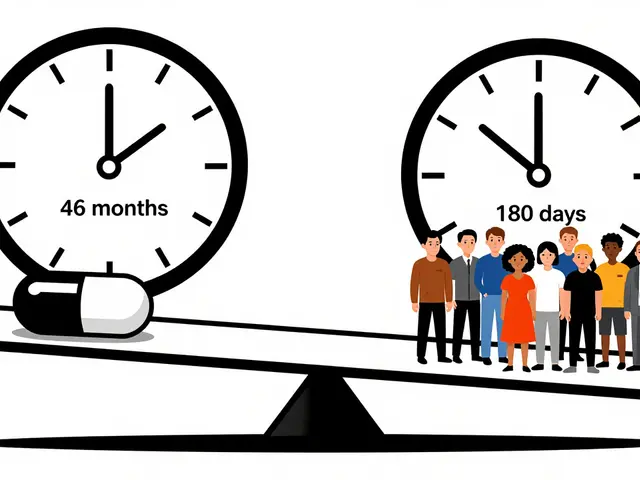
The problem has grown massively. During the pandemic, the World Health Organization declared an "infodemic," meaning false health information spread faster than the virus itself. Today, nearly 60% of people use the internet for health info. While some of it is good, a lot is driven by algorithms designed to keep you watching, not keeping you healthy. This guide breaks down exactly what to look for so you can protect yourself and your family.
The Red Flags of Dangerous Health Content
Not every post about medicine is bad, but unsafe advice usually wears a mask. Here are the most common signs that a post should be ignored:
- Unlicensed Sources: If the person posting does not have a verifiable medical license (like MD, DO, PharmD), treat their advice with extreme caution. The Baton Rouge Clinic warns against trusting claims from anyone without proper credentials. An influencer with a million followers is not a doctor unless they say they are and you can verify it.
- "Miracle Cure" Claims: Real medicine rarely works overnight. If a post promises a quick fix for complex issues like diabetes, heart disease, or depression, it is likely false. Legitimate treatments take time and often have side effects. "Secret" remedies that mainstream science ignores are almost always scams.
- Ignoring Medical History: Safe medication depends on your unique body. Advice that says "this works for everyone" is lying. What helps one person might kill another due to allergies, other drugs, or underlying conditions. Never follow generic advice that ignores individual differences.
- Emotional Manipulation: Posts that make you feel guilty for taking prescribed meds or scared of "big pharma" are using fear to sell something. They often claim that doctors are hiding the truth. This is a classic tactic to bypass your critical thinking.
Why Algorithms Push Bad Advice
You might wonder why this stuff spreads so fast. It comes down to how social media platforms work. Platforms like TikTok, Instagram, and YouTube use algorithms to show you content similar to what you already engage with. If you watch one video about natural remedies, the algorithm feeds you more. This creates an "echo chamber" where misinformation reinforces itself.
Research from the University of Denmark shows that your existing beliefs shape what you see. If you distrust vaccines, you will see mostly anti-vaccine content. This bias limits your exposure to accurate information. The goal of these platforms is engagement, not accuracy. Controversial or shocking claims get more clicks than boring, factual ones. That is why dangerous trends, like drinking apple cider vinegar undiluted or stopping insulin, go viral.
Marketing Disguised as Help
A huge amount of "advice" is actually paid advertising. Many health influencers are paid to promote supplements, herbal medicines, or diet plans. They may not disclose this partnership clearly. Healthline notes that these partnerships heavily influence the messages they deliver. When someone sells a product, their advice is biased toward selling that product, not your long-term health.
Look for subtle sales pitches. Does the video end with a link in bio? Do they repeatedly mention a specific brand name instead of the active ingredient? If yes, it is marketing. Even if the product is safe, the advice surrounding it is often exaggerated to drive sales. Remember: if they are making money from your purchase, their loyalty is to the wallet, not your wellbeing.
The Three-Step Verification Process
Before you try any new regimen seen online, run it through this simple check. Doctors at the University of Colorado recommend verifying claims before acting on them.
- Check the Source: Who is speaking? Look up their background. Are they a licensed professional? Do they have a history of credible publications? If their profile is vague or focuses only on lifestyle, skip the advice.
- Check the Motive: Are they selling something? Is the advice one-sided? If they only talk about benefits and never mention risks, it is suspicious. Real medicine always discusses trade-offs.
- Cross-Reference with Authorities: Search the claim on trusted sites like the CDC, FDA, or peer-reviewed medical journals. If reputable sources do not support the claim, assume it is false. The CDC suggests cross-referencing with at least three authoritative sources.
Real-World Risks and Harm
This is not theoretical. Unsafe advice causes real harm. Studies monitoring social media during pregnancy found alarming rates of unsafe medication use influenced by online trends. Adolescents are particularly vulnerable. Research published in JAMA Pediatrics highlights that teens exposed to health misinformation face significant risks to their health equity and physical safety.
Viral trends have included dangerous practices like mouth taping during sleep or extreme diets without medical supervision. These trends spread because they look easy and are promoted by charismatic figures. But without medical oversight, they can lead to respiratory issues, nutritional deficiencies, or drug interactions. Always consult a qualified health professional before changing your medication routine based on a social media post.
Building Your Defense Strategy
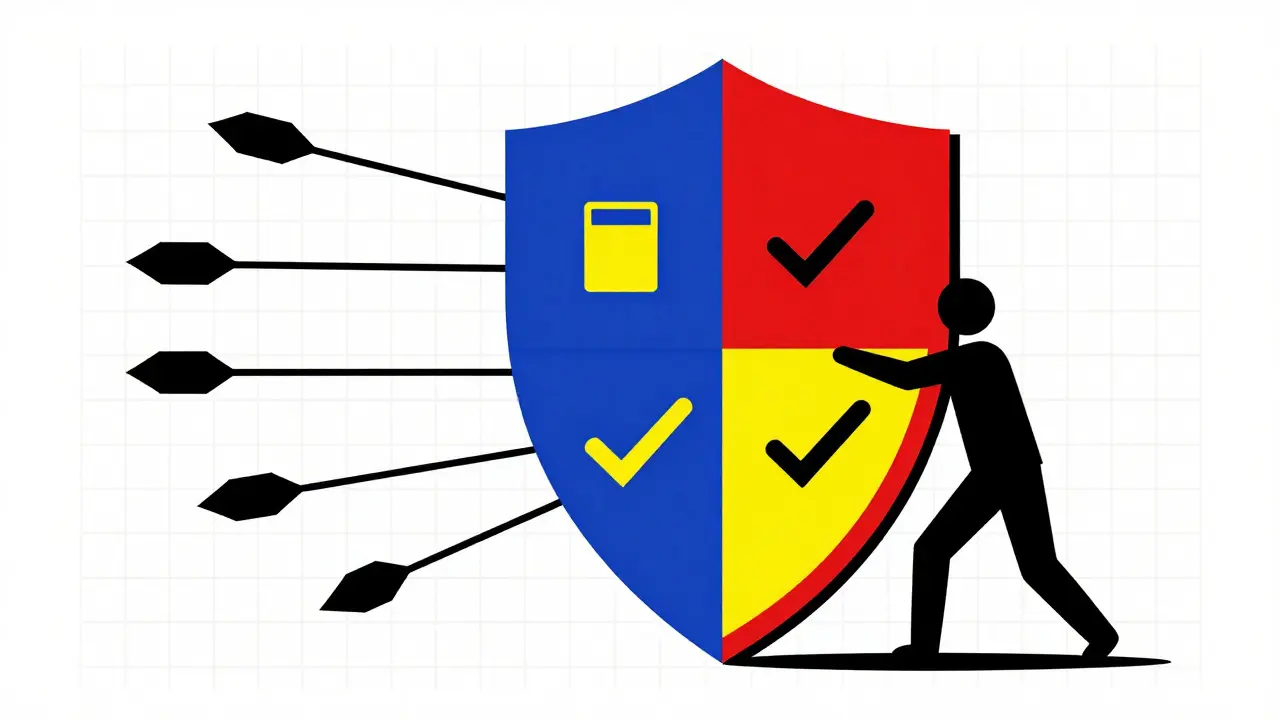
Protecting yourself starts with changing how you interact with health content. Follow accounts run by reputable health organizations rather than individual influencers. Curate your feed to prioritize science-based information. This helps break the algorithmic echo chamber.
Educate yourself on "pre-bunking." This strategy involves learning accurate information before encountering misinformation. When you know the facts, fake claims lose their power. Share correct information with friends and family, especially those vulnerable to scams. Collective action is needed to reduce the spread of harmful content. By asking questions and demanding evidence, you help create a safer online environment for everyone.
Is all health advice on social media unreliable?
No, not all advice is bad. Many licensed professionals share accurate, helpful tips. However, you must verify their credentials and cross-check claims with authoritative sources like the CDC or FDA. Treat social media as a starting point for research, not a final diagnosis.
What should I do if I already followed unsafe advice?
Stop immediately and contact your healthcare provider. Be honest about what you took or did. Do not hide it out of embarrassment. Early intervention can prevent serious complications. If you experience severe symptoms, seek emergency care.
How can I tell if an influencer is paid to promote a product?
Look for disclosure tags like #ad, #sponsored, or "Paid Partnership." Also, watch for repeated mentions of a specific brand, links in bio, or exclusive discount codes. If the content feels like a commercial rather than educational advice, it likely is.
Why do algorithms show me misleading health content?
Algorithms prioritize engagement over accuracy. Shocking, controversial, or emotionally charged posts get more clicks and shares. If you engage with such content, the platform shows you more of it, creating a feedback loop that reinforces misinformation.
Can I trust personal stories about medication success?
Personal anecdotes are not scientific evidence. What works for one person may not work for you due to genetic, environmental, or medical differences. Use stories as inspiration to ask your doctor questions, not as proof that a treatment is effective or safe.