Side Effect Classifier: On-Target vs Off-Target
Enter details about a drug side effect scenario below. The classifier will determine whether it represents an on-target or off-target effect and provide detailed analysis.
Have you ever taken a medication that cured your problem but also gave you a headache, nausea, or fatigue? You aren't alone. Almost every drug comes with a set of side effects, but the reasons behind them are often misunderstood. It’s not just bad luck; it’s biology. Specifically, it comes down to two distinct categories: on-target effects, which are intended actions that go too far, and off-target effects, which are unintended interactions with other parts of your body. Understanding the difference between these two mechanisms is crucial for patients managing chronic conditions and for researchers developing safer medicines.
The Core Difference: On-Target vs Off-Target
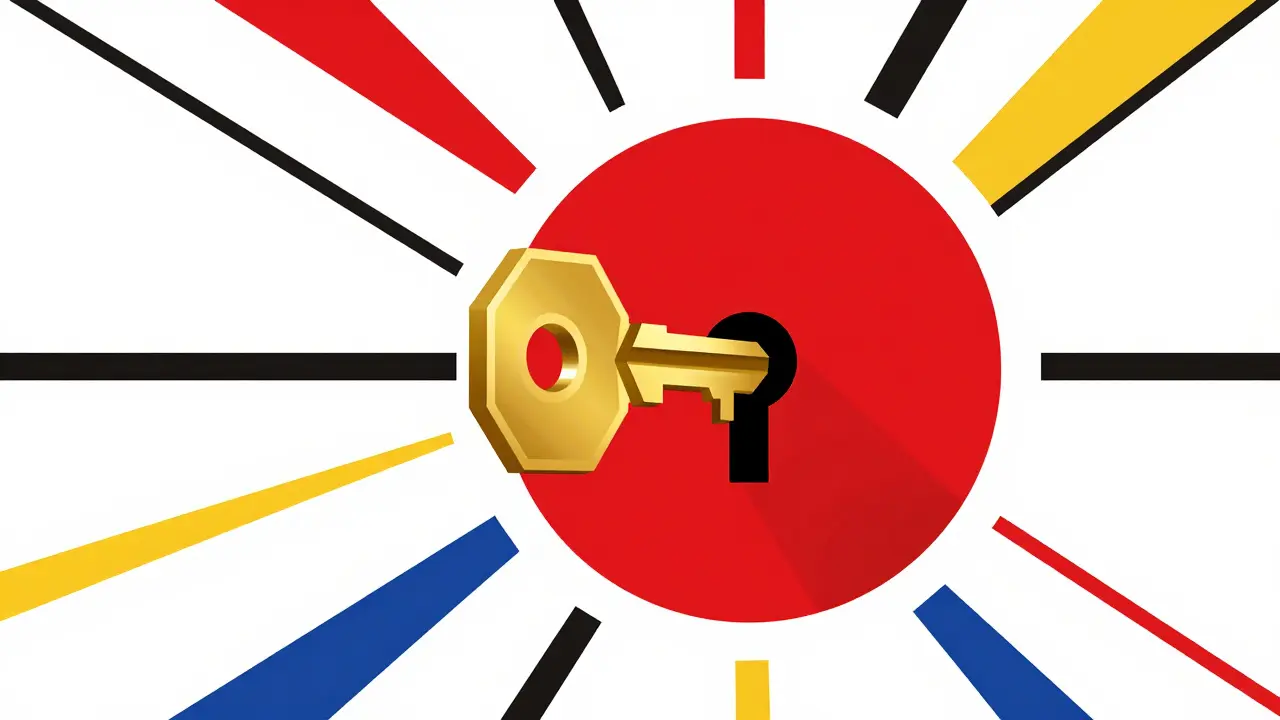
To understand why side effects occur, we first need to look at how drugs work. A drug is designed to bind to a specific molecular target in the body-like a key fitting into a lock. This target could be a receptor, an enzyme, or a protein involved in a disease process. When the drug binds to this intended target, it produces the therapeutic effect you want. However, the story doesn’t end there.
On-target effects occur when the drug does exactly what it is supposed to do, but in the wrong place or to an excessive degree. For example, if a blood pressure medication relaxes blood vessels throughout the entire body, it might lower your dangerous high blood pressure (the goal) but also cause dizziness because your brain isn’t getting enough pressure (the side effect). The mechanism is correct; the context is problematic.
In contrast, Off-target effects happen when the drug interacts with molecular targets other than its primary one. Imagine a master key that opens your front door but also accidentally unlocks your neighbor’s garage. These unintended interactions can trigger completely unrelated biological pathways, leading to adverse reactions that seem random or unpredictable. According to Daniel G. Rudmann’s framework in Toxicologic Pathology, distinguishing these effects is vital for assessing human risk during pharmaceutical development.
How On-Target Side Effects Work
On-target side effects are often predictable because they stem from the drug’s primary mechanism of action. They usually result from the fact that the target molecule exists in multiple tissues, not just the diseased one.
Consider kinase inhibitors used in cancer treatment. Drugs like imatinib (Gleevec) are designed to inhibit the BCR-ABL protein in leukemia cells. This is the on-target effect. However, similar proteins exist in healthy stomach tissue. When the drug inhibits those proteins too, it can cause gastrointestinal issues or fluid retention. Dr. Grace Dy from Roswell Park Cancer Institute notes that skin rashes from MAP kinase pathway inhibitors are classic on-target toxicities-the drug is working correctly, but normal skin cells share the same signaling pathways as tumor cells.
Another common example is metformin, a standard diabetes medication. Its primary on-target effect involves improving insulin sensitivity. However, many patients experience diarrhea. As noted in community discussions among pharmacists, this is often an on-target effect where the drug’s action in the gut is simply too potent, altering local metabolism. These effects are often manageable by adjusting dosage or timing, rather than stopping the drug entirely.
- Predictability: High. Doctors expect these based on the drug class.
- Management: Dose reduction, supportive care, or timing adjustments.
- Example: Hair loss from chemotherapy (targeting rapidly dividing cells, including hair follicles).

The Unpredictable Nature of Off-Target Effects
Off-target effects are trickier. They arise because most drugs are small molecules that can interact with hundreds of different proteins in the body. Research published in Nature Chemical Biology shows that kinase inhibitors, for instance, bind to an average of 25-30 different kinases at therapeutic concentrations. This "promiscuity" is often unavoidable due to the structural similarities between different protein binding sites.
A striking example is the repurposing of sildenafil (Viagra). Originally developed for angina (chest pain), its on-target effect was meant to relax heart blood vessels. Instead, researchers noticed a significant off-target effect: it relaxed penile vasculature much more effectively. While this turned into a massive commercial success, it highlights how off-target interactions can dominate a drug’s profile. Conversely, negative off-target effects can lead to drug failure. Approximately 65% of Phase II clinical trial failures are attributed to unexpected toxicity, largely driven by off-target effects.
Biologics, such as monoclonal antibodies like trastuzumab (Herceptin), generally have fewer off-target effects. A 2018 analysis in Nature Reviews Drug Discovery found that small molecule drugs average 6.3 off-target interactions, while biologics average only 1.2. This is because large antibody molecules are highly specific to their unique target shapes, making accidental binding to unrelated proteins less likely.
| Feature | On-Target Effects | Off-Target Effects |
|---|---|---|
| Mechanism | Interaction with intended target | Interaction with unintended targets |
| Predictability | High (known pharmacology) | Low (often discovered in trials) |
| Dose Relationship | Usually dose-dependent | Can be idiosyncratic or dose-independent |
| Drug Class Prevalence | Common in cardiovascular drugs | Common in kinase inhibitors |
| Management Strategy | Dose adjustment, monitoring | Discontinuation, switching agents |
Why This Matters for Drug Development
The distinction between these effects drives modern pharmaceutical research. Companies invest heavily in screening to minimize off-target interactions. Genentech, for example, uses proprietary KinomeScan technology to map potential off-target bindings early in development. The market rewards this precision: drugs with clean target profiles see 27% higher market penetration and generate 34% more revenue over their patent lifetimes compared to those with messy off-target profiles.
However, total specificity isn’t always the goal. Dr. Ben Cravatt from Scripps Research argues that phenotypic screening-which looks at overall cell behavior rather than single targets-often yields better therapeutic indices. About 60% of first-in-class drugs approved between 1999 and 2013 came from phenotypic screening. Sometimes, a bit of off-target activity is tolerated if the on-target benefit is life-saving. The challenge is finding the right balance.
Regulatory bodies are catching up. The FDA’s 2021 guidance on gene therapy products now requires comprehensive off-target effect characterization using at least two orthogonal methods. Similarly, the European Medicines Agency mandates rigorous testing to ensure that novel therapies don’t inadvertently disrupt critical biological pathways.
Clinical Implications for Patients and Doctors
For clinicians, understanding these mechanisms changes how they manage side effects. If a patient experiences an on-target side effect, the doctor might reduce the dose or add a supportive medication. If it’s an off-target effect, especially one that is severe or unpredictable, discontinuing the drug is often necessary.
Data from the American Society of Clinical Oncology shows that 68% of patients on EGFR inhibitors experience on-target skin toxicities, but only 22% require dose reduction. In contrast, off-target cardiac effects are rarer (12%) but lead to treatment discontinuation in 40% of cases. This distinction helps doctors counsel patients: "This rash is expected and means the drug is working," versus "This heart rhythm change is unexpected and we need to stop."
Patient education is also evolving. Many people confuse all side effects as "bad." Explaining that some side effects are signs of efficacy (on-target) can improve adherence. For instance, mild fatigue from immunotherapy might indicate the immune system is actively engaging, whereas sudden liver enzyme spikes suggest off-target toxicity requiring immediate attention.
Future Directions: AI and Multi-Omics
The future of predicting these effects lies in advanced analytics. The Open Targets Platform 6.0, launched in January 2023, uses machine learning to predict off-target effects with 87% accuracy based on chemical structure. AstraZeneca reported that integrating transcriptomic, proteomic, and metabolomic data reduced off-target toxicity predictions by 42% compared to traditional methods.
We are moving toward systems pharmacology, where AI models simulate how a drug will interact with the entire human proteome before it ever enters a trial. This approach promises to identify risky off-target interactions early, saving billions in failed clinical trials and, more importantly, protecting patients from unforeseen harms. As Dr. Francis Collins noted, our understanding remains primitive compared to human biology’s complexity, but these tools are bridging the gap faster than ever.
What is the simplest way to distinguish on-target from off-target effects?
On-target effects are related to the drug's intended mechanism of action, even if they occur in healthy tissues. Off-target effects result from the drug interacting with unintended molecules or receptors in the body. Think of on-target as "working too well" and off-target as "working on the wrong thing."
Are off-target effects always dangerous?
Not necessarily. Some off-target effects are benign, while others can be beneficial. For example, sildenafil (Viagra) was repurposed because its off-target effect on penile vasculature was therapeutically useful. However, many off-target effects lead to toxicity and drug failure in clinical trials.
Which type of drug has fewer off-target effects?
Biologics, such as monoclonal antibodies, typically have fewer off-target effects than small molecule drugs. Studies show biologics average 1.2 off-target interactions, while small molecules average 6.3, due to the larger size and higher specificity of antibody structures.
How do pharmaceutical companies test for off-target effects?
Companies use techniques like KinomeScan, CRISPR-Cas9 knockout studies, and multi-omics approaches (transcriptomics, proteomics). Regulatory agencies now require at least two orthogonal methods to characterize off-target risks, especially for novel therapies like gene treatments.
Can on-target side effects be avoided?
They cannot always be avoided because the target molecule may exist in both diseased and healthy tissues. However, they can often be managed through dose adjustments, targeted delivery systems, or combination therapies that mitigate the specific adverse reaction without blocking the therapeutic benefit.