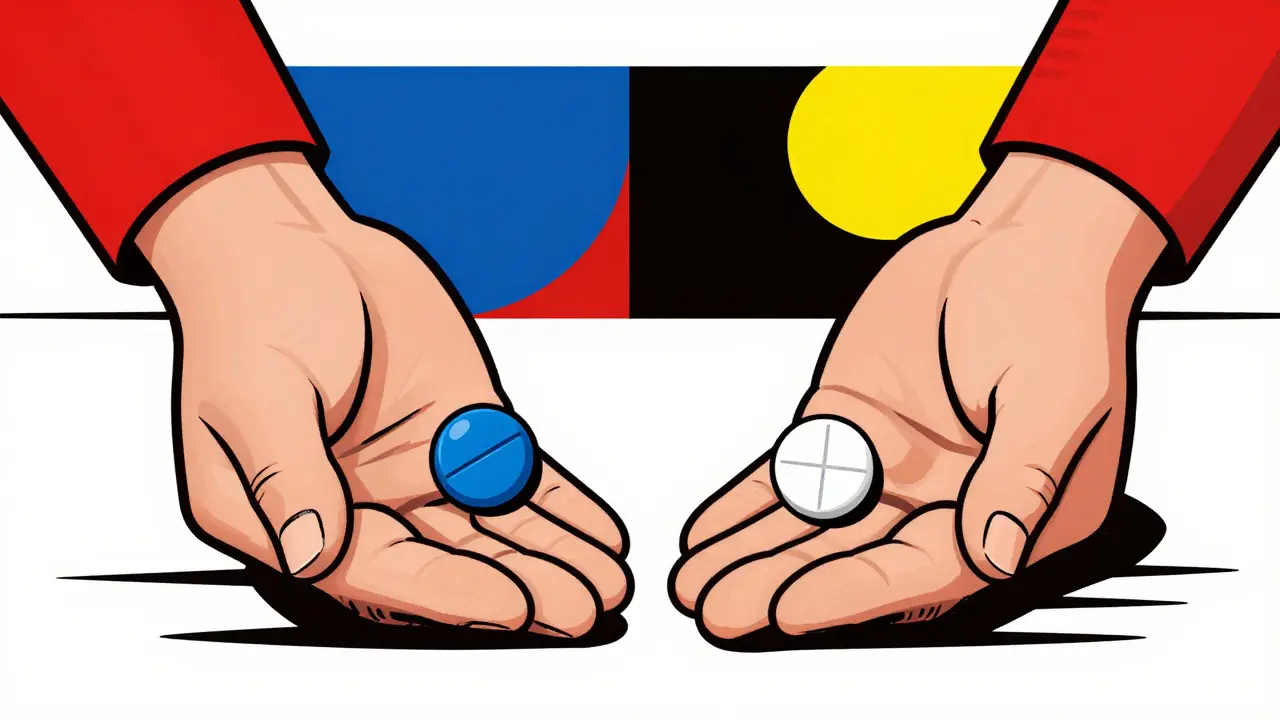
Imagine you are holding two pills in your hand. One is the brand-name drug your doctor prescribed for years. The other is a generic version, identical in active ingredient but different in color or shape. For most people, this switch saves money without changing how they feel. But for an elderly patient, especially one managing multiple chronic conditions, that small change can feel like walking on thin ice. You might wonder: Is it safe? Will it work the same way? These questions aren't just about skepticism; they are rooted in real physiological changes that happen as we age.
The transition from brand-name to generic medications is a cornerstone of modern healthcare economics, yet it presents unique challenges for older adults. While regulatory bodies ensure generics are bioequivalent, the aging body processes drugs differently. This article breaks down the science behind these differences, highlights which drugs require extra caution, and offers practical steps for patients and caregivers to navigate this common medical shift safely.
Why Aging Bodies React Differently to Medications
To understand why switching meds matters more for seniors, we first need to look at what happens inside the body after age 65. It’s not just about memory lapses or slower reflexes; it’s about pharmacokinetics-the study of how the body absorbs, distributes, metabolizes, and excretes drugs.
As we age, several key systems slow down:
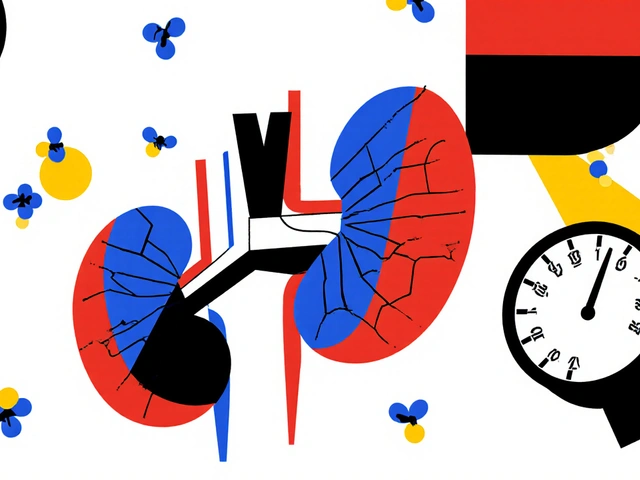
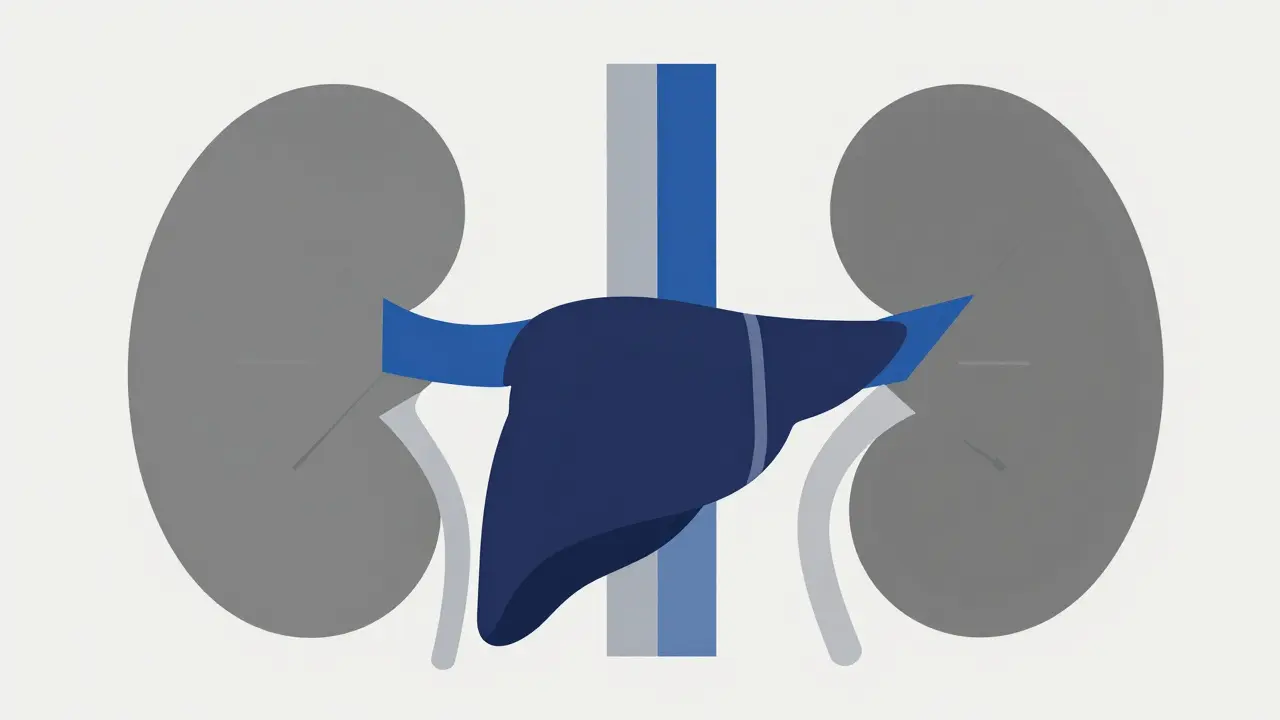
- Kidney Function: By age 85, many individuals have an estimated creatinine clearance below 50 mL per minute. Since kidneys filter drugs from the blood, reduced function means medications stay in the system longer, increasing the risk of toxicity.
- Liver Metabolism: Hepatic blood flow decreases, meaning the liver breaks down drugs more slowly. This can lead to higher concentrations of medication in the bloodstream than intended.
- Body Composition: Older adults often have less muscle mass and more body fat. Drugs that dissolve in fat (lipophilic) may accumulate, while those dissolved in water distribute differently, altering their effectiveness.
- Gastrointestinal Motility: Slower digestion can change how quickly a pill dissolves and enters the bloodstream, potentially affecting the timing of peak drug levels.
These changes create what experts call a "narrow therapeutic window." In simpler terms, the difference between a dose that helps you and a dose that harms you becomes smaller. When you switch from a brand-name drug to a generic, the active ingredient is the same, but inactive ingredients (binders, fillers, dyes) differ. Regulatory agencies allow a bioequivalence margin of 80% to 125%. For a healthy young person, this variance is negligible. For an elderly patient with compromised kidney function, even a slight variation in absorption rate could theoretically push drug levels outside that safe zone.
The Perception Gap: Why Seniors Doubt Generics
Data shows a significant disconnect between scientific consensus and patient belief. A 2023 study published in the Journal of the American Medical Directors Association found that fewer than 50% of hospitalized patients aged 65 and older believed generic drugs were as effective or safe as brand-name versions. Another NIH-funded study revealed that among low-income seniors, one-in-four believed generics were less effective, and one-in-five thought they were less safe.
Why does this doubt persist? Several factors contribute:
- Visual Differences: If your heart pill suddenly changes from blue to white, it feels like a different medicine. This visual cue can trigger the nocebo effect, where negative expectations cause actual physical symptoms.
- Health Literacy Barriers: Approximately 36% of adults aged 65+ have inadequate health literacy. Without clear explanations, complex terms like "bioequivalence" sound like excuses rather than facts.
- Past Negative Experiences: Anecdotal reports, particularly regarding thyroid medications like levothyroxine, circulate widely online. In Reddit threads discussing geriatrics, over 70% of commenters reported symptom return after switching from brand Synthroid to generics.
This perception gap is dangerous because it leads to non-adherence. Noncompliance rates among elderly patients range from 21% to 55%. When patients skip doses or revert to expensive brand names without consulting their doctor, they disrupt their treatment plan, leading to worse health outcomes and higher costs.
High-Risk Medications: When Caution Is Critical
Not all generics carry the same level of risk when switched. Most standard medications for high blood pressure or cholesterol are safe to swap. However, certain classes of drugs require heightened vigilance due to their narrow therapeutic index (NTI). NTI drugs are those where small changes in blood concentration can lead to serious adverse effects or loss of efficacy.
| Drug Class | Common Examples | Risk Factor | Monitoring Requirement |
|---|---|---|---|
| Anticoagulants | Warfarin (Coumadin) | Blood clotting time varies significantly with minor dosage changes | Frequent INR testing for 4-6 weeks post-switch |
| Thyroid Hormones | Levothyroxine (Synthroid) | Hormone levels must remain stable to prevent metabolic issues | TSH blood tests 6-8 weeks after switching manufacturers |
| Anti-seizure Medications | Phenytoin, Carbamazepine | Sub-therapeutic levels can trigger seizures | Serum drug level monitoring and seizure frequency tracking |
| Immunosuppressants | Cyclosporine, Tacrolimus | Rejection of transplanted organs if levels drop | Rigorous trough level monitoring |
Dr. Michael Steinman, a professor of medicine at UCSF, highlighted in a 2023 review that switching warfarin formulations was associated with an 18.3% higher risk of emergency department visits within 30 days. The American Geriatrics Society explicitly recommends against automatic substitution of brand warfarin with generic equivalents without close International Normalized Ratio (INR) monitoring. If you or a loved one takes any of these medications, do not assume a switch is seamless. Proactive monitoring is essential.
Polypharmacy and the Risk of Adverse Drug Events
One of the biggest dangers for elderly patients isn't just the generic switch itself, but the context in which it happens: polypharmacy. Defined as the concurrent use of five or more medications, polypharmacy affects nearly 46% of Medicare beneficiaries aged 65 and older.
When you take many drugs, the potential for interactions multiplies. A 2024 systematic review in JAMA Network Open confirmed that polypharmacy significantly increases susceptibility to adverse drug events (ADEs). Here’s where generics complicate things further:
- Cumulative Variance: If a patient takes eight medications, and each generic has a slight variance in absorption, the combined effect might alter overall drug exposure more than expected.
- OTC Interactions: More than 50% of dangerous drug interactions in seniors involve over-the-counter (OTC) medications. Common drugs like ibuprofen, aspirin, and acetaminophen are often taken alongside prescription generics. For example, taking generic naproxen with warfarin dramatically increases bleeding risk.
- Confusion Over Dosing: With multiple pills, some looking similar due to generic manufacturing standards, patients may accidentally double-dose or miss doses entirely.
The Beers Criteria and STOPP/START criteria are clinical guidelines used to identify potentially inappropriate medications (PIMs) for older adults. Studies show that using PIMs increases the risk of ADE-related hospitalization by 91%. When switching to generics, doctors should simultaneously review the entire medication list to deprescribe unnecessary drugs, reducing the overall burden on the aging body.
Practical Steps for Safe Transitions
If you are an elderly patient or caring for someone who is, here is how to manage the switch to generics safely and confidently.
1. Use the "Teach-Back" Method
The Agency for Healthcare Research and Quality (AHRQ) recommends the teach-back method to confirm understanding. After your pharmacist explains the new generic, repeat the information back to them in your own words. Ask: "How is this pill different from the last one?" and "What side effects should I watch for specifically during the first week?" This simple step improves adherence by 42%.
2. Monitor Closely for NTI Drugs
If you are on warfarin, levothyroxine, or anti-seizure meds, schedule follow-up lab tests sooner than usual after a switch. Do not wait for your next annual checkup. Keep a daily log of symptoms, such as unusual bruising, fatigue, or mood changes, and share this with your doctor.
3. Consolidate Your Pharmacies
Use a single pharmacy for all prescriptions. This allows the pharmacist’s computer system to flag potential interactions between your new generic and existing medications. It also ensures consistency in the manufacturer of your generics, reducing the chance of unexpected formulation changes.
4. Leverage Technology
Computerized clinical decision support systems (CDSS) help doctors prescribe safely, but patients can use apps too. Set up reminders for each medication. Some apps allow you to photograph your pills, creating a visual record that helps distinguish between similar-looking generics.
5. Communicate Openly with Providers
If you feel worse after switching, speak up immediately. Don’t just stop taking the medication. Your provider may need to adjust the dose slightly or switch you back to the brand name if insurance permits. Remember, cost savings ($327 annually on average per patient) are important, but safety comes first.
The Future of Generic Prescribing in Geriatrics
The landscape is evolving. The FDA released draft guidance in 2022 requiring additional bioequivalence studies for complex generics, particularly those with narrow therapeutic indices. This aims to address the specific concerns of vulnerable populations like the elderly. Additionally, the American Geriatrics Society is updating its Geriatric ED Guidelines to include stronger recommendations for pharmacist-led deprescribing programs.
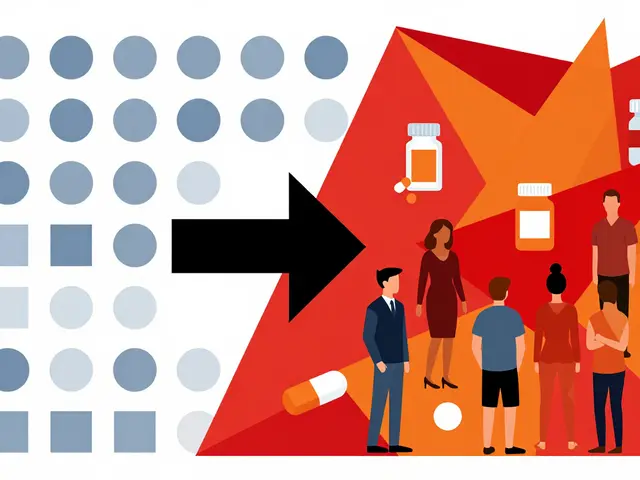
Market data shows that generic utilization continues to rise, with 89.2% of Medicare Part D prescriptions being generic in 2022. By 2030, this figure is projected to reach 93.5%. As generics become even more dominant, education becomes the critical bridge between cost-effective care and patient safety. The goal is not to avoid generics, but to use them intelligently, with awareness of how aging physiology interacts with pharmaceutical formulations.
Are generic medications always safe for elderly patients?
For most medications, yes. Generics contain the same active ingredients and meet strict bioequivalence standards. However, for drugs with a narrow therapeutic index (like warfarin or levothyroxine), switching requires careful monitoring because aging bodies process drugs differently, making small variations in absorption more significant.
Why do some seniors feel worse after switching to generics?
This can be due to the nocebo effect (negative expectations causing symptoms), differences in inactive ingredients affecting digestion, or genuine physiological sensitivity due to reduced kidney or liver function. It is crucial to report these feelings to a doctor rather than stopping the medication abruptly.
What is polypharmacy, and why is it risky for older adults?
Polypharmacy is the use of five or more medications simultaneously. It is risky because it increases the likelihood of drug-drug interactions, adverse events, and confusion. In elderly patients with declining organ function, the cumulative effect of multiple drugs can lead to hospitalization or functional decline.
Should I ask my doctor to keep me on brand-name drugs?
Generally, no, unless you are on a narrow therapeutic index drug or have had documented adverse reactions to specific generic formulations. Brand-name drugs are significantly more expensive, and generics are rigorously tested for equivalence. Discuss your concerns with your provider to find the best balance of cost and comfort.
How can I reduce the risk of errors when taking multiple generics?
Use a single pharmacy for all prescriptions to enable interaction checks. Use pill organizers or smartphone apps for reminders. Ask your pharmacist to label bottles clearly with the purpose of the drug (e.g., "for blood pressure") rather than just the name. Regularly review your medication list with your doctor to deprescribe unnecessary drugs.