
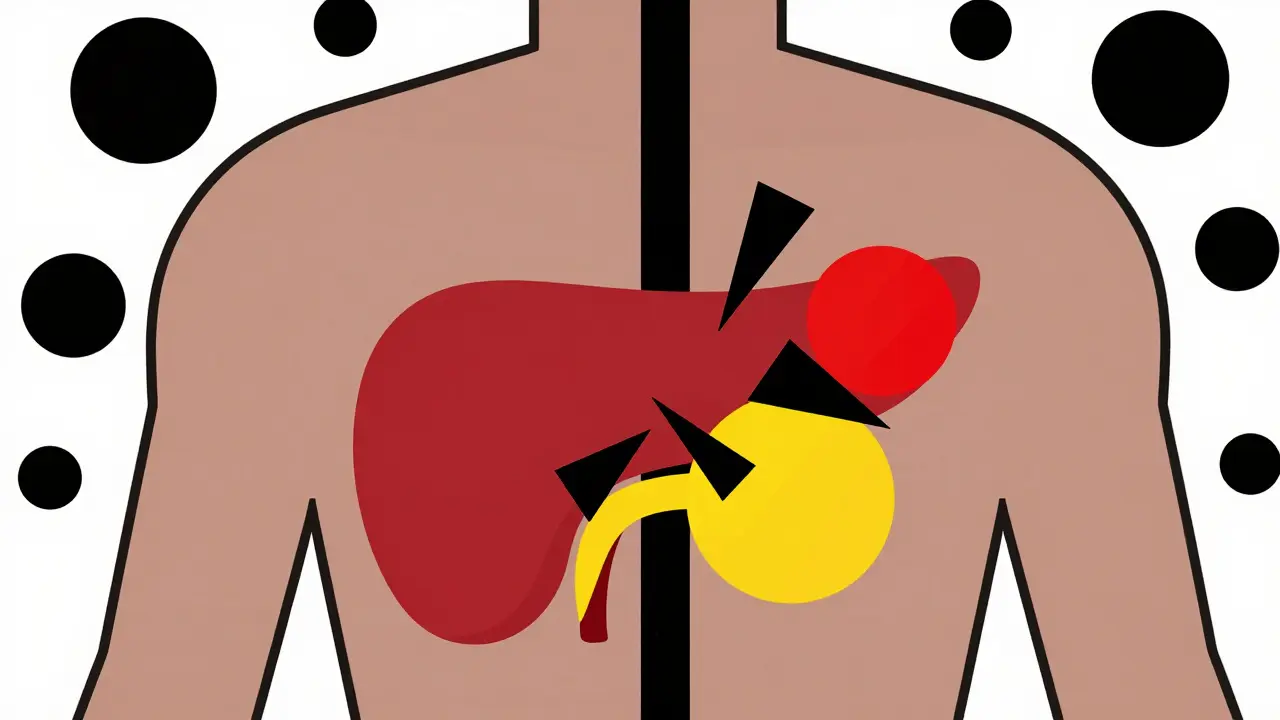
Imagine your body’s own defense system turning against its fuel supply. That is exactly what happens in Type 1 Diabetes, a chronic autoimmune condition where the immune system destroys insulin-producing cells in the pancreas. It is not just about high blood sugar; it is a complex battle involving genetics, environmental triggers, and the delicate balance of pancreatic health. While most people associate diabetes with diet or weight, Type 1 is fundamentally different. It requires lifelong insulin because the pancreas stops making this vital hormone entirely.
Managing this disease goes beyond checking numbers on a screen. It involves understanding the autoimmune nature of the condition, recognizing rare complications like Autoimmune Pancreatitis, and leveraging modern technology to keep blood glucose in a safe range. Whether you are newly diagnosed, caring for a child, or simply trying to understand the science behind the headlines, knowing how these pieces fit together can change how you approach daily care.
Understanding the Autoimmune Attack on the Pancreas
To manage Type 1 Diabetes effectively, you first need to know what is happening inside the body. The pancreas has two main jobs: producing digestive enzymes (exocrine function) and producing hormones like insulin (endocrine function). In Type 1 Diabetes, the immune system specifically targets the beta cells in the islets of Langerhans, which are responsible for insulin production.
This process is driven by autoreactive T-cells that infiltrate the pancreas, a phenomenon known as insulitis. These cells attack specific antigens, including insulin itself, GAD65, IA-2, and ZnT8. This destruction does not happen overnight. Research from the TrialNet consortium shows the disease progresses through three stages:
- Stage 1: Two or more pancreatic autoantibodies are present, but blood sugar levels remain normal. This affects about 0.4% of the general population.
- Stage 2: Autoantibodies are still present, but blood sugar regulation begins to fail (dysglycemia), though no symptoms are felt yet. This stage affects roughly 0.15% of people.
- Stage 3: Symptomatic hyperglycemia appears, requiring immediate insulin therapy to prevent diabetic ketoacidosis (DKA).
Genetics play a huge role here. Variations in HLA class II genes, particularly the DR3/DR4 haplotypes, increase risk by 20 to 30 times compared to the general population. However, genes alone do not cause the disease. Environmental triggers, such as enteroviral infections like coxsackievirus B, often spark the immune response. A 2019 meta-analysis found a 58% increased risk when enterovirus RNA was detected in the blood during the phase before symptoms appeared.
Distinguishing Type 1 Diabetes from Other Pancreatic Conditions
One of the most confusing aspects of pancreatic health is the overlap between different conditions. People often confuse Type 1 Diabetes with Type 2 Diabetes or even Autoimmune Pancreatitis (AIP). Understanding these differences is critical for proper treatment.
| Feature | Type 1 Diabetes (T1D) | Type 2 Diabetes (T2D) | Autoimmune Pancreatitis (AIP) |
|---|---|---|---|
| Primary Issue | Absolute insulin deficiency due to beta-cell destruction | Insulin resistance and relative insulin deficiency | Inflammation of the exocrine pancreas |
| Immune Mechanism | T-cell mediated destruction of endocrine cells | Metabolic dysfunction, not primarily autoimmune | Lymphoplasmacytic infiltration of exocrine tissue |
| C-Peptide Levels | Very low (<0.2 nmol/L at diagnosis) | Normal or high initially | Variable; may be low if endocrine function is affected |
| Key Treatment | Lifelong exogenous insulin | Lifestyle changes, oral meds, sometimes insulin | Corticosteroids (for Type 1 AIP) |
| Prevalence | ~5-10% of all diabetes cases | ~90-95% of all diabetes cases | Rare; ~0.3% co-occurrence with T1D |
Autoimmune Pancreatitis is a distinct entity where the immune system attacks the exocrine part of the pancreas, leading to swelling and inflammation. It is classified into two types: Type 1 (IgG4-related) and Type 2 (associated with inflammatory bowel disease). While rare, there is a small subset of patients who have both Type 1 Diabetes and AIP. This dual diagnosis requires careful coordination between endocrinologists and gastroenterologists, as corticosteroids used to treat AIP can spike blood sugar levels, complicating insulin management.
Modern Management Strategies: Insulin and Technology
Living with Type 1 Diabetes means replacing what the body cannot produce. The American Diabetes Association (ADA) recommends a comprehensive approach that includes multiple daily injections (MDI) or insulin pump therapy, combined with continuous glucose monitoring (CGM). The goal is to maintain hemoglobin A1c levels below 7.0% for most adults while minimizing hypoglycemic events.
Insulin regimens typically involve two types of insulin:
- Basal Insulin: Long-acting analogs like insulin glargine U-300 provide a steady background level of insulin throughout the day and night.
- Bolus Insulin: Rapid-acting analogs like insulin aspart are taken before meals to cover carbohydrate intake.
For newly diagnosed patients, doctors often start with a total daily dose of 0.5 units per kilogram of body weight, split evenly between basal and bolus insulin. This is then adjusted based on frequent glucose readings.
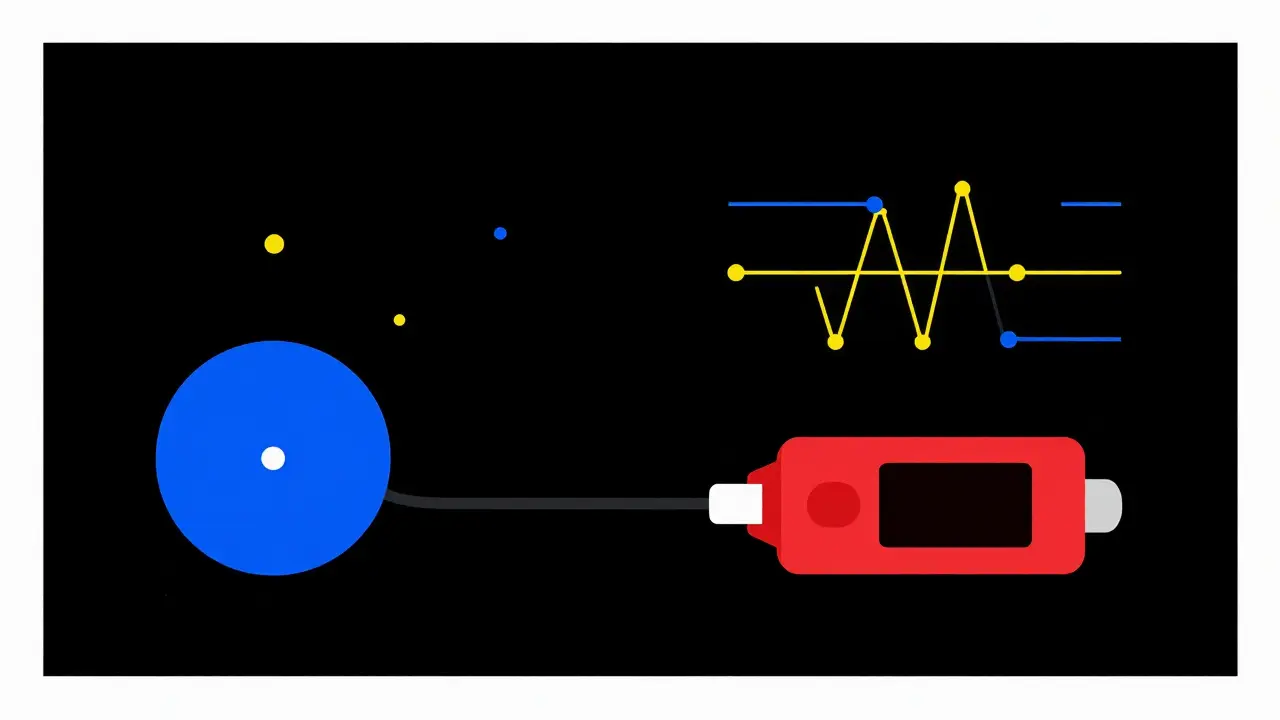
Technology has revolutionized this process. Continuous Glucose Monitors (CGMs), such as the Dexcom G7, send real-time data to smartphones or receivers. Studies show that CGM use reduces HbA1c by 0.4-0.6% and cuts hypoglycemic events by 40-50%. Even more advanced are closed-loop systems, often called artificial pancreases. Devices like Tandem’s Control-IQ automatically adjust insulin delivery based on CGM readings. Clinical trials report that these systems keep blood glucose in the target range (70-180 mg/dL) 71-74% of the time, compared to just 51-55% with older sensor-augmented pumps.
Emerging Therapies and Disease Modification
For decades, Type 1 Diabetes management focused solely on symptom control. Now, we are entering an era of disease modification. The FDA approved teplizumab (brand name Tzield) in November 2022 as the first therapy designed to delay the onset of Stage 3 Type 1 Diabetes. In the PROTECT trial, teplizumab delayed clinical diagnosis by a median of 29.8 months in high-risk individuals with Stage 2 disease.
Other promising avenues include:
- Verapamil: A repurposed calcium channel blocker that showed promise in preserving C-peptide (a marker of remaining beta-cell function) in recent-onset patients.
- Stem Cell Therapy: Vertex Pharmaceuticals’ VX-880 trial reported that 89% of participants achieved insulin independence within 90 days after receiving stem cell-derived islet cells. While still experimental, this offers hope for a functional cure.
- Immunotherapies: Drugs like abatacept (CTLA-4-Ig) have been shown to reduce the decline of C-peptide by 59% over two years in some studies, suggesting that modulating the immune system can protect remaining beta cells.
The future of management likely lies in combination therapies-using immunotherapy to stop the autoimmune attack while simultaneously supporting residual beta-cell function or replacing lost cells.
Nutrition, Lifestyle, and Gut Health
While diet does not cause Type 1 Diabetes, it plays a crucial role in management. Carbohydrate counting remains the cornerstone of meal planning, allowing patients to match insulin doses to food intake. However, emerging research highlights the gut-pancreas axis. A 2022 study in Nature Microbiology found that 67% of people with Type 1 Diabetes have altered gut microbiota, specifically a reduction in butyrate-producing bacteria like Faecalibacterium prausnitzii. This microbial imbalance correlates with faster beta-cell decline.
Incorporating fiber-rich foods, fermented products, and a diverse plant-based diet may support gut health, potentially influencing immune responses. Additionally, regular physical activity improves insulin sensitivity, meaning less insulin is needed to manage post-meal blood sugar spikes. However, exercise can also lower blood sugar unexpectedly, so monitoring is essential during and after workouts.
Emergency Preparedness: Recognizing DKA
Diabetic Ketoacidosis (DKA) is a life-threatening complication that occurs when there is not enough insulin to allow glucose into cells. The body starts breaking down fat for energy, producing acidic ketones. DKA is common at diagnosis, occurring in 20-30% of newly diagnosed children.
Signs of DKA include:
- Persistent nausea and vomiting
- Abdominal pain
- Fruity-smelling breath
- Rapid breathing
- Confusion or extreme fatigue
If you suspect DKA, check for ketones using urine strips or a blood meter. If ketones are moderate to large, seek emergency medical attention immediately. Treatment involves intravenous fluids and insulin, along with careful electrolyte monitoring to prevent complications like cerebral edema.
Cost and Healthcare Access
The financial burden of Type 1 Diabetes is significant. In the United States, annual healthcare costs average $19,743 per patient, with insulin accounting for 33% of direct expenses ($9,601 annually for analogs). Rapid-acting insulins cost 3 to 5 times more than human insulin, despite similar efficacy. This disparity creates access issues for many families. Advocacy groups and new legislation aim to cap insulin prices, but until then, exploring patient assistance programs and generic alternatives where appropriate is vital.
Is Type 1 Diabetes caused by eating too much sugar?
No. Type 1 Diabetes is an autoimmune disease, not a lifestyle disorder. It is caused by the immune system destroying insulin-producing beta cells in the pancreas. Diet and exercise do not cause or prevent Type 1 Diabetes, although they are critical for managing blood sugar levels after diagnosis.
What is the difference between Type 1 Diabetes and Autoimmune Pancreatitis?
Type 1 Diabetes affects the endocrine pancreas (insulin production), while Autoimmune Pancreatitis (AIP) primarily affects the exocrine pancreas (digestive enzymes). They are distinct conditions, though rarely they can co-occur. AIP is treated with corticosteroids, whereas Type 1 Diabetes requires lifelong insulin therapy.
Can Type 1 Diabetes be cured?
Currently, there is no widespread cure for Type 1 Diabetes. However, treatments like teplizumab can delay its onset, and experimental therapies like stem cell transplants (e.g., Vertex’s VX-880) have shown promise in restoring insulin production in clinical trials. For now, management relies on insulin replacement and technology.
How effective are artificial pancreas systems?
Closed-loop systems, such as Tandem’s Control-IQ, are highly effective. Studies show they keep blood glucose in the target range (70-180 mg/dL) approximately 71-74% of the time, significantly better than traditional pumps or multiple daily injections. They reduce the mental burden of constant decision-making and lower the risk of hypoglycemia.
What should I do if I suspect Diabetic Ketoacidosis (DKA)?
If you experience symptoms like nausea, abdominal pain, fruity breath, or confusion, check your blood sugar and ketone levels immediately. If ketones are moderate to large, seek emergency medical care right away. DKA is a medical emergency that requires IV fluids and insulin to correct dangerous acid levels in the blood.