Metformin & Alcohol Risk Estimator
Your Profile
Drinking Scenario
Risk Assessment
Why this level?
- Enter your details to see specific risk factors.
Recommendation
Please input your profile information to receive personalized safety guidelines.
You take your metformin, a standard pill for managing type 2 diabetes, every morning. Later that evening, you join friends for a few drinks. It seems harmless enough, right? Most people assume that as long as they aren't binge drinking, a glass of wine or a beer is fine. But this common habit hides a rare yet serious danger: lactic acidosis.
The combination of metformin and alcohol isn't just about feeling sick the next day. It can trigger a metabolic crisis where lactate builds up in your blood faster than your body can remove it. While the risk is low for most people with healthy kidneys, the consequences are severe. Lactic acidosis has a mortality rate between 30% and 50%. This article breaks down exactly why this happens, who is at risk, and how to stay safe without giving up social life entirely.
Why Metformin and Alcohol Don't Mix Well
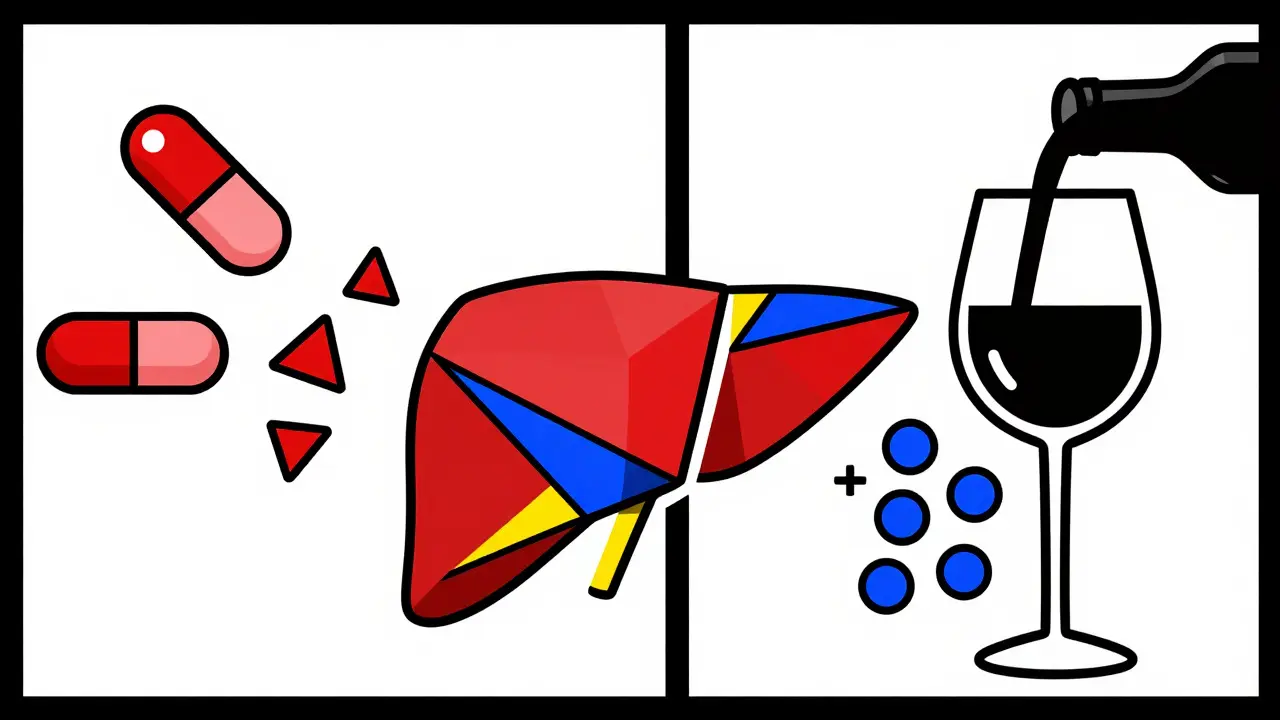
To understand the risk, you need to look at how these two substances interact with your liver. Your liver is the primary factory for cleaning lactate from your bloodstream. Normally, it converts lactate back into glucose or burns it for energy. Metformin works by slowing down the production of new glucose in the liver (gluconeogenesis). This process naturally increases the amount of lactate in your system slightly.
Alcohol complicates this picture significantly. When you drink, your liver prioritizes breaking down ethanol because it views alcohol as a toxin. To do this, it uses up nicotinamide adenine dinucleotide (NAD+), a crucial coenzyme needed for processing lactate. With NAD+ depleted, the liver’s ability to clear lactate drops sharply. If you are taking metformin, which already pushes more lactate into the blood, and then add alcohol, which stops the liver from removing it, you create a perfect storm. The lactate levels rise, turning your blood acidic.
| Substance | Primary Mechanism | Effect on Blood Lactate |
|---|---|---|
| Metformin | Inhibits hepatic gluconeogenesis | Increases production |
| Alcohol | Depletes NAD+ during oxidation | Decreases clearance |
| Combined Use | Synergistic blockage of lactate metabolism | Rapid accumulation (Risk of Acidosis) |
This synergistic effect is what doctors warn against. It’s not necessarily about one single drink causing immediate harm in a healthy person, but rather the cumulative stress on your metabolic pathways. The FDA includes a black box warning-the strongest warning available-on all metformin labels specifically citing excessive alcohol intake as a major risk factor for this condition.
Recognizing the Symptoms of Lactic Acidosis
Lactic acidosis doesn’t always announce itself with obvious signs. In fact, many patients mistake early symptoms for a bad hangover or a stomach bug. This delay in seeking help can be fatal. According to data from Medical News Today, nearly 70% of patients who developed lactic acidosis initially attributed their symptoms to alcohol withdrawal or general malaise.
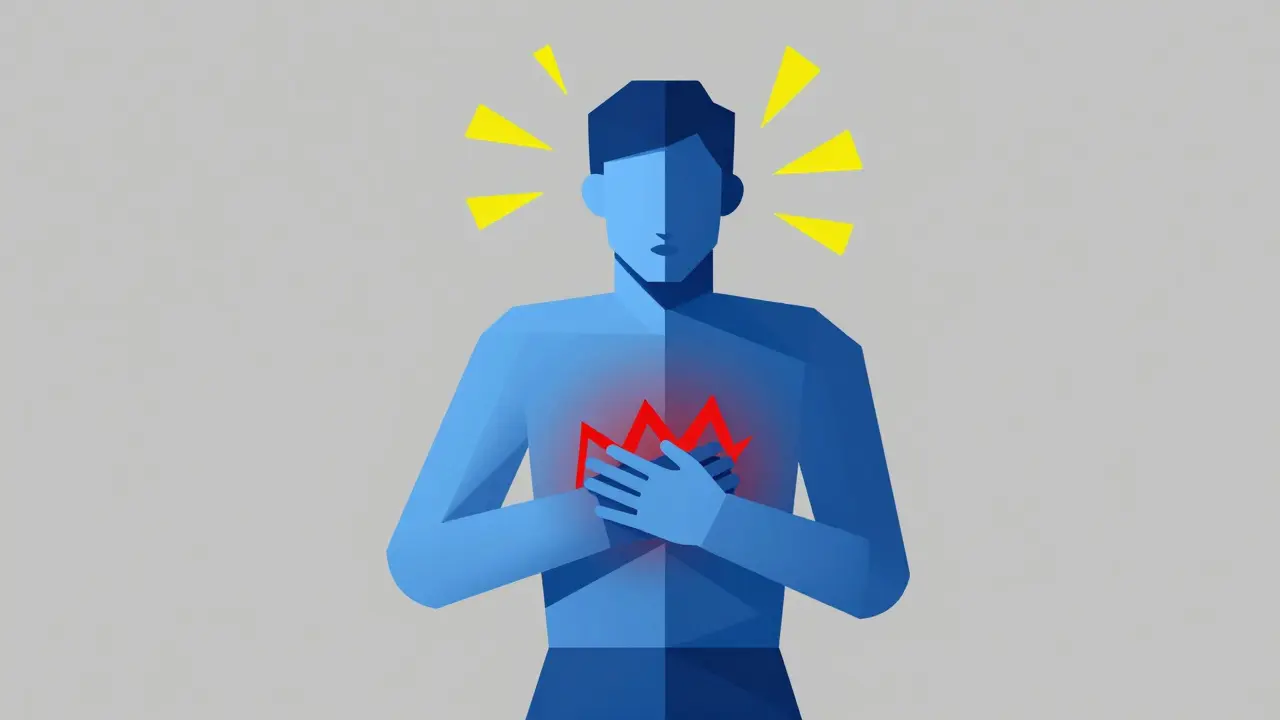
You need to watch for specific red flags that differ from typical drunkenness:
- Severe muscle pain or cramping: Unlike normal soreness, this feels deep and intense, often described as a burning sensation in the limbs.
- Rapid or shallow breathing: Your body tries to compensate for acidic blood by exhaling more carbon dioxide. You might feel like you can’t get enough air.
- Persistent nausea and vomiting: If you’ve stopped drinking but still can’t keep fluids down, this is a warning sign.
- Cold or clammy skin: Despite feeling feverish or flushed, your extremities may turn cold due to poor circulation.
- Dizziness or extreme fatigue: A sudden drop in energy that doesn’t match your activity level.
If you experience any of these after drinking while on metformin, do not wait. Go to the emergency room immediately. Tell them you are on metformin and have been drinking. Early treatment involves dialysis and bicarbonate therapy to correct the pH balance, which can save your life.
Who Is Most at Risk?
Not everyone who takes metformin and has a beer will develop lactic acidosis. The incidence is roughly 0.03 cases per 1,000 patient-years. However, certain groups face a much higher probability of this reaction.
The biggest risk factor is kidney function. Metformin is excreted almost entirely unchanged by the kidneys. If your kidneys aren’t filtering well, metformin builds up in your system. High levels of the drug combined with alcohol drastically increase the chance of lactate accumulation. The FDA recommends checking kidney function (eGFR) regularly before prescribing or continuing metformin.
Other high-risk groups include:
- Elderly patients: Natural decline in kidney function and liver efficiency makes older adults more vulnerable.
- People with liver disease: Since the liver clears lactate, existing conditions like hepatitis or cirrhosis remove a critical safety net.
- Those with heart failure: Poor cardiac output reduces blood flow to the liver and kidneys, impairing both drug clearance and lactate metabolism.
- Binge drinkers: Consuming four or more drinks (for women) or five or more (for men) within two hours overwhelms the system regardless of kidney health.
Even people with normal kidney function are not immune. Case studies, including one published in PMC in 2024, document instances of metformin-associated lactic acidosis (MALA) in patients with no prior renal issues who engaged in heavy episodic drinking. This proves that alcohol alone can be the tipping point.
Practical Guidelines for Safe Consumption
So, does this mean you must quit alcohol completely? For most patients with stable type 2 diabetes and healthy kidneys, moderate consumption is considered acceptable by experts like Dr. Robert Rizza from Mayo Clinic. However, "moderate" needs strict definition. There is no clinical threshold that guarantees zero risk, so caution is key.
Here is a practical approach to minimizing risk:
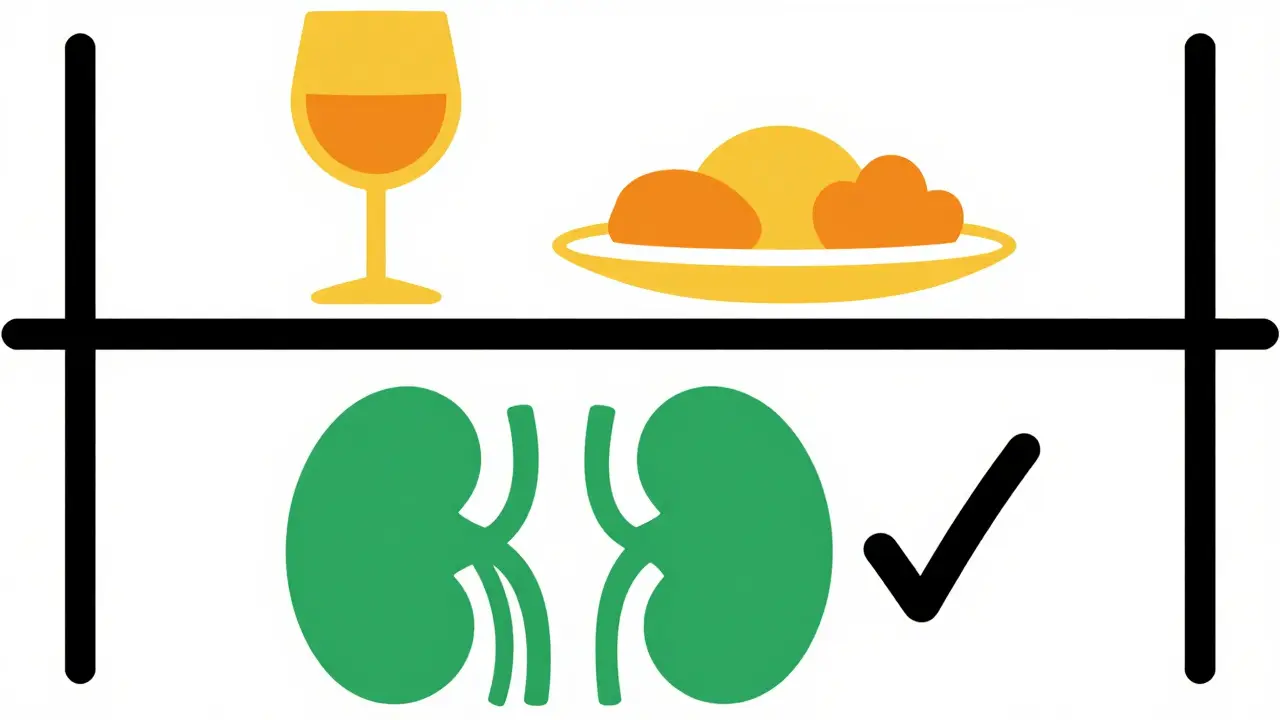
- Define Moderate: Stick to one drink per day for women and up to two for men. Never exceed this limit.
- Avoid Binge Drinking: Spacing out drinks over several days is safer than consuming multiple servings in one night.
- Eat Before Drinking: Never consume alcohol on an empty stomach. Food slows absorption and helps stabilize blood sugar, reducing the strain on your liver.
- Monitor Kidney Health: Ensure your doctor checks your eGFR annually. If your kidney function declines, you may need to stop metformin or avoid alcohol entirely.
- Watch for Hypoglycemia: Alcohol lowers blood sugar. Metformin generally doesn’t cause hypoglycemia on its own, but if you are on other diabetes meds (like insulin or sulfonylureas), the combo can drop your sugar dangerously low. Always check your levels before bed.
Consider non-alcoholic alternatives for social events. Many breweries now offer high-quality non-alcoholic beers that satisfy the ritual without the metabolic impact. This eliminates the variable entirely while allowing you to participate socially.
Long-Term Considerations and Alternatives
If you find yourself unable to limit alcohol intake, talk to your doctor about alternative diabetes medications. Newer classes of drugs, such as SGLT2 inhibitors (e.g., empagliflozin) or GLP-1 receptor agonists (e.g., semaglutide), do not carry the same risk of lactic acidosis. Their side effect profiles are different-often involving gastrointestinal upset or urinary tract infections-but they may offer more flexibility regarding lifestyle choices.
Additionally, be aware of Vitamin B12 deficiency. Long-term metformin use can lower B12 levels, and alcohol also interferes with B12 absorption. Deficiency can lead to nerve damage and anemia, mimicking some symptoms of diabetic neuropathy. Ask your doctor to test your B12 levels periodically, especially if you drink regularly.
Can I have one glass of wine with dinner while taking metformin?
For most patients with healthy kidney and liver function, one glass of wine is generally considered safe. However, you should eat food with your drink and monitor how you feel. If you have any history of kidney issues or liver disease, consult your doctor first. The key is moderation and avoiding binge patterns.
What are the first signs of lactic acidosis?
Early signs include unusual muscle pain, rapid breathing, stomach discomfort, nausea, and a feeling of being unusually cold or dizzy. These symptoms can mimic a hangover, so if they persist after you've sobered up or seem disproportionately severe, seek medical attention immediately.
Does metformin make you drunk faster?
Metformin does not directly increase intoxication speed. However, because it affects blood sugar regulation, alcohol-induced hypoglycemia can occur more easily. Low blood sugar can cause dizziness and confusion, which may feel similar to being drunk but is actually a dangerous metabolic state requiring sugar intake.
Is lactic acidosis from metformin reversible?
Yes, if treated promptly. Treatment typically involves hospitalization, intravenous fluids, and sometimes dialysis to remove metformin and correct the acid-base imbalance. Delaying treatment significantly increases the risk of organ failure and death.
Should I stop taking metformin if I plan to go on a vacation where I'll drink?
Do not stop your medication without consulting your doctor. Abruptly stopping diabetes medication can cause blood sugar spikes. Instead, discuss your travel plans with your healthcare provider. They may advise temporary adjustments or suggest strict limits on alcohol consumption during your trip.