
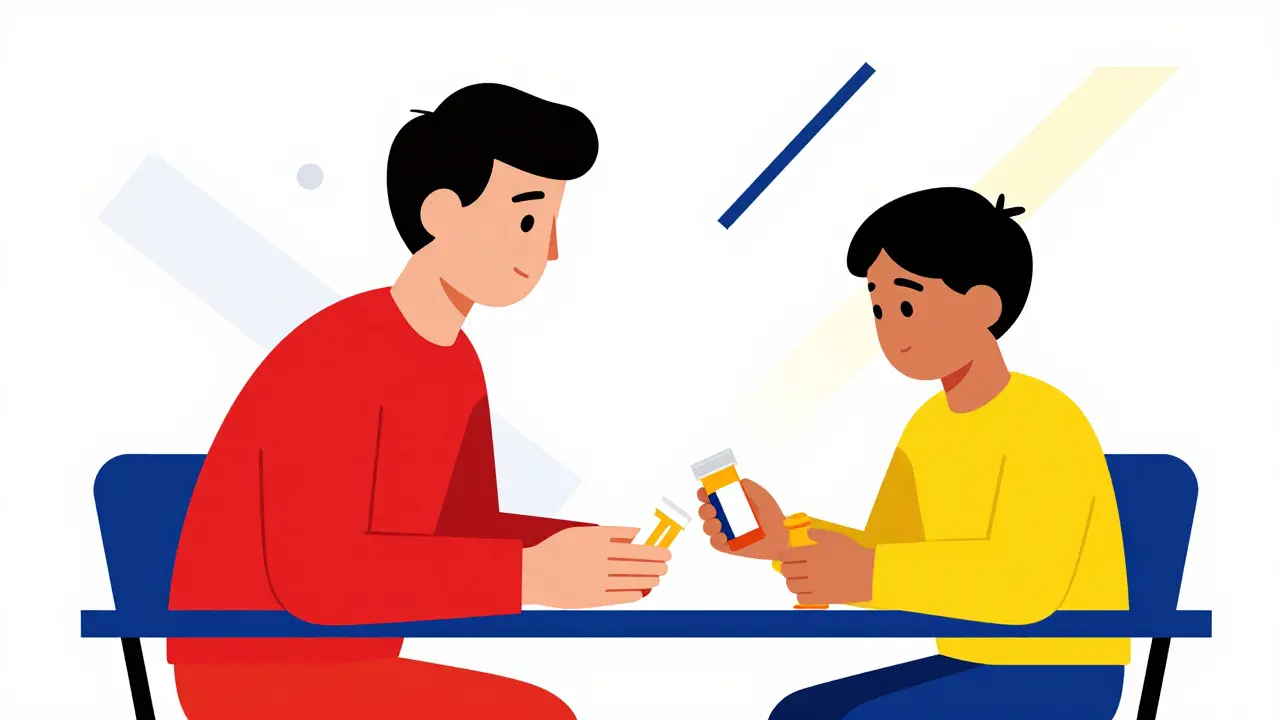
Handing over the pill bottle to your teenager can feel like a leap of faith. One day you're the one counting doses and setting alarms; the next, they're heading to college or starting a job, and their health is entirely in their own hands. But if the transition happens too fast, it's a recipe for missed doses or, worse, dangerous misuse. If it happens too slowly, they'll hit adulthood without the basic skills needed to navigate a pharmacy or a doctor's visit.
The goal isn't just to make sure they take their medicine-it's to build a sustainable habit of prescription medication management. According to Dr. Allison Baker, a child and adolescent psychiatrist, this process should ideally start around the junior year of high school. This gives them a safety net while they're still under your roof to fail, learn, and correct their mistakes before the stakes get higher.
Quick Takeaways for Parents
- Start the transition in 10th or 11th grade to build habits before college.
- Pair medication with existing habits (like brushing teeth) to boost adherence.
- Use digital tools like Medisafe or smartphone alarms for reminders.
- Maintain strict parental control over painkillers and controlled substances.
- Move from direct supervision to "spot-checks" over a three-year period.
Why the Transition Matters Now
It's easy to think, "My kid is responsible, they'll be fine." However, the gap between being a "good kid" and managing a chronic health condition is wide. The American Academy of Pediatrics is a professional association of pediatricians that provides guidance on child and adolescent health emphasizes that structured education reduces the risk of prescription drug misuse. This isn't just about medical errors; it's about safety. Data from the 2022 Monitoring the Future study shows that roughly 14% of high school seniors have misused prescription drugs.
Many teens believe that if a doctor prescribed it, the drug is inherently safe. The DEA's "Prescription for Disaster" report found that 70% of teens mistakenly believe prescription meds are safer than illicit street drugs. By teaching them the "why" and the "how" of their specific medication, you're not just managing a symptom-you're providing a critical layer of protection against addiction and overdose.
Phase 1: The Knowledge Build (10th Grade)
Before a teen can manage a schedule, they need to understand the tool. In the first phase, focus on identification and purpose. Don't just tell them to "take the blue pill." Instead, sit down together and read the prescription labels. Encourage them to ask their doctor specific questions: "What exactly does this do in my body?" and "What happens if I miss a dose?"
At this stage, you are still the primary manager, but your teen is the "assistant." Have them help you organize the medications and document the information. This is where they learn the difference between a generic and a brand-name drug and understand the importance of dosage timing. If they're taking something for a chronic condition, like asthma or ADHD, this is the time to discuss how the medication interacts with their daily energy levels and focus.
Phase 2: Establishing the Routine (11th Grade)
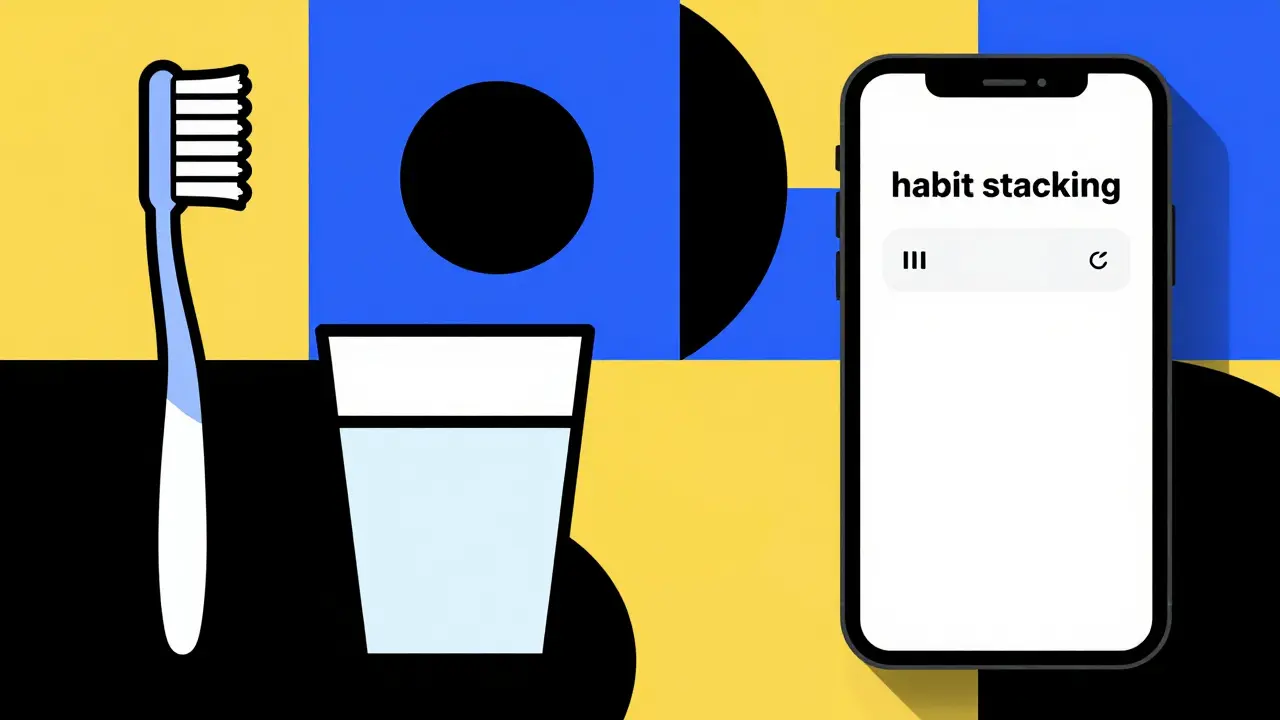
Once they know what the medicine is, the challenge becomes consistency. This is where behavioral psychology comes in. Research from the University of Rochester Medical Center shows that "habit stacking"-pairing a new task with an old one-increases adherence by 37%. Instead of a random time, tell them to take their meds immediately after they brush their teeth or right before they plug in their phone for the night.
Now is the time to introduce organizational tools. A simple pill organizer is a classic, but for most teens, the smartphone is the center of their world. Using Medisafe is a medication management app that provides reminders, refill notifications, and adherence tracking or similar tools can improve adherence rates by 28%.
| Tool | Best For | Pros | Cons |
|---|---|---|---|
| Smartphone Alarms | Simple, once-a-day doses | Free, immediate, high visibility | Easy to snooze and forget |
| Pill Organizers | Multiple meds/Complex schedules | Visual confirmation of dose | Bulky to carry to school |
| Tracking Apps | Chronic conditions/Refill needs | Detailed logs, refill alerts | Requires consistent app usage |
Phase 3: Full Management (12th Grade)
By senior year, the goal is for the teen to operate the system while you act as a consultant. This means they handle the refill requests, coordinate with the pharmacy, and communicate directly with the healthcare provider. When they go to the doctor, let them describe their side effects and ask about dosage adjustments. This builds the confidence they'll need when they're at a college health center 200 miles away from home.
To ensure this isn't a "blind leap," implement a sliding scale of supervision. Start with weekly medication check-ins where you review their logs together. As they prove their reliability, move these to monthly. You can transition from watching them swallow the pill to verifying intake via a quick text message, and eventually to occasional spot-checks. If they struggle, don't panic-just slide the scale back a notch and identify where the breakdown is happening.
The "Hard Line": Controlled Substances
While independence is the goal, there are some areas where you should never fully let go. Dr. Harold Paz, chief medical officer at Aetna, warns that even the most responsible teens should not have total control over painkillers. Opioids, benzodiazepines, and certain ADHD stimulants are high-risk for diversion (sharing with friends) or accidental overdose.
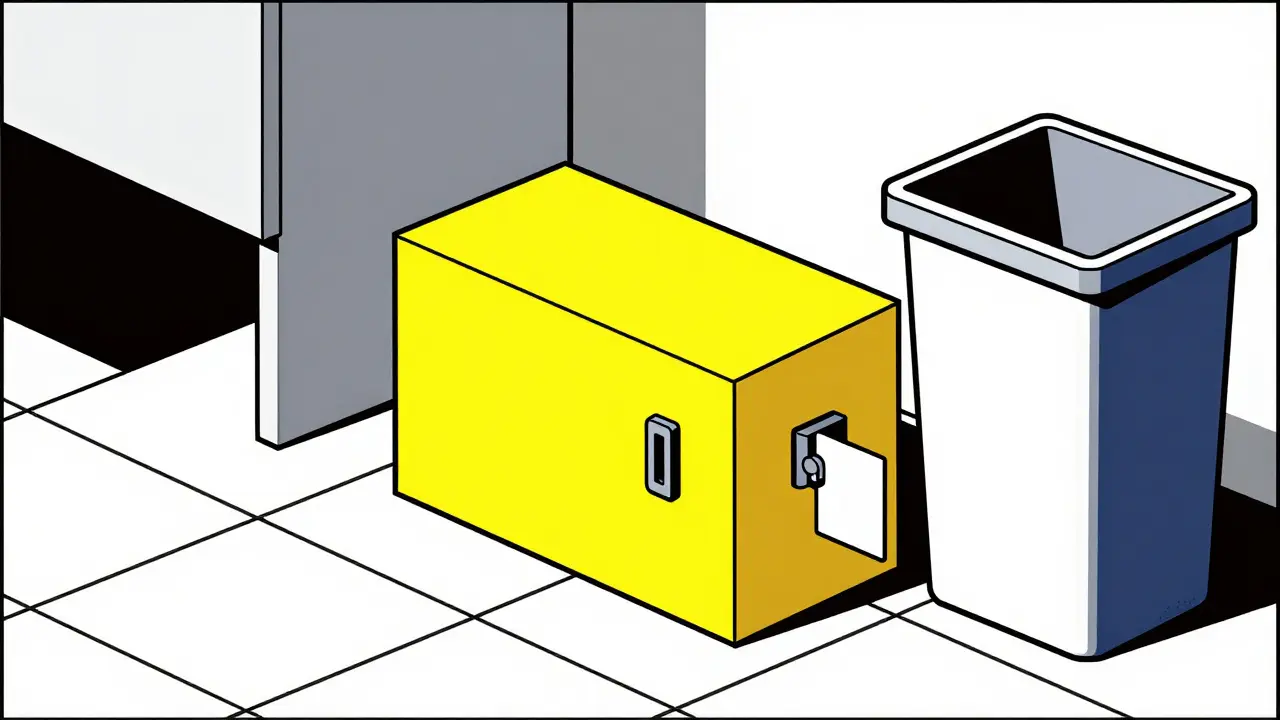
Keep these specific medications in a locked box. This isn't about a lack of trust; it's about removing the temptation and the risk. Additionally, be ruthless about cleaning out your medicine cabinet. Use pharmacy take-back programs to dispose of unused prescriptions. The DEA reports that thousands of these locations exist specifically to prevent the accidental misuse of leftover meds that teens might find while raiding a bathroom cabinet.
Dealing with Common Hurdles
You'll likely hit a few roadblocks. The most common is the "I forgot" excuse. Instead of lecturing, help them troubleshoot the system. If a single alarm isn't working, suggest a three-alarm system (e.g., 8:00 AM, 8:15 AM, and 8:30 AM). If they're forgetting meds at school, discuss a discreet way to carry them that doesn't feel "childish."
Another hurdle is the social aspect. Teens may feel embarrassed taking medication in front of peers. Encourage them to use the "Generation Rx" approach: developing a few quick, confident phrases to turn down invitations to misuse drugs or to explain their needs without feeling awkward. Having a peer support network or a "medication buddy" can also increase adherence by 22%, as it adds a layer of social accountability.
When is the absolute best time to start this process?
Most experts recommend starting the transition during the 10th or 11th grade. This provides a two-to-three-year window to move from total parental control to full independence, ensuring the teen has a safety net to learn from mistakes before they leave for college or the workforce.
What should I do if my teen consistently forgets their medication?
First, analyze why the failure is happening. If it's a memory issue, implement "habit stacking" by pairing the dose with an activity they never miss (like charging their phone). If the current alarm isn't working, try a multi-alarm system or a dedicated app like Medisafe. If consistency doesn't improve, move back one phase in the supervision scale (e.g., from monthly check-ins back to weekly).
Are there specific medications that should NEVER be self-managed by a teen?
Generally, controlled substances such as strong painkillers (opioids), benzodiazepines, and certain stimulants should remain under parental supervision. These should be stored in locked boxes to prevent misuse or diversion, regardless of how responsible the teenager seems.
How do I handle the social stigma of medication at school?
Help your teen develop a "script" to handle questions from peers. Focus on confidence and brevity. Encouraging them to find a trusted peer or a "medication buddy" can also help them feel less isolated and actually increase their adherence rates through mutual accountability.
How do I know when my teen is actually ready for full independence?
Look for a consistent track record over 3-6 months. They should be able to independently manage their schedule, request their own refills, and accurately describe the purpose and side effects of their medication to a provider. If they can do these three things without reminders, they are likely ready for full management.
Next Steps for Success
If you're starting today, your first move is a simple audit. Gather all current prescriptions and sit down with your teen. Ask them what they know about each one. If they can't tell you why they're taking a specific pill, that's your starting point.
For those with teens already in their senior year, skip the gradual phases and move immediately to "assisted management." Let them take the lead on the next doctor's visit and pharmacy trip, but stay closely involved in the verification process for the next 90 days. The goal is a smooth handoff that leaves them feeling capable and you feeling confident.


Robin Walton
April 11, 2026 AT 14:23This is such a helpful guide for parents who are feeling anxious about the transition. It really validates that feeling of a "leap of faith" while giving a practical roadmap to follow.
Chad Miller
April 13, 2026 AT 07:57honestly just give them the bottle and see if they fail i dont see why we need a whole manual for basic responsibilty its just common sense thois dayes
Trey Kauffman
April 14, 2026 AT 14:09Oh, wonderful. Let's just outsource the concept of personal responsibility to a smartphone app. Because nothing says "mature adult" quite like a push notification telling you to not die.
Doug DeMarco
April 15, 2026 AT 17:47Love the habit stacking tip! 🌟 I started doing that with my own vitamins and it's a total game changer. Definitely a great way to empower kids without hovering too much! 😊
Thabo Leshoro
April 16, 2026 AT 07:08The pharmacological adherence... is so crucial... especially with complex titration schedules!! These bio-availability markers are tough for teens... it really is a struggle!!
Suchita Jain
April 17, 2026 AT 17:37It is most regrettable that some parents believe a "sliding scale" is sufficient for the moral upbringing of a child. One must maintain absolute authority over the domestic sphere to ensure the child does not succumb to the temptations of the world. A failure to implement a rigid, non-negotiable regime of oversight is a failure of the parental duty itself. I find the suggestion of "spot-checks" to be utterly permissive and lacking in the necessary discipline required for a truly virtuous life. The structure must be absolute, or the child will surely deviate from the path of righteousness and health. One does not simply "consult" on the health of a minor; one directs it with an iron will and an unwavering eye. It is high time we returned to the traditional values of strict guardianship where the parent is the sole arbiter of what is safe and appropriate for the household. This modern approach is nothing more than a diluted version of parenting that prioritizes the child's comfort over their actual stability. True guidance requires a level of scrutiny that the author of this piece seems to think is excessive, but in reality, it is the only way to guarantee success. We must stop treating teenagers like miniature adults and start treating them like children who need constant, formal correction. This is the only way to prevent the social decay we see in the youth of today. A child who is not monitored is a child who is neglected. The lack of a formal hierarchy in this transition plan is quite appalling.
Simon Stockdale
April 18, 2026 AT 06:16I lauv this stuff cuz its about keepin our kids safe in America where we actually care about our familes unlike some other places that dont even have real laws and just let kids run wild in the streets wthout any guidance and its just laughable how some people think you can just wing this stuff when your kid is on meds and you gota be on top of it or they end up makin mistakes that can ruin their whole life before they even get to the real world where things are way harder and you gotta be a patriot and take care of your own first and foremost!
Kelly DeVries
April 18, 2026 AT 10:58totally agree on the lock box thing because some kids are just naturally more impulsive and you cant trust them with the heavy stuff no matter what the guide says about trust its just a risk not worth taking
Ben hogan
April 20, 2026 AT 05:08The banality of this advice is staggering. We are reducing the complex psychological interplay of adolescent autonomy to a table of "pros and cons" for apps. Pedantic.
Danny Wilks
April 20, 2026 AT 18:20I find it quite interesting how the intersection of behavioral psychology and adolescent development is handled here, as the gradual shift from dependency to autonomy reflects a broader societal transition that many of us struggle with even in our adult years.
Lynn Bowen
April 21, 2026 AT 11:23The habit stacking method is widely used in many different cultures to improve discipline and it makes sense to apply it here.