
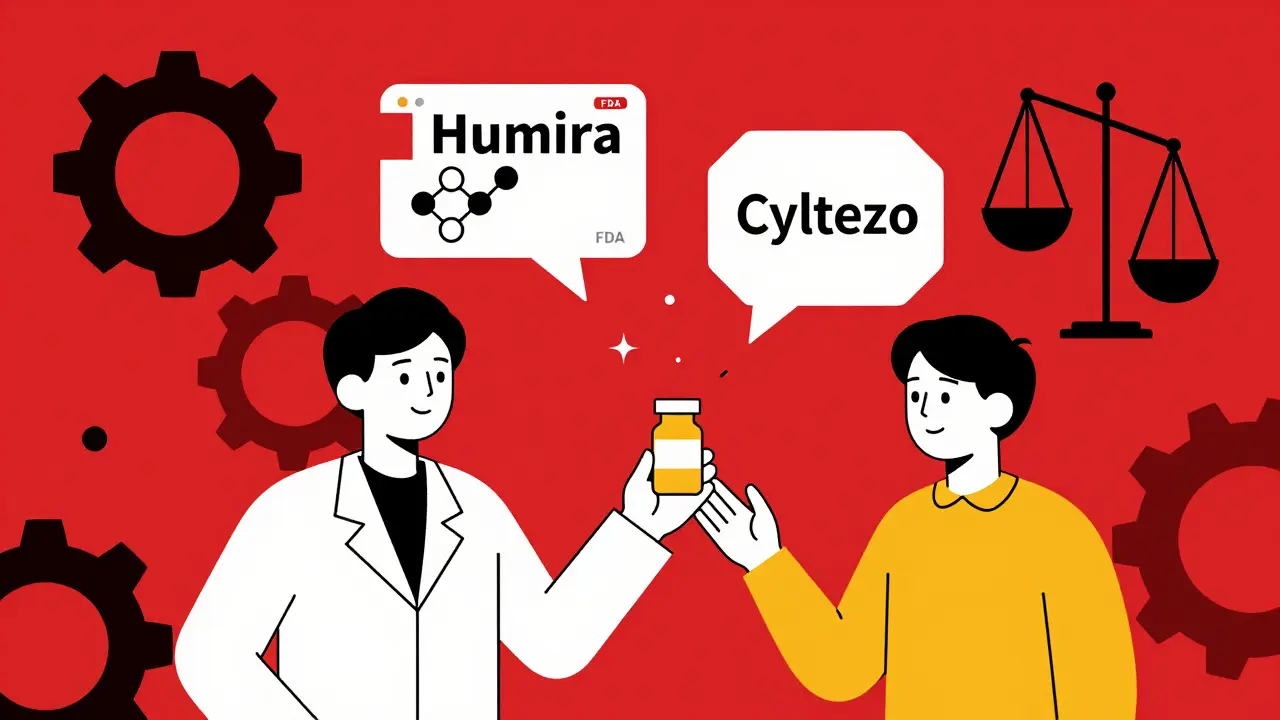
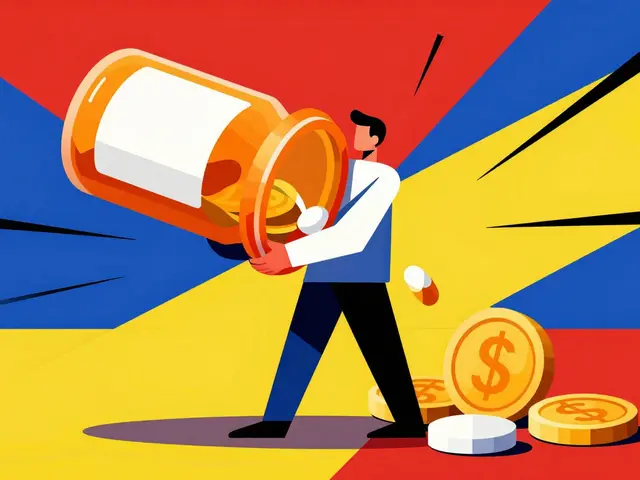
When you pick up a prescription for insulin or a biologic drug like Humira, you might not realize the pill you’re handed could be a completely different product than what your doctor ordered-and that’s by design. In the U.S., certain biosimilars can be swapped in at the pharmacy without your doctor’s approval. This isn’t like switching from brand-name aspirin to generic ibuprofen. It’s more complex, more regulated, and far more controversial. The key term here is interchangeable biosimilar.
What Makes a Biosimilar ‘Interchangeable’?
Not all biosimilars are created equal. The FDA approves two types: biosimilars and interchangeable biosimilars. Both are highly similar to the original biologic drug-like Humira, Enbrel, or Lantus-but only one type can be swapped automatically at the pharmacy counter. A biosimilar must prove it works the same way as the reference product in terms of safety, purity, and potency. That’s tough. Biologics are made from living cells, not chemicals. Even tiny changes in manufacturing can affect how they behave in your body. So the FDA requires extensive testing, including clinical trials. But to be labeled interchangeable, a biosimilar must go further. It must show that switching back and forth between the reference drug and the biosimilar-multiple times-doesn’t increase risk or reduce effectiveness. That’s not just a one-time comparison. It’s a series of switches, often in the same patient group, with careful monitoring of immune responses, side effects, and how the drug moves through the body. The first interchangeable biosimilar approved was Semglee, an insulin glargine product, in July 2021. The first interchangeable monoclonal antibody-Cyltezo, a Humira alternative-came in August 2023. As of November 2023, only 10 out of 41 approved biosimilars had this special designation.Why Does This Even Matter?
Biologics are expensive. Humira alone cost over $70,000 per year before biosimilars entered the market. Even non-interchangeable biosimilars are 15-30% cheaper, according to a 2022 RAND Corporation study. But automatic substitution drives adoption faster. When a pharmacist can swap a brand-name drug for a biosimilar without calling the doctor, more patients get the cheaper version. In states with automatic substitution laws, insulin biosimilar use jumped 18.7% compared to states that don’t allow it, according to a 2023 JAMA Health Forum study. That’s not just savings-it’s access. For patients, it means lower out-of-pocket costs. One person on the Psoriasis Foundation forum reported saving $800 a month after switching from Humira to Hyrimoz, an interchangeable biosimilar. For insurers and employers, it means lower drug spending. Commercial plans now often require automatic substitution for interchangeable biosimilars when state law allows it.How Is This Different From Generic Drugs?
Think of generic drugs as exact copies. A generic pill has the same active ingredient, dose, and chemical structure as the brand. The FDA can approve them based on bioequivalence studies-showing the body absorbs them the same way. Biosimilars aren’t copies. They’re highly similar, but not identical. Because they’re made from living cells, no two batches are exactly alike-even from the same manufacturer. That’s why the FDA requires way more data for biosimilars than for generics. And for interchangeability? Even more. It’s not just about whether the drug works. It’s about whether switching between products over time is safe. That’s why a generic for metformin can be swapped without any extra testing. But a biosimilar for Enbrel? Not unless it’s been proven safe through multiple switches.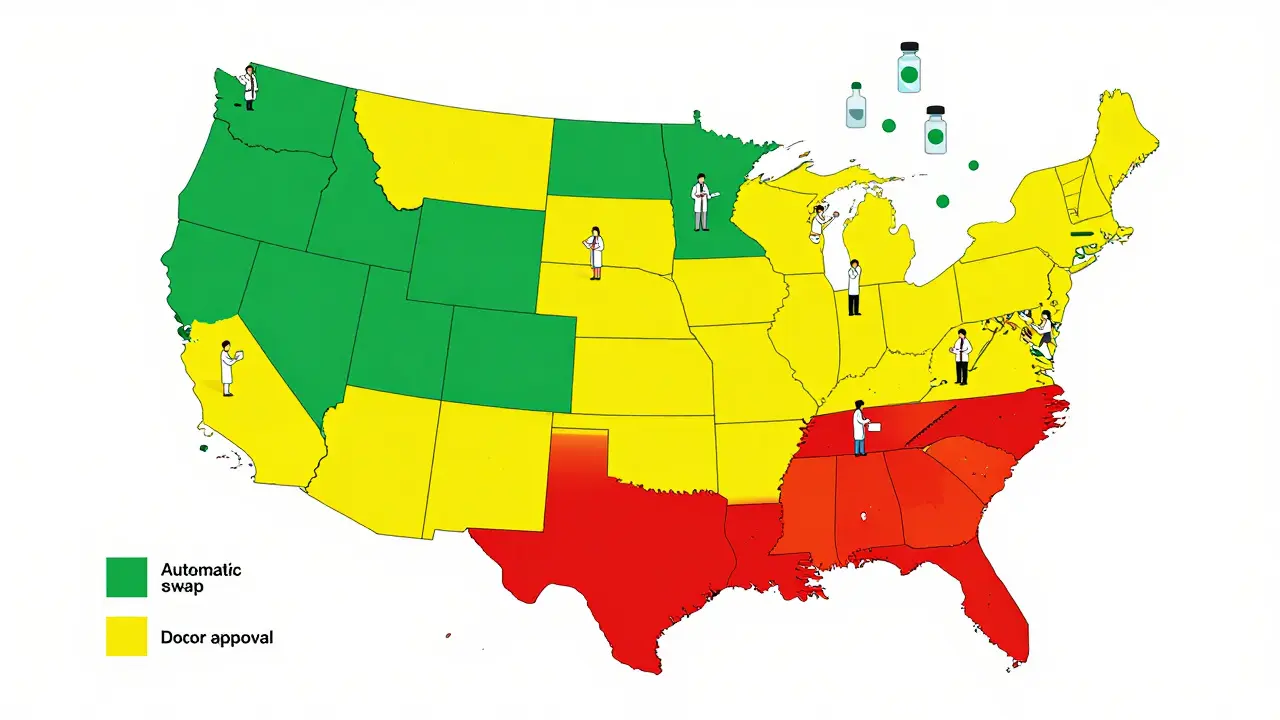
State Laws Are a Mess
The FDA says a biosimilar is interchangeable. But whether a pharmacist can actually swap it? That’s up to your state. Forty states and Washington, D.C., allow pharmacists to substitute an interchangeable biosimilar without telling the doctor. Some, like Arizona, require the pharmacist to notify the patient and send a record to the prescriber within five days. Others, like California, only allow substitution if it saves the patient money. Then there are the holdouts. Alabama, Indiana, South Carolina, and Washington require the prescriber’s explicit approval before any substitution-even if the biosimilar is FDA-interchangeable. Puerto Rico has the same rule. This patchwork creates real headaches. A 2022 survey by the National Community Pharmacists Association found that 67% of independent pharmacists were confused about what they could and couldn’t do depending on the state. One pharmacist on Reddit wrote: “In California, I have to check if it’s lower cost. In Arizona, I don’t. My pharmacy system doesn’t differentiate between states.”What About Patient Safety?
Critics worry that automatic substitution could hurt patients. In a 2021 JAMA Dermatology editorial, Dr. Kevin Winthrop pointed to a study showing psoriasis patients switched to biosimilars had a 20.3% higher chance of stopping treatment than those who stayed on the original drug. Reasons? Uncertainty, fear, or real side effects. One patient reported an allergic reaction after their pharmacy switched them from Humira to Hadlima without telling them. Turns out, they were sensitive to an excipient-the inactive ingredient-in the biosimilar. The FDA says all approved biosimilars are as safe as the reference product. But patients aren’t always told when a switch happens. A 2022 National Psoriasis Foundation survey found 63% of patients were satisfied with their biosimilar, but 28% were upset they weren’t informed. Transparency matters. Patients need to know what they’re getting, especially when switching between products.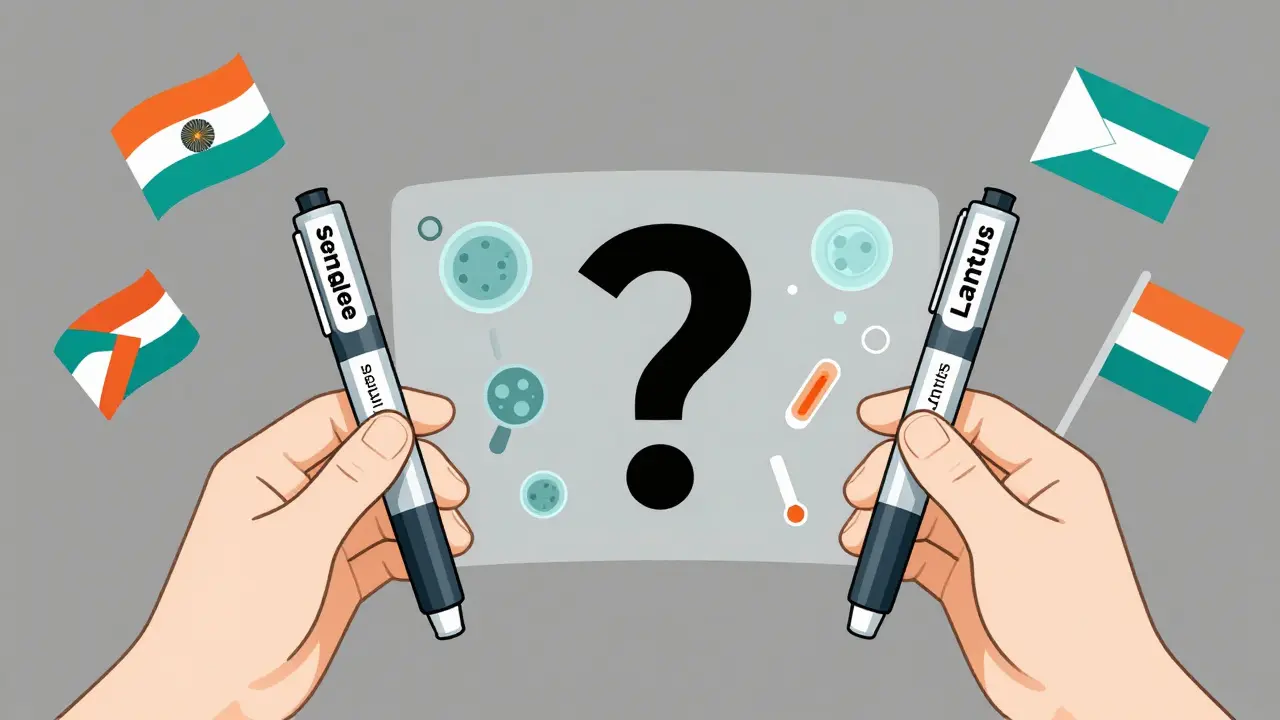
What’s Next for Biosimilars?
The market is growing fast. By 2026, biosimilars could capture nearly half of the $168 billion biologics market, according to Evaluate Pharma. But the path forward is tangled. There’s a bill in Congress called the Biosimilar Red Tape Elimination Act. It would scrap the requirement for switching studies and make every FDA-approved biosimilar automatically interchangeable. Supporters say it’s the fastest way to drive down prices. Critics-including big pharma-say it risks patient safety by skipping critical data. The FDA is also reviewing its guidance. In 2023, it proposed streamlining the switching study requirements, which could speed up approvals. Meanwhile, more biologics are losing patent protection. By 2025, 70% of the top 20 biologic drugs by sales will face biosimilar competition. The insulin market already shows the power of interchangeability. Semglee hit 17.3% market share within six months-nearly double the pace of non-interchangeable biosimilars.What Should You Do?
If you’re on a biologic drug:- Ask your doctor: Is there an interchangeable biosimilar available?
- Ask your pharmacist: Will they substitute it automatically? Do they need your permission?
- Check your state’s laws. They vary-and you have rights.
- Make sure you’re notified if a switch happens. You have the right to know what you’re taking.
- If you feel worse after a switch, tell your doctor immediately. It’s not always the drug-it could be an excipient.
Frequently Asked Questions
Can any biosimilar be automatically substituted at the pharmacy?
No. Only biosimilars that have received the FDA’s ‘interchangeable’ designation can be substituted without a doctor’s approval. As of late 2023, only 10 out of 41 approved biosimilars have this status. All other biosimilars require the prescriber to specifically allow substitution.
Are interchangeable biosimilars safer or more effective than regular biosimilars?
No. The FDA says all approved biosimilars-interchangeable or not-are equally safe and effective as the original biologic. The ‘interchangeable’ label only means the product has passed additional testing to prove it’s safe to switch back and forth with the reference drug. It doesn’t mean it’s better.
Can a pharmacist substitute one biosimilar for another?
No. Interchangeability only applies to swapping a biosimilar for the original reference product, not for switching between two different biosimilars. For example, if you’re on Cyltezo (a Humira biosimilar), your pharmacist can’t swap you to Hyrimoz without your doctor’s approval-even if both are interchangeable with Humira.
Do I have to be told if my prescription is switched to a biosimilar?
It depends on your state. In some states like Arizona, pharmacists must notify you and send a record to your doctor. In others, there’s no legal requirement to inform you. Always ask your pharmacist what’s being dispensed. You have the right to know.
Can my doctor stop a biosimilar substitution?
Yes. Every state allows prescribers to prevent substitution by writing ‘dispense as written’ or using a specific DAW code on the prescription. Even in states with automatic substitution laws, your doctor’s instruction overrides pharmacy rules.

Jacob Cathro
January 18, 2026 AT 15:34Also, who the hell approved this? FDA? More like FDA: Fast Drug Approval™. I’m not a lab rat.
Paul Barnes
January 18, 2026 AT 20:33pragya mishra
January 19, 2026 AT 20:20Andy Thompson
January 21, 2026 AT 06:34Also, if your pharmacist swaps your insulin, call the police. Or better yet, move to Canada. They don’t do this shit there. #BiosimilarScam
sagar sanadi
January 22, 2026 AT 17:03kumar kc
January 24, 2026 AT 13:38Shane McGriff
January 25, 2026 AT 20:21Art Gar
January 26, 2026 AT 22:53Crystal August
January 28, 2026 AT 11:37Nadia Watson
January 30, 2026 AT 09:26