
Imagine paying $80,000 a year for a medication that could cost you just $16,000 if you switched to an equivalent version. For millions of patients dealing with chronic conditions like rheumatoid arthritis or Crohn's disease, this isn't hypothetical; it's the daily reality of biologic drug costs. While traditional generics have slashed prices for common antibiotics and blood pressure meds, the complex world of biologics has remained stubbornly expensive. But the tide is turning. Biosimilars-the biological equivalents of small-molecule generics-are entering the market in force, promising massive savings without compromising your health.
The distinction matters. A generic pill is chemically identical to its brand-name twin. A biologic, however, is a large, complex molecule made by living cells. Because they are not carbon copies, their lower-cost counterparts are called biosimilars, not generics. Understanding the financial gap between these two categories is crucial for anyone managing healthcare expenses in 2026. The data shows a clear trend: while brand biologics still dominate spending, biosimilars are rapidly eroding those high price tags, creating a significant opportunity for cost containment.
The Fundamental Price Gap: What the Numbers Say
Let’s look at the hard numbers first. In the first half of 2025, the average cost for a 30-day prescription of a brand reference biologic was approximately $2,104. Compare that to the average cost of a biosimilar biologic, which sat at $919. That is a 56.3% reduction right off the bat. For out-of-pocket payments, the difference can be even more pronounced for individual patients, with community specialty pharmacies reporting that patient copays for biosimilars are roughly 23% lower than for their reference products.
This discount isn't static. It grows over time. When a new biosimilar launches, it typically enters the market priced more than 40% below the brand product. As more competitors join the fray, prices drop further. Take Humira (adalimumab) as a prime example. Before patent expiration, it carried a U.S. list price of around $80,000 per patient annually. After biosimilars entered the market in 2023, they captured about 65% of the market share within a short period. These new entrants were priced at an average discount of 80% compared to the original list price. If you were on Humira before 2023, the switch to a biosimilar like Hyrimoz or Cyltezo didn't just save money; it changed the economic landscape of your treatment entirely.
| Metric | Brand Biologic | Biosimilar |
|---|---|---|
| Avg. 30-Day Cost (H1 2025) | $2,104 | $919 |
| Typical Launch Discount | N/A | >40% below reference |
| Out-of-Pocket Savings | Baseline | ~23% lower |
| Market Share Trend | Declining post-patent expiry | Rising rapidly |
Why Are Biologics So Expensive to Begin With?
To understand the value of biosimilars, you have to understand why the originals are so pricey. Biologics account for only 5% of all prescriptions in the U.S., yet they drive 51% of total drug spending. This disparity stems from development complexity. Unlike a simple chemical compound synthesized in a lab, a biologic is grown in living cells. Small changes in the manufacturing process can alter the molecule's structure, meaning manufacturers must invest heavily in quality control and clinical trials to prove safety and efficacy.
This high barrier to entry historically meant fewer competitors. Fewer competitors mean higher prices. However, the passage of the Biologics Price Competition and Innovation Act (BPCIA) in 2009 created a legal pathway for these cheaper alternatives. Since then, the FDA has approved 76 biosimilars as of late 2025. While that number sounds modest next to the thousands of small-molecule generics, it represents a critical shift. Every new approval breaks the monopoly of the brand manufacturer, forcing them to compete on price rather than just exclusivity.
The Cumulative Savings: A National Perspective
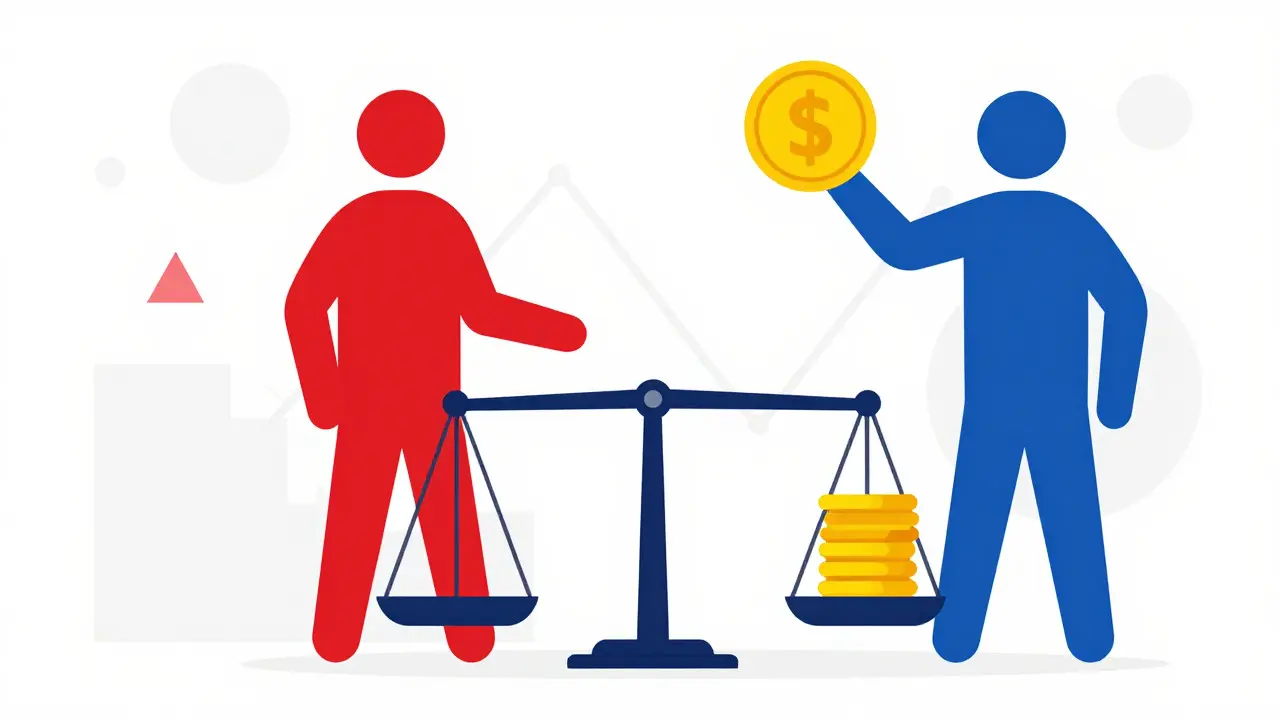
The impact of this shift is visible on a national scale. According to the U.S. Department of Health and Human Services, biosimilars have generated $56 billion in healthcare savings since their first approval in 2015. In 2024 alone, the savings reached $20 billion. Other analyses, such as those from DrugPatentWatch, offer slightly more conservative estimates, citing $36 billion in total savings since 2015, but the direction is undeniable: billions are being saved every year.
These savings aren't just abstract numbers in a government report; they translate to real-world relief. When biosimilars enter the market, they don't just take sales from the brand drug; they often pull down the price of the reference product itself. Following biosimilar entry, reference biologics have seen average price reductions of 25-33%. This means even if you stay on the brand name, you might benefit indirectly from the competition. The presence of biosimilars acts as a ceiling on pricing, preventing the steep annual increases that characterized the pre-biosimilar era.
Barriers to Adoption: Why Isn't Everyone Switching?
If the savings are this substantial, why hasn't everyone switched? The answer lies in structural hurdles within the healthcare system. One major factor is the "patent thicket." Brand pharmaceutical companies often file multiple patents covering different aspects of their drug-manufacturing methods, dosing schedules, delivery devices-to delay biosimilar entry. Even after the main composition patent expires, these secondary patents can keep competitors at bay for years.
Another significant barrier comes from Pharmacy Benefit Managers (PBMs). PBMs negotiate rebates with drug manufacturers to secure preferred formulary status. Sometimes, a PBM will favor the brand-name drug because it offers a larger rebate, even if the list price is higher. This creates a "rebate wall" where the net cost to the insurer might be similar, but the patient may face higher deductibles or copays depending on their specific plan structure. Additionally, some physicians remain hesitant to prescribe biosimilars due to concerns about interchangeability or lack of familiarity, although regulatory agencies like the FDA confirm that approved biosimilars are as safe and effective as the branded versions.

Future Outlook: Accelerating Access and Savings
The future looks increasingly favorable for cost-conscious patients. Regulatory bodies are moving to streamline the approval process. The FDA announced draft guidance in 2025 aimed at simplifying biosimilarity studies and reducing unnecessary clinical testing. This should shorten development timelines and lower the cost of bringing new biosimilars to market. Currently, developing a single biosimilar can cost between $100 million and $250 million, a significant hurdle that streamlined regulations hope to mitigate.
Industry analysts project that biosimilar market penetration will rise from current levels of 15-20% to 35-40% by 2030. If realized, this increase could generate an additional $125 billion in annual savings. The U.S. government has also launched initiatives like the "Biosimilars Action Plan" to address market access barriers directly. For patients, this means that as the decade progresses, the choice between a brand biologic and a biosimilar will become less about availability and more about personal preference or specific insurance coverage, with the financial advantage tilting heavily toward the biosimilar option.
Frequently Asked Questions
Are biosimilars exactly the same as brand biologics?
Not exactly. Because biologics are complex molecules made by living organisms, it is impossible to create a carbon copy. Biosimilars are highly similar to the reference product but may have minor differences in impurities or structure. However, regulatory agencies require rigorous testing to ensure these differences do not affect safety or efficacy. For practical purposes, they are considered therapeutically equivalent.
How much can I expect to save by switching to a biosimilar?
Savings vary by specific drug and insurance plan, but generally, biosimilars launch at a discount of 40% or more compared to the brand product. On average, the cost for a 30-day supply is about 56% lower. Out-of-pocket costs for patients are typically 23% lower. In cases like Humira, discounts have reached up to 80% off the original list price.
Why are there fewer biosimilars than regular generics?
Biologics are harder and more expensive to develop and manufacture than small-molecule drugs. The regulatory pathway, established by the BPCIA in 2009, is newer than the one for generics. Additionally, brand companies use strategies like patent thickets to delay biosimilar entry. As of 2025, only 76 biosimilars have been approved, whereas there are thousands of small-molecule generics on the market.
Does my insurance cover biosimilars?
Most insurance plans cover FDA-approved biosimilars, often with lower copays than the brand alternative. However, coverage depends on your specific formulary. Some Pharmacy Benefit Managers (PBMs) may prefer brand drugs due to rebate structures, so it is worth checking with your provider or pharmacist to see if a biosimilar is listed as a preferred option for your condition.
Is it safe to switch from a brand biologic to a biosimilar mid-treatment?
For most patients, yes. The FDA states that biosimilars are as safe and effective as the reference product. Many biosimilars are designated as "interchangeable," meaning a pharmacist can substitute them for the brand drug without consulting the prescriber. However, you should always discuss any switch with your doctor to monitor how your body responds to the change, especially in the early stages.