COPD Medication Risk Checker
Select the medications you are currently taking below. The tool will highlight high-risk drugs that may compromise your breathing and suggest safer alternatives.
Select a medication on the left to see detailed analysis.
Living with COPD is a progressive lung condition that obstructs airflow and makes breathing difficult is tough enough without worrying about whether your blood pressure pill or painkiller might make things worse. Yet for millions of people, the real danger often hides in the medicine cabinet. According to the Global Initiative for Chronic Obstructive Lung Disease (GOLD) guidelines, medication-related issues account for roughly 15-20% of preventable hospitalizations in COPD patients. It’s not just about taking the right drugs; it’s about avoiding the wrong ones. This guide breaks down which medications can trigger a crisis, why they do it, and what safer alternatives look like.
The Silent Threat: CNS Depressants and Opioids
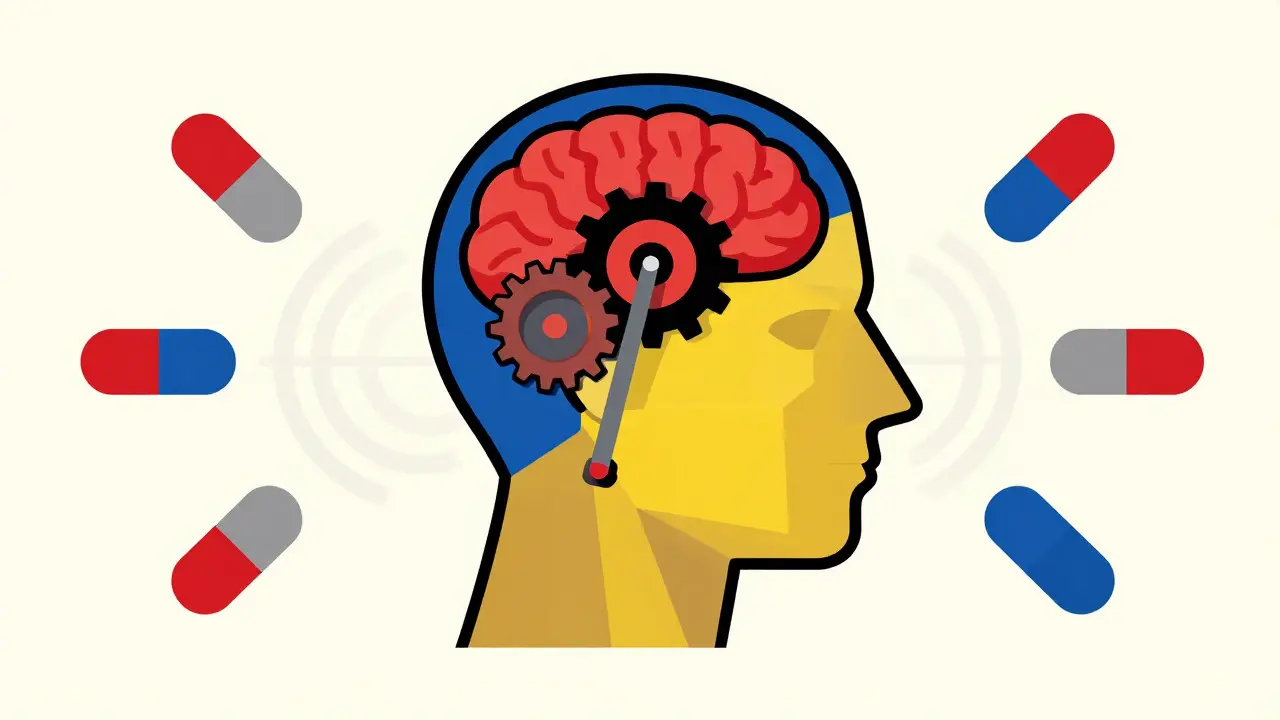
Your brain controls your breathing rhythm. When you take central nervous system (CNS) depressants, you slow that rhythm down. In healthy lungs, this is usually fine. In compromised lungs, it can be fatal. Opioid pain relievers are the most notorious offenders here. Drugs like morphine, hydromorphone, and oxycodone suppress the drive to breathe. The American Thoracic Society reported in 2022 that opioid use in COPD patients increases the risk of respiratory failure by 37% compared to non-opioid approaches. If you’re prescribed these for severe pain, strict monitoring is essential, but they remain high-risk.
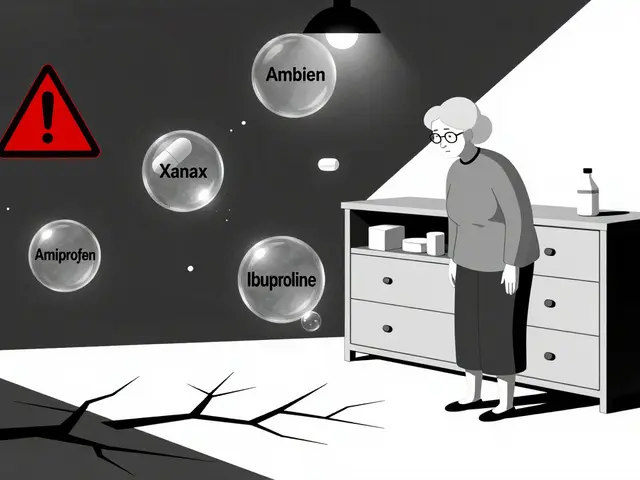
The danger multiplies when you combine opioids with other sedatives. Benzodiazepines such as alprazolam and diazepam, along with sleep aids like zolpidem, create a 'double hit' on your respiratory center. A 2022 study in the Chest Journal found that combining opioids with benzodiazepines increases the risk of respiratory arrest by 400%. Even muscle relaxers like cyclobenzaprine pose a significant threat, with data showing that 22% of COPD patients using them required emergency intervention within 30 days of starting treatment.
Beta-Blockers: Not All Are Created Equal
If you have heart conditions alongside COPD, you might be prescribed beta-blockers. But there’s a critical distinction you need to know. Non-selective beta-blockers block receptors in both the heart and the lungs. This can cause bronchoconstriction, tightening the airways exactly when you need them open. Propranolol, nadolol, and timolol fall into this dangerous category. A 2022 meta-analysis in Respiratory Medicine found that non-selective beta-blockers increase the risk of acute COPD exacerbation by 31% compared to cardioselective options.
Cardioselective beta-blockers, like metoprolol, target the heart more specifically and are generally considered safer for COPD patients. One patient shared on a support forum that switching from propranolol to metoprolol improved their FEV1 (a measure of lung function) by 15% within three months. If you’re on a beta-blocker, ask your doctor if it’s selective. It could be the difference between stable breathing and another hospital stay.
Antibiotics and Antihistamines: Hidden Interactions
Antibiotics are often necessary for treating infections, but some carry risks. Clarithromycin, a macrolide antibiotic, inhibits the CYP3A4 enzyme, which processes many other drugs. This can raise blood levels of opioids by up to 60%, leading to unexpected respiratory depression. Additionally, macrolides can prolong the QTc interval on an ECG, which is risky if you have underlying heart issues common in COPD populations. While azithromycin is sometimes used prophylactically, it still requires caution regarding cardiac side effects.
First-generation antihistamines like diphenhydramine (Benadryl) and hydroxyzine are another trap. Their anticholinergic effects thicken mucus in the airways. A 2021 study in the Annals of Allergy, Asthma & Immunology showed these drugs increase sputum viscosity by 22-35% in COPD patients. Thicker mucus is harder to cough up, leading to blockages and potential exacerbations. Second-generation antihistamines are usually better choices because they have less impact on secretions.

ACE Inhibitors and the Cough Factor
If you have high blood pressure, you might be taking an ACE inhibitor. For many, these work well, but for COPD patients, they come with a specific downside: a persistent dry cough. Approximately 12-20% of patients on ACE inhibitors develop this side effect. For someone already struggling with chronic coughing due to COPD, this can mimic disease progression or simply worsen quality of life. The American Heart Association recommends angiotensin II receptor blockers (ARBs) as preferred alternatives for COPD patients, noting a 68% lower incidence of cough-related complications. If your cough seems to be getting worse after starting a new blood pressure med, talk to your doctor about switching classes.
| Medication Class | Risk Factor | Safer Alternative |
|---|---|---|
| Non-Selective Beta-Blockers | Bronchoconstriction (tightening airways) | Cardioselective Beta-Blockers (e.g., Metoprolol) |
| Opioids + Benzos | Respiratory Depression/Arrest | Non-Opioid Pain Management / Single-Agent Use |
| First-Gen Antihistamines | Thickened Mucus/Sputum | Second-Gen Antihistamines |
| ACE Inhibitors | Persistent Dry Cough | ARBs (Angiotensin II Receptor Blockers) |
How to Manage Your Medication Safely
You don’t have to guess which pills are safe. The best practice is a comprehensive medication review. Bring every single medication you take-including over-the-counter drugs, supplements, and inhalers-to your next appointment. This is often called a 'brown bag review.' Pharmacists are particularly skilled at spotting dangerous interactions that doctors might miss in a busy clinic setting. A 2023 study showed that pharmacist-led management reduced COPD-related hospitalizations by 29%.
Keep a written list of your meds and update it whenever you change doses. Watch for specific warning signs: increased drowsiness, thicker phlegm, or a new persistent cough. If you notice these after starting a new drug, contact your healthcare provider immediately. Don’t wait for your next scheduled visit. Small changes in medication can have outsized impacts on your breathing, so staying proactive is key to keeping your lungs working as well as possible.
Can I take any painkillers if I have COPD?
Yes, but with caution. Acetaminophen and certain NSAIDs are generally safer than opioids. However, avoid combining opioids with sedatives like benzodiazepines or sleep aids, as this drastically increases the risk of respiratory failure. Always consult your doctor before starting strong pain relief.
Are all beta-blockers bad for COPD patients?
No. Non-selective beta-blockers like propranolol can tighten airways and should be avoided. Cardioselective beta-blockers like metoprolol are generally considered safe and may even benefit patients with both heart and lung conditions. Ask your doctor to check which type you are currently taking.
Why does my blood pressure medication make me cough?
This is a common side effect of ACE inhibitors. For COPD patients, this cough can worsen symptoms and reduce quality of life. Switching to an ARB (angiotensin II receptor blocker) often resolves the issue while maintaining blood pressure control.
What is a 'brown bag review'?
It is a technique where you bring all your medications (prescription, OTC, supplements) in a bag to your doctor or pharmacist. They review the entire list together to identify harmful interactions or duplicates, ensuring no single drug is viewed in isolation.
Do antibiotics interact with COPD medications?
Yes. Some antibiotics, like clarithromycin, can inhibit enzymes that break down other drugs, potentially raising their levels in your blood. This can lead to side effects like excessive sedation if you are also taking opioids or other CNS depressants.