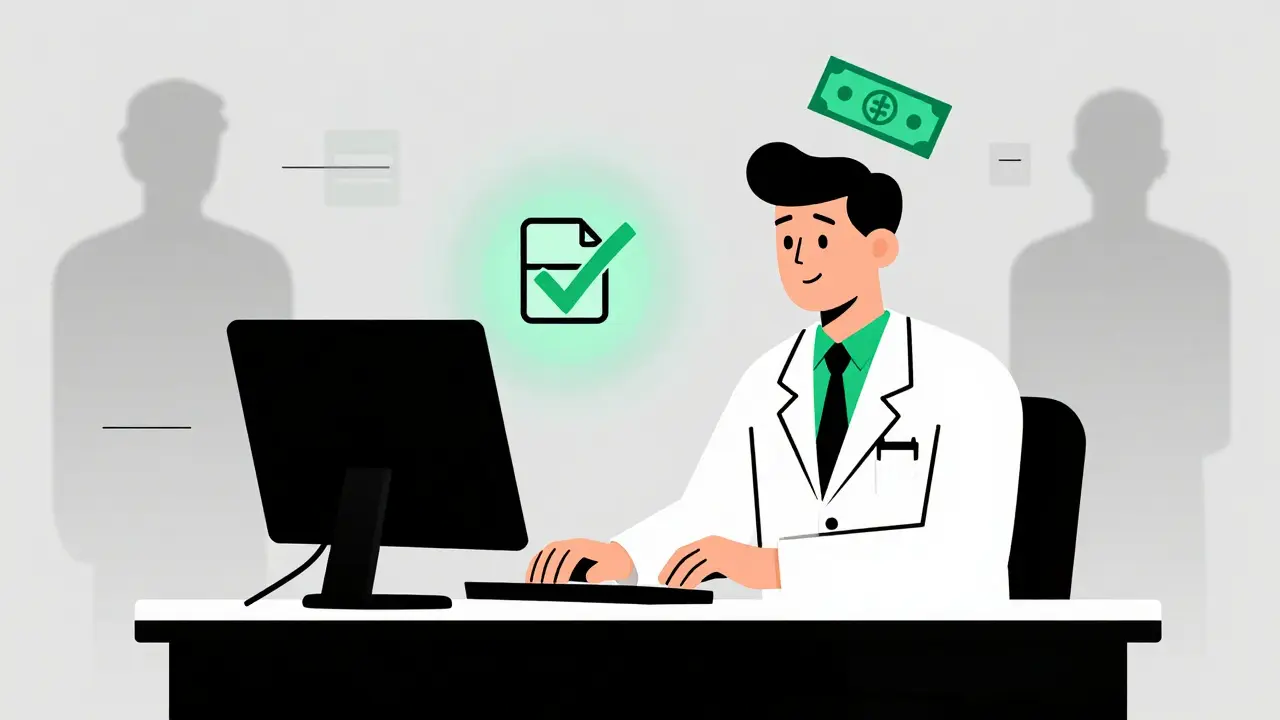
Generic prescribing incentives reward doctors for choosing cheaper generic drugs, saving billions in healthcare costs. But while they work well for simple conditions, they can create risks for complex cases - and some providers feel pressured. Here’s how the system really works - and what it means for you.
Continue Reading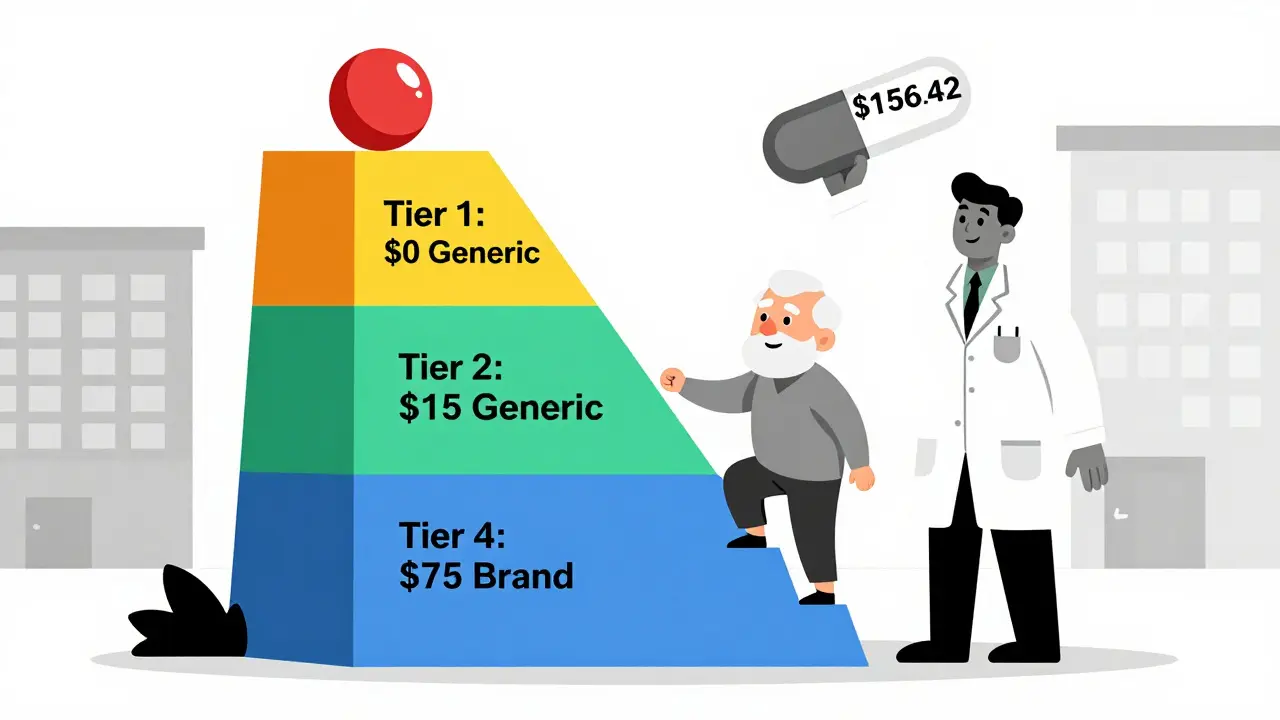
Medicare Part D saves billions by prioritizing generic drugs through tiered pricing, low copays, and financial incentives. Learn how the system works, why generics dominate prescriptions, and how beneficiaries can maximize savings.
Continue Reading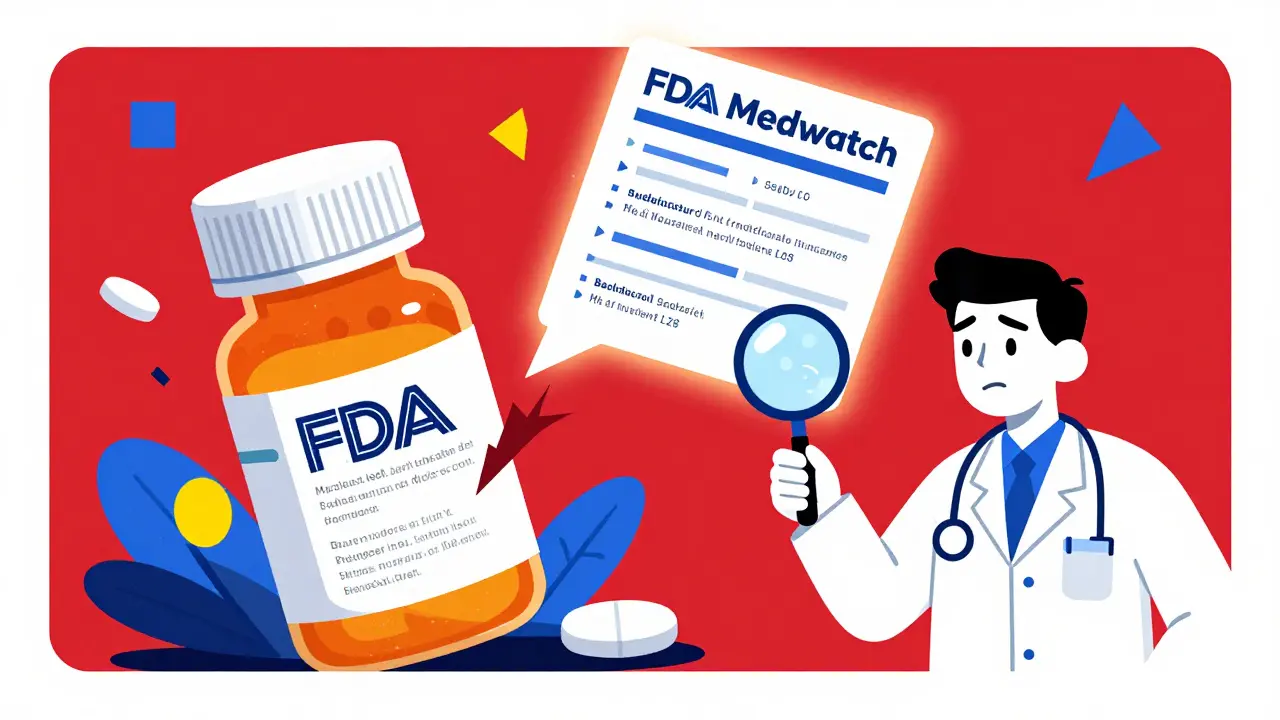
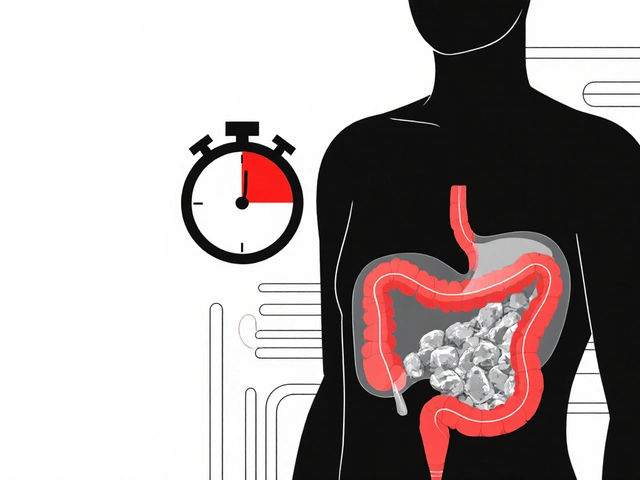
Serious adverse events from generic drugs are underreported due to confusing labeling, lack of resources, and systemic gaps. Learn how to report correctly, why the system fails, and what’s being done to fix it.
Continue Reading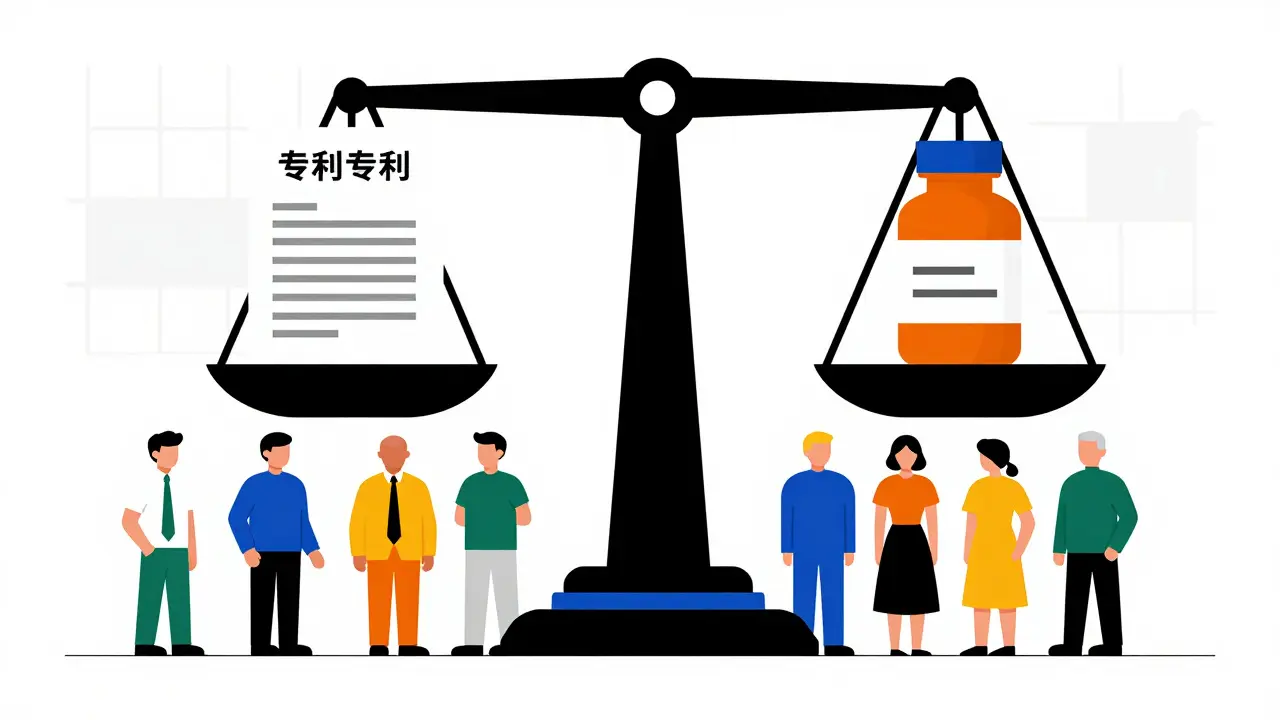
Compulsory licensing lets governments override patents to make life-saving drugs affordable during emergencies. Used in Thailand, India, and during COVID-19, it balances innovation with public health needs.
Continue Reading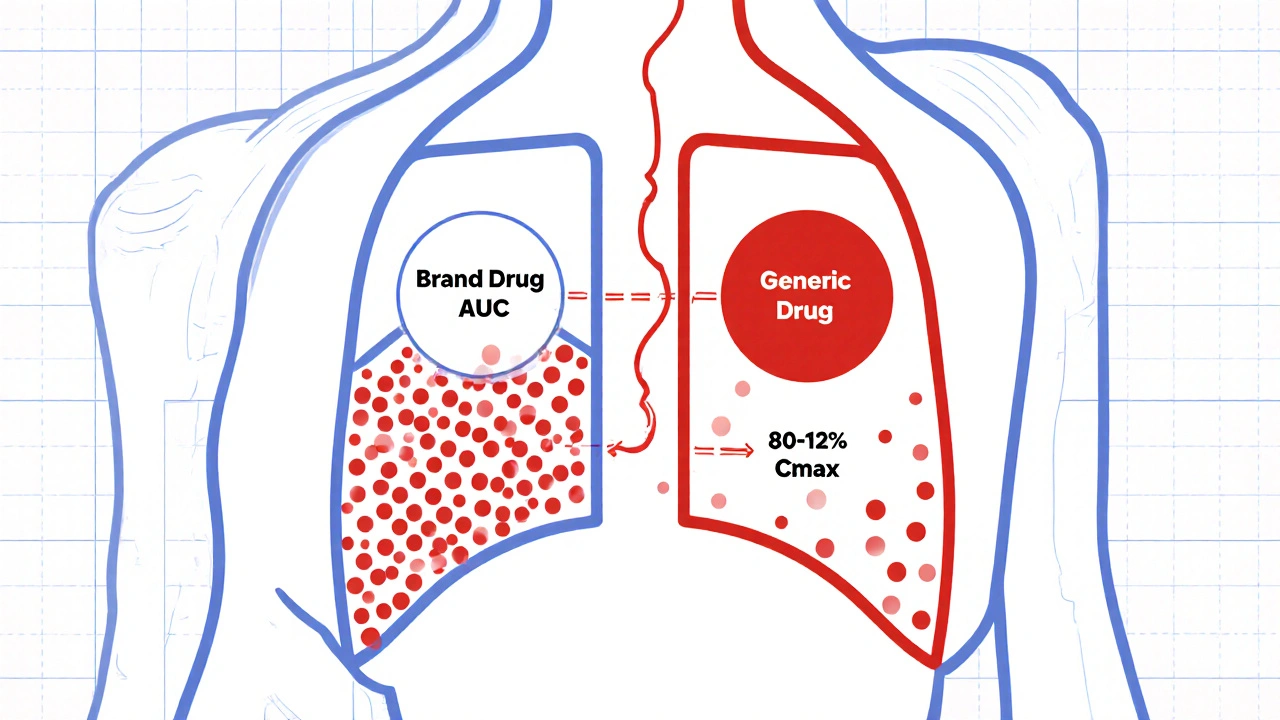
The 80-125% rule ensures generic drugs work like brand-name versions by measuring how much drug enters the bloodstream. It's not about pill strength-it's about body exposure. Learn how it works and why it's trusted worldwide.
Continue Reading