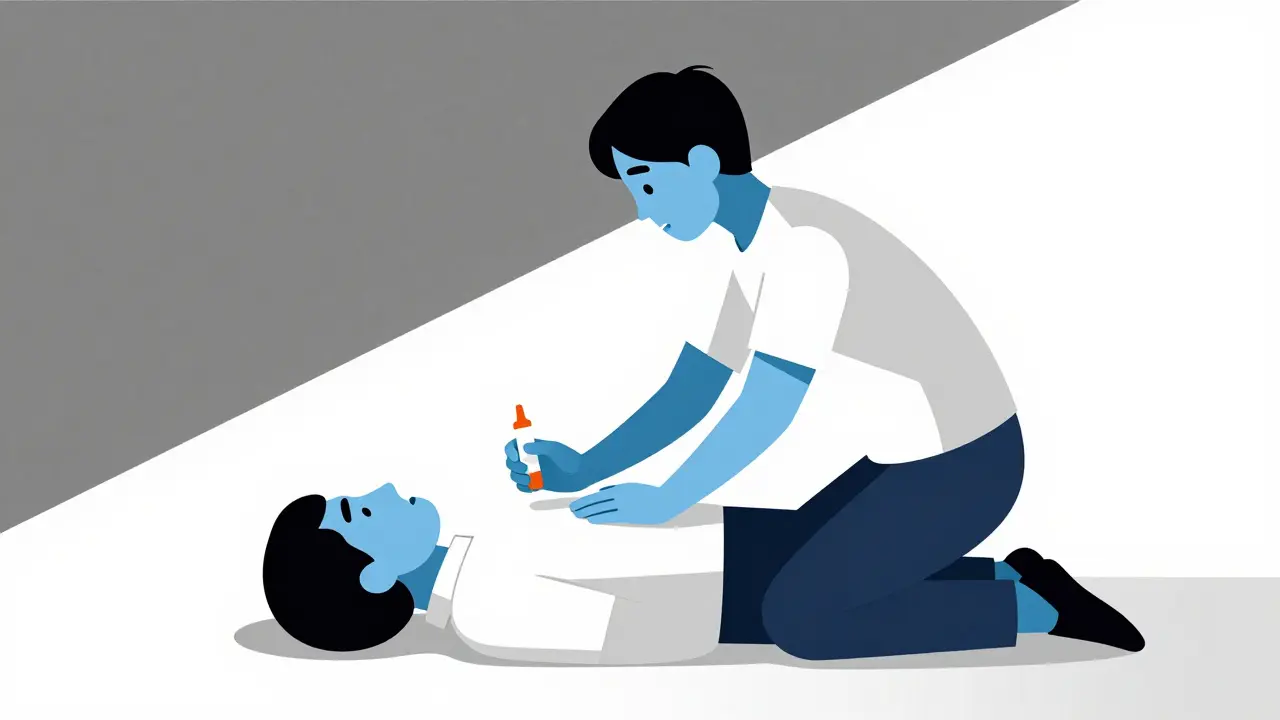
Learn how to recognize opioid overdose symptoms and use naloxone to reverse it. Fentanyl is the biggest threat today-know the signs, act fast, and save a life. Naloxone works. You don't need to be a doctor to use it.
Continue Reading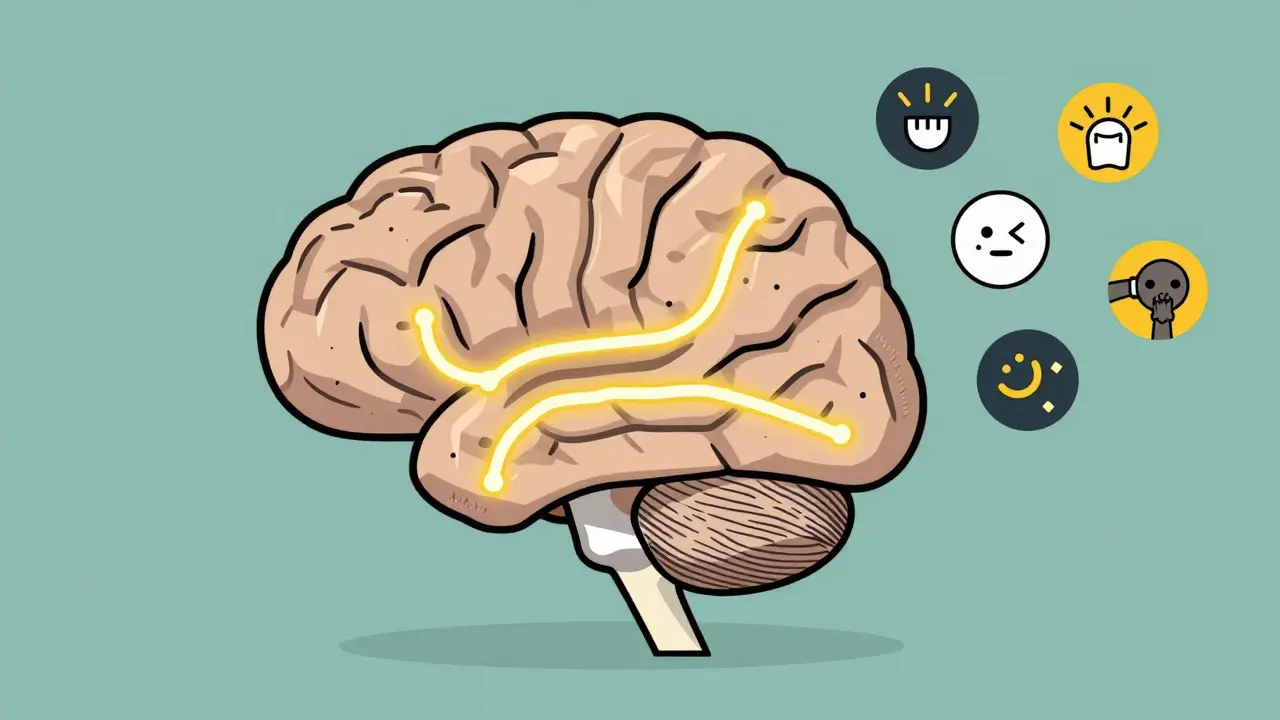
SSRIs are the most common antidepressants, but side effects like sexual dysfunction, weight gain, nausea, and insomnia affect most users. This guide breaks down what’s mild, what’s serious, and what you can actually do about it.
Continue Reading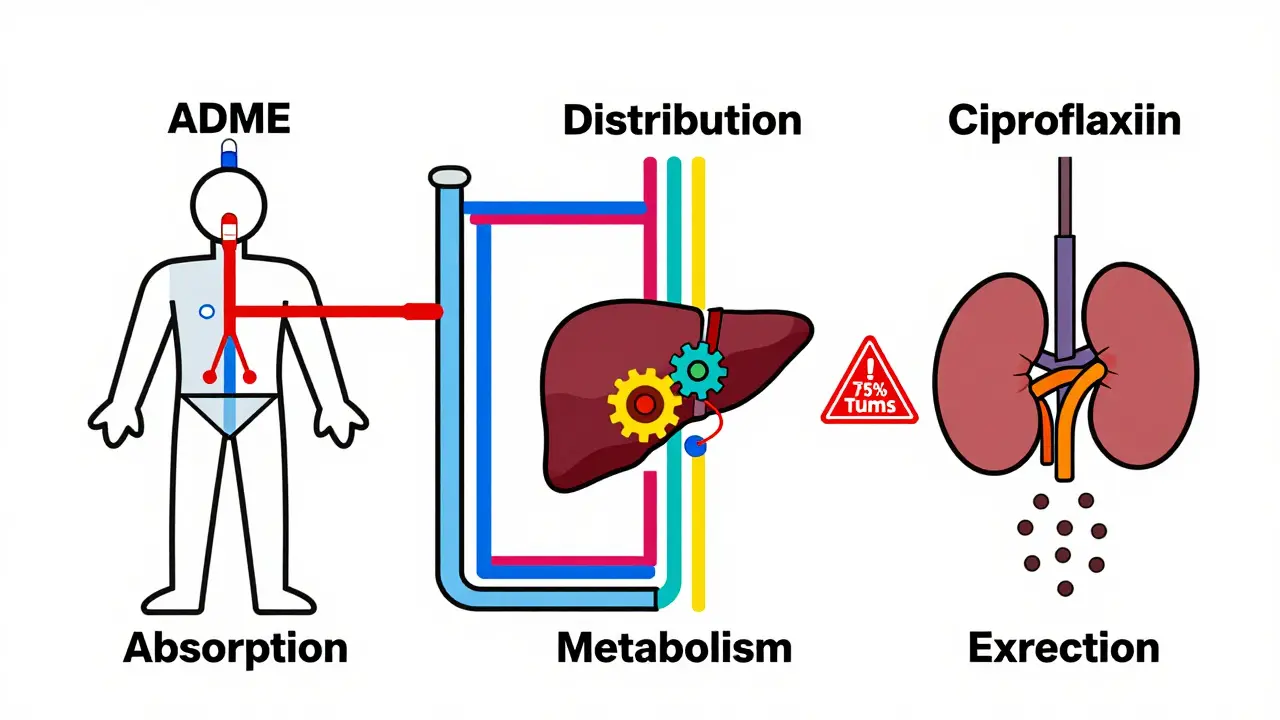
Learn how pharmacokinetic and pharmacodynamic drug interactions differ, why they matter for safety, and what you can do to avoid dangerous side effects when taking multiple medications.
Continue Reading
Post-menopausal women face unique medication risks due to hormonal shifts and polypharmacy. Learn how to reduce drug-related harm, recognize dangerous interactions, and make safer choices with hormone therapy and non-hormonal alternatives.
Continue Reading
Learn how to safely prepare unused medications for take-back events to prevent misuse, protect the environment, and comply with national disposal guidelines. Follow simple steps to ensure your pills, patches, and liquids are disposed of correctly.
Continue Reading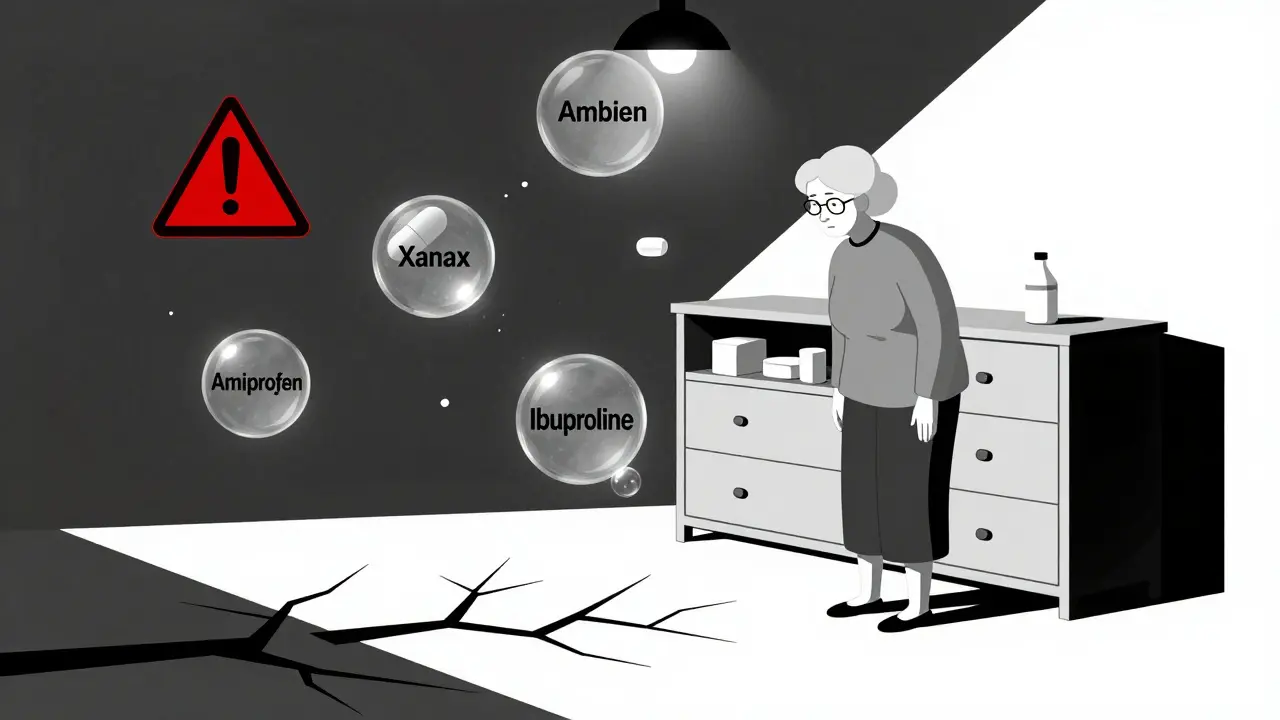
Falls are the leading cause of injury in older adults, and many are linked to common medications. Learn which drugs increase fall risk - from antidepressants to sleep aids - and how to reduce danger without sacrificing health.
Continue Reading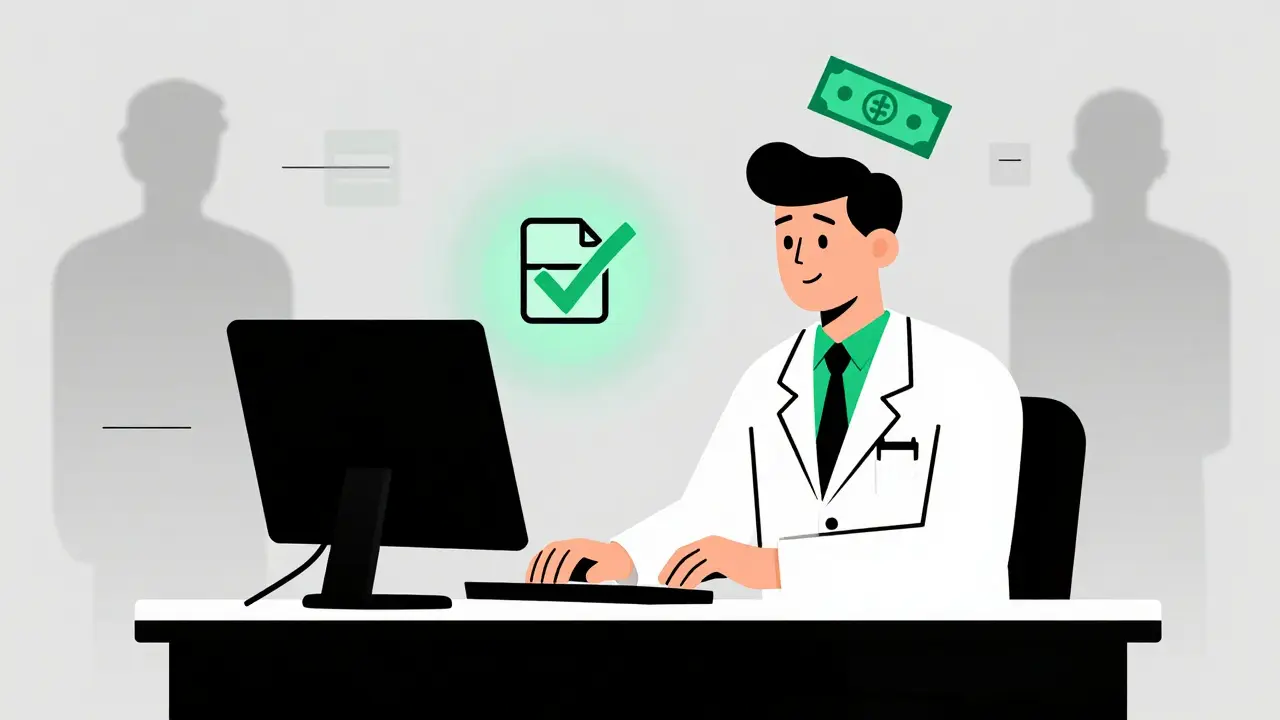
Generic prescribing incentives reward doctors for choosing cheaper generic drugs, saving billions in healthcare costs. But while they work well for simple conditions, they can create risks for complex cases - and some providers feel pressured. Here’s how the system really works - and what it means for you.
Continue Reading