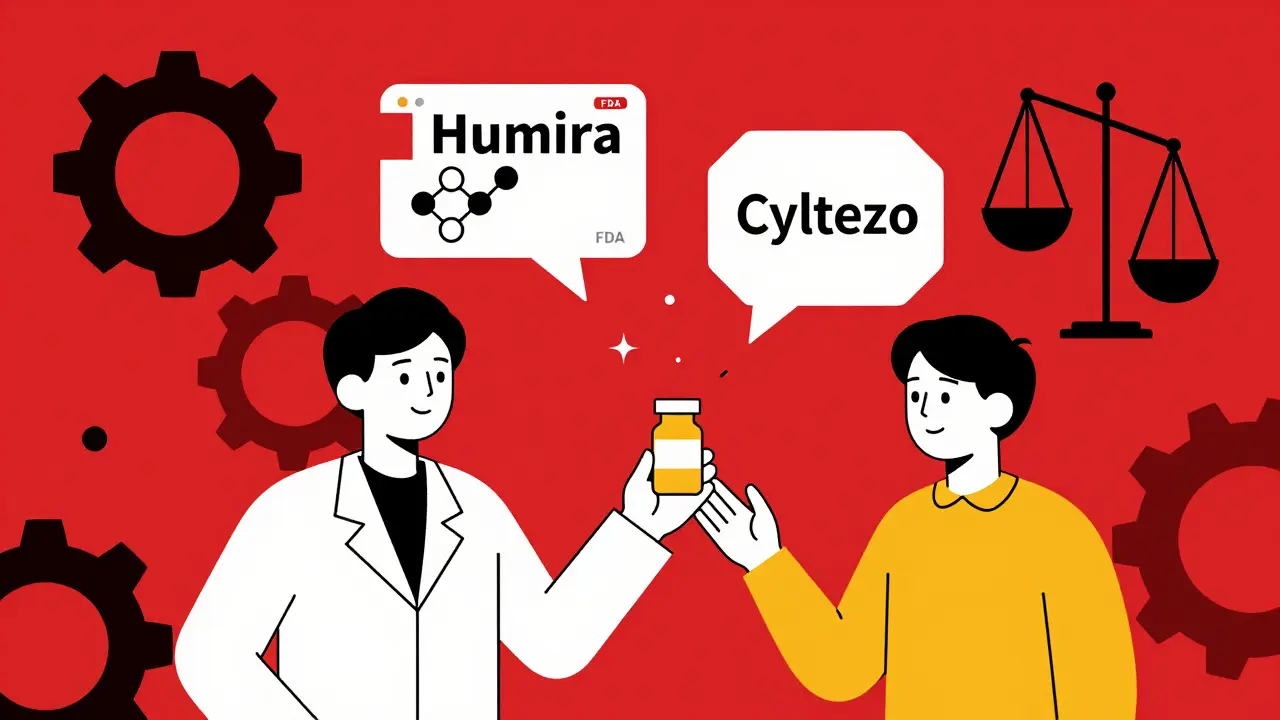
In the U.S., only certain biosimilars are designated as interchangeable by the FDA, allowing pharmacists to swap them for brand-name biologics without a doctor’s approval. Learn how it works, which ones qualify, and why state laws make it complicated.
Continue Reading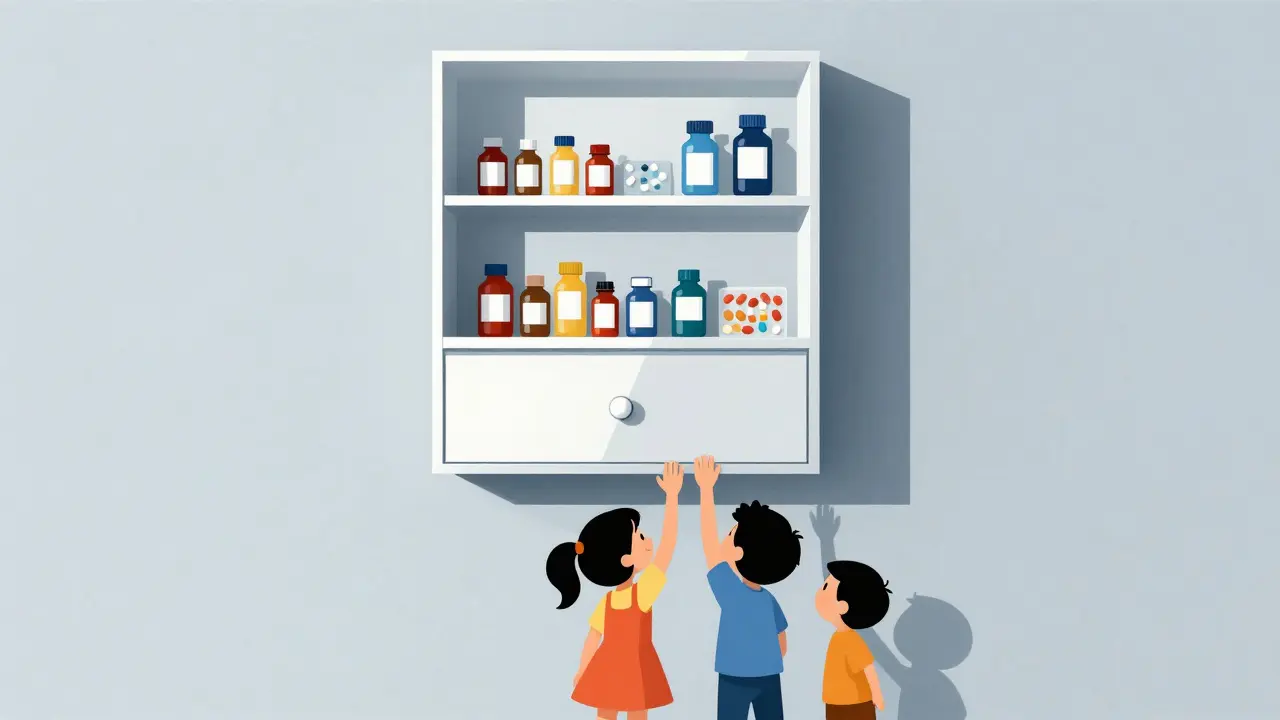
Learn how to build a safe OTC medicine cabinet for your family - with expert tips on storage, locking, organizing, and disposing of meds to prevent accidental poisoning and misuse by kids and teens.
Continue Reading
Learn how to safely dispose of old medications while protecting your personal health data. Follow simple, proven steps to prevent identity theft and keep your information private.
Continue Reading
Hormone Replacement Therapy can effectively relieve menopause symptoms and protect bone health-but only if started early and used correctly. Learn the real benefits, risks, and monitoring steps for safe, effective use.
Continue Reading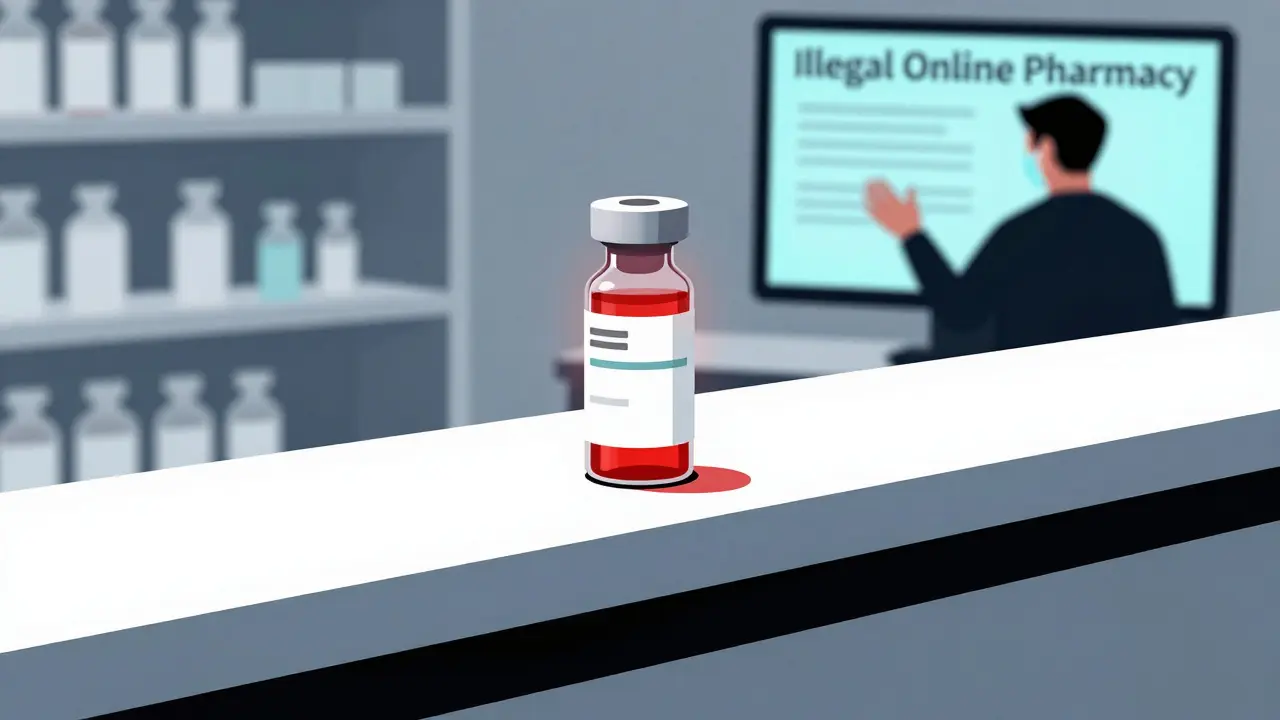
Counterfeit medications are a global health threat, killing tens of thousands yearly. Learn how to spot fake pills, avoid dangerous online pharmacies, and protect yourself from life-threatening fakes.
Continue Reading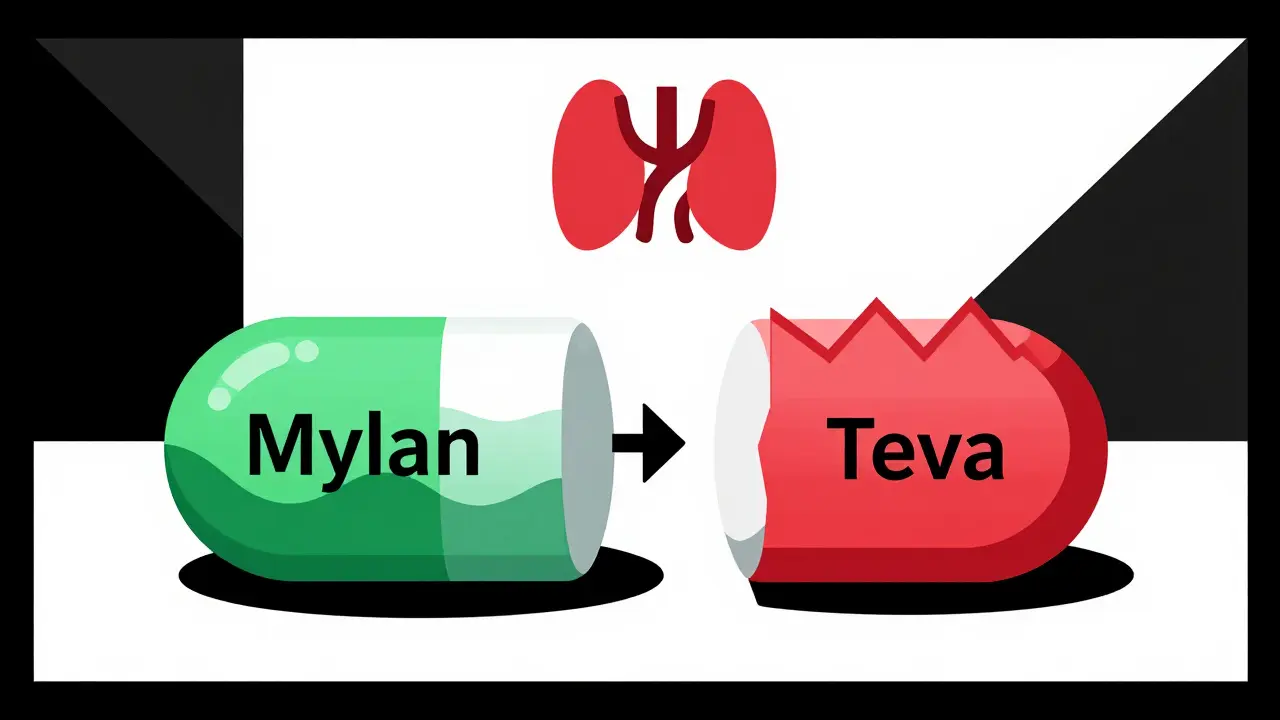
Switching between generic levothyroxine products doesn't require routine TSH monitoring for most people, but high-risk groups like thyroid cancer survivors and pregnant women still need checks. Learn who should test and why.
Continue Reading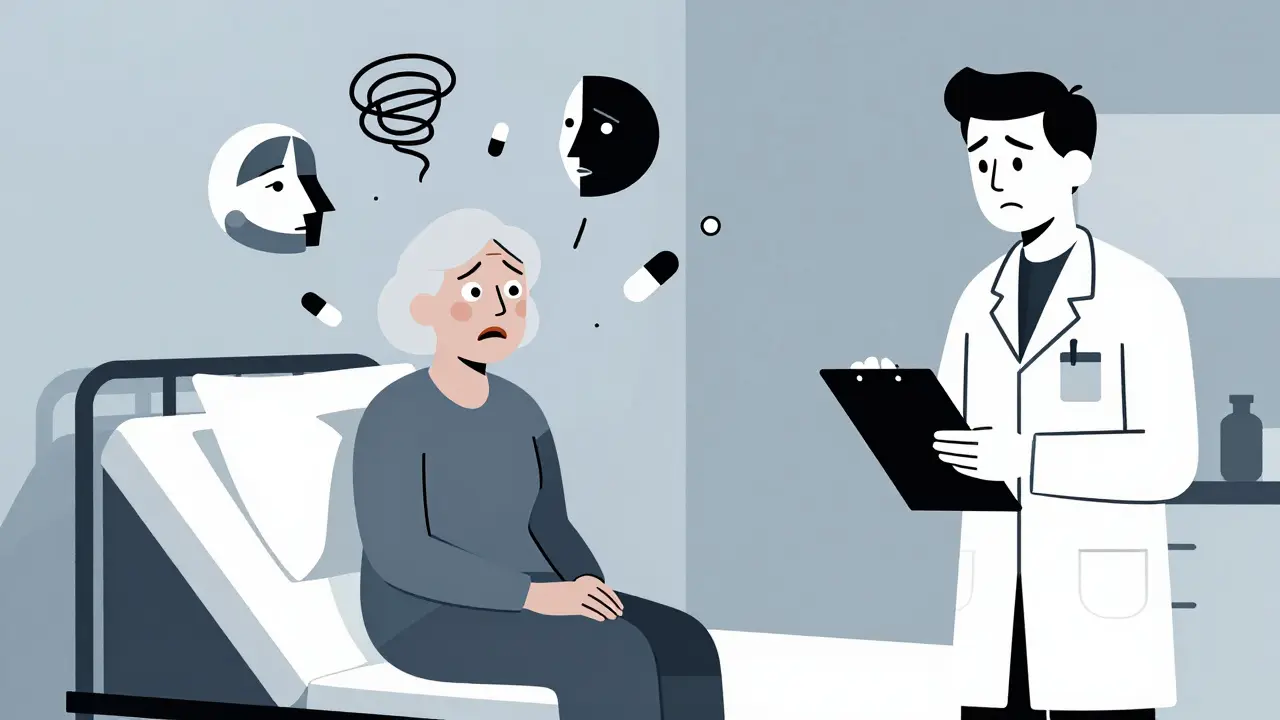
Fluoroquinolones like levofloxacin can trigger sudden confusion and hallucinations in older adults. Learn why this happens, who's at risk, and what safer alternatives exist.
Continue Reading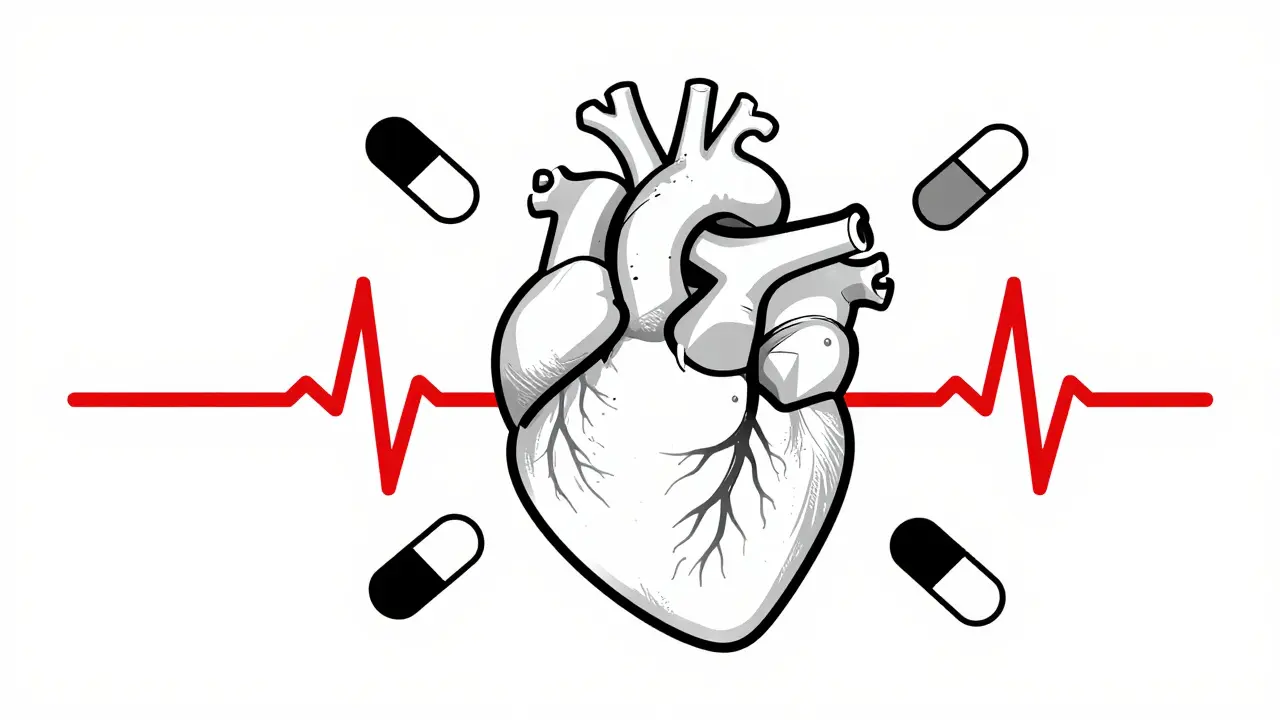
Methadone can prolong the QT interval and trigger deadly heart rhythms, especially when combined with CYP3A4 or CYP2B6 inhibitors. Learn how drug interactions, electrolytes, and genetics increase cardiac risk-and what clinicians must do to prevent sudden death.
Continue Reading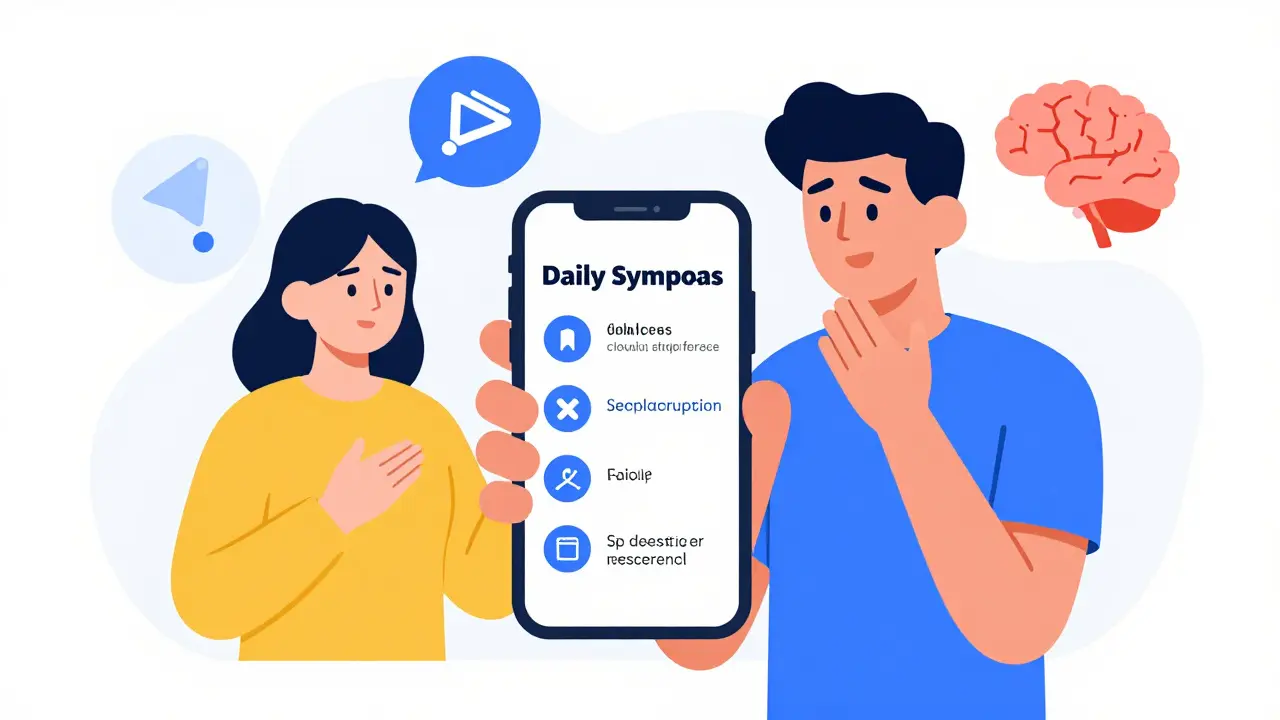
Your daily feedback on how a drug affects you isn't just personal-it's vital data that helps regulators and companies spot hidden risks and improve treatments. Patient-Reported Outcomes are transforming drug safety from the ground up.
Continue Reading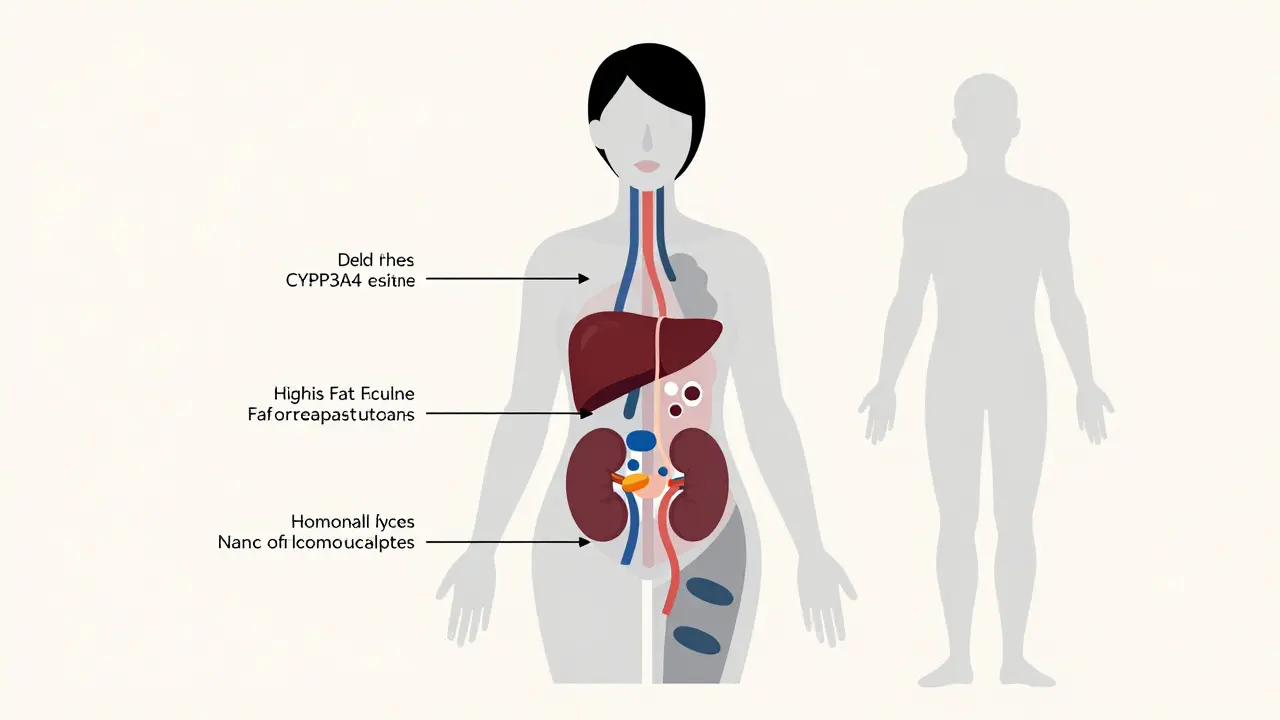
Women experience adverse drug reactions nearly twice as often as men due to biological differences and outdated clinical trial practices. Learn why common medications affect women differently and what’s being done to fix it.
Continue Reading
Combining NSAIDs like ibuprofen or naproxen with blood thinners greatly increases the risk of dangerous internal bleeding. Learn which painkillers are safe, what to avoid, and how to manage pain without risking your life.
Continue Reading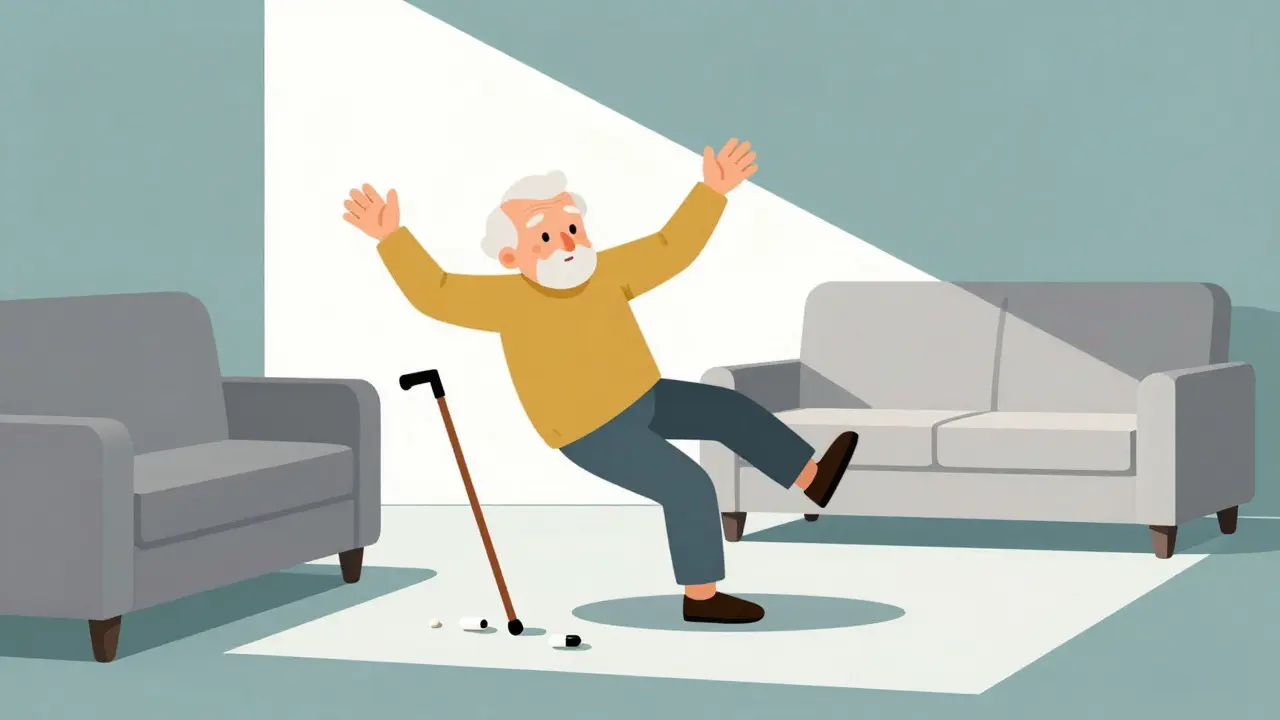
Opioids in older adults increase fall risk, cause delirium, and require lower doses due to age-related changes in metabolism. Learn why standard prescriptions can be dangerous and how safer pain management is possible.
Continue Reading